case studies
6 Alternative Packaging Tips to Help You Be More Sustainable
@bysilviahu
Have you ever received a package and noticed there was just too much packaging?
Being mindful of packaging is not just the right thing to do for the environment, it’s popular among consumers, too.
Consumer shopping behavior is increasingly online, in tandem with an escalating conversation about the importance of combating climate change.
Luckily, innovations in packaging can provide alternatives to plastics and other high-environmental impact materials to those businesses seeking to lessen their eco-footprint.
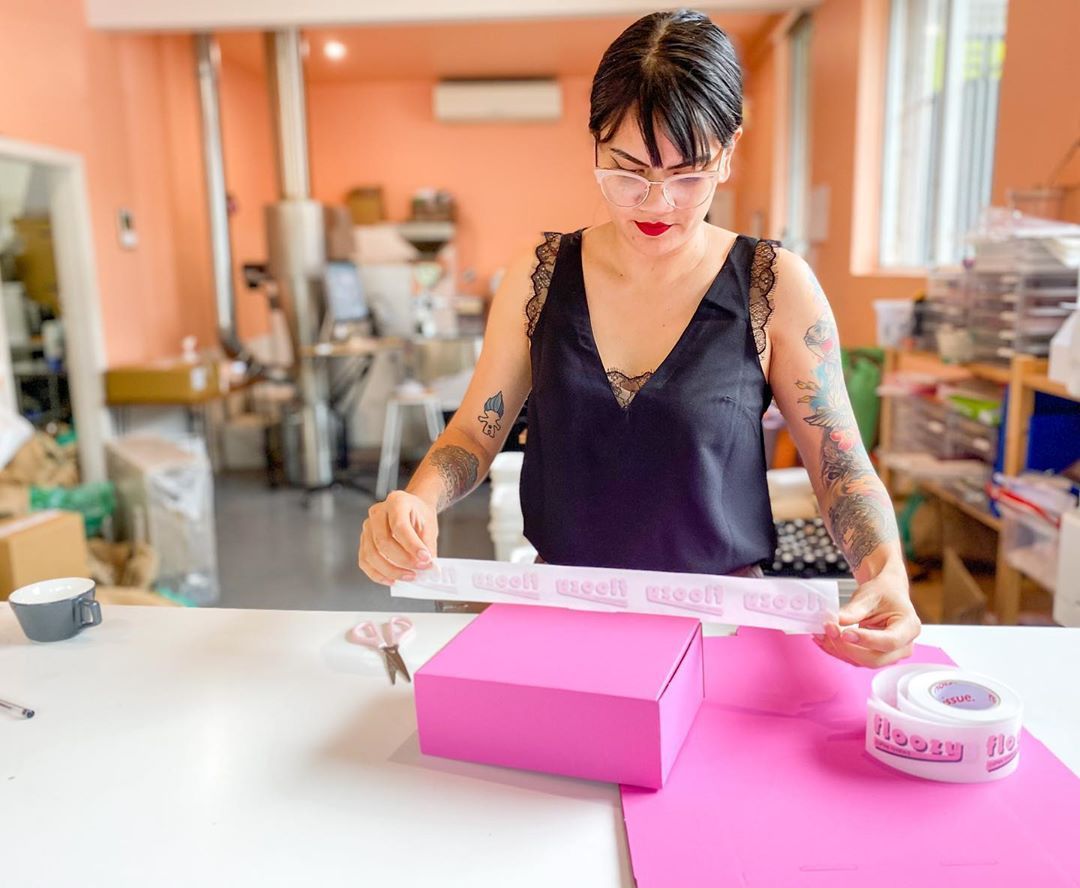
1. Assess your packaging practices
@floozycoffee
From there, evaluate the eco-friendliness of the materials that you’re using. To be considered sustainable, packaging should meet a number of criteria, including, but not limited to:
If you find that your current packaging practices aren’t up to par, start taking steps to correct course — below are some steps to help you do just that!
2. Opt for materials that give plastics a second life
Plastic is a major culprit in pollution, both in our oceans and in landfills. With more than 380 million tons of plastic produced every year, to say there is a lot of plastic in the world is an understatement.
@endofjunevintage
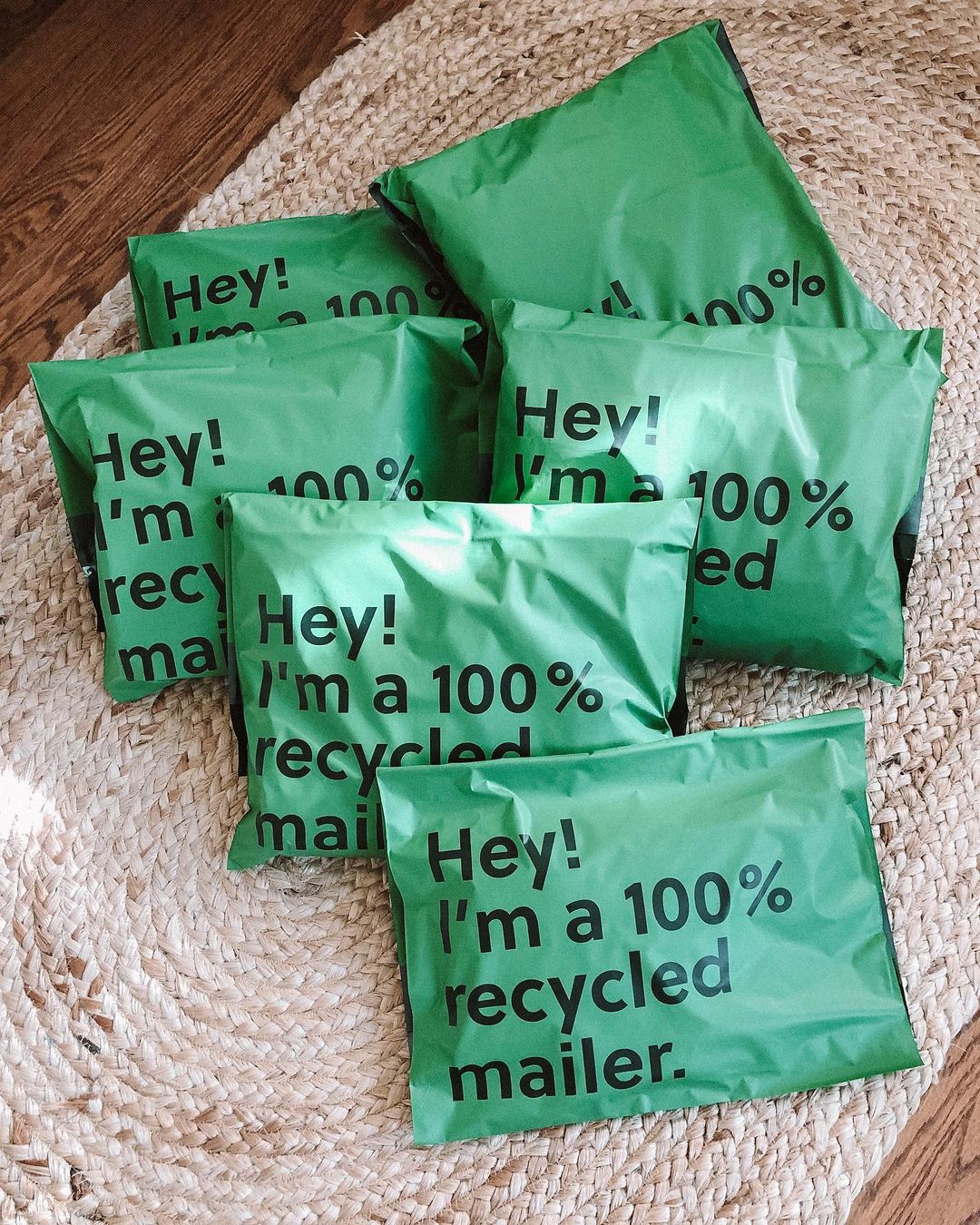
With this amount of plastic circulating, there is an opportunity to give plastic a second life. Products such as recycled mailers offer an eco-conscious and affordable option for retailers to ship and customers to either reuse or recycle again wherever soft plastics are accepted.
3. Leverage corn plastics as an alternative packaging material
Companies looking to reduce their eco-footprint in ecommerce should have a variety of alternative packaging options to suit the shipping needs of their products in an eco-conscious way.
While there are some drawbacks to this material, this alternative packaging option is seen as less damaging to the environment than traditional plastics.
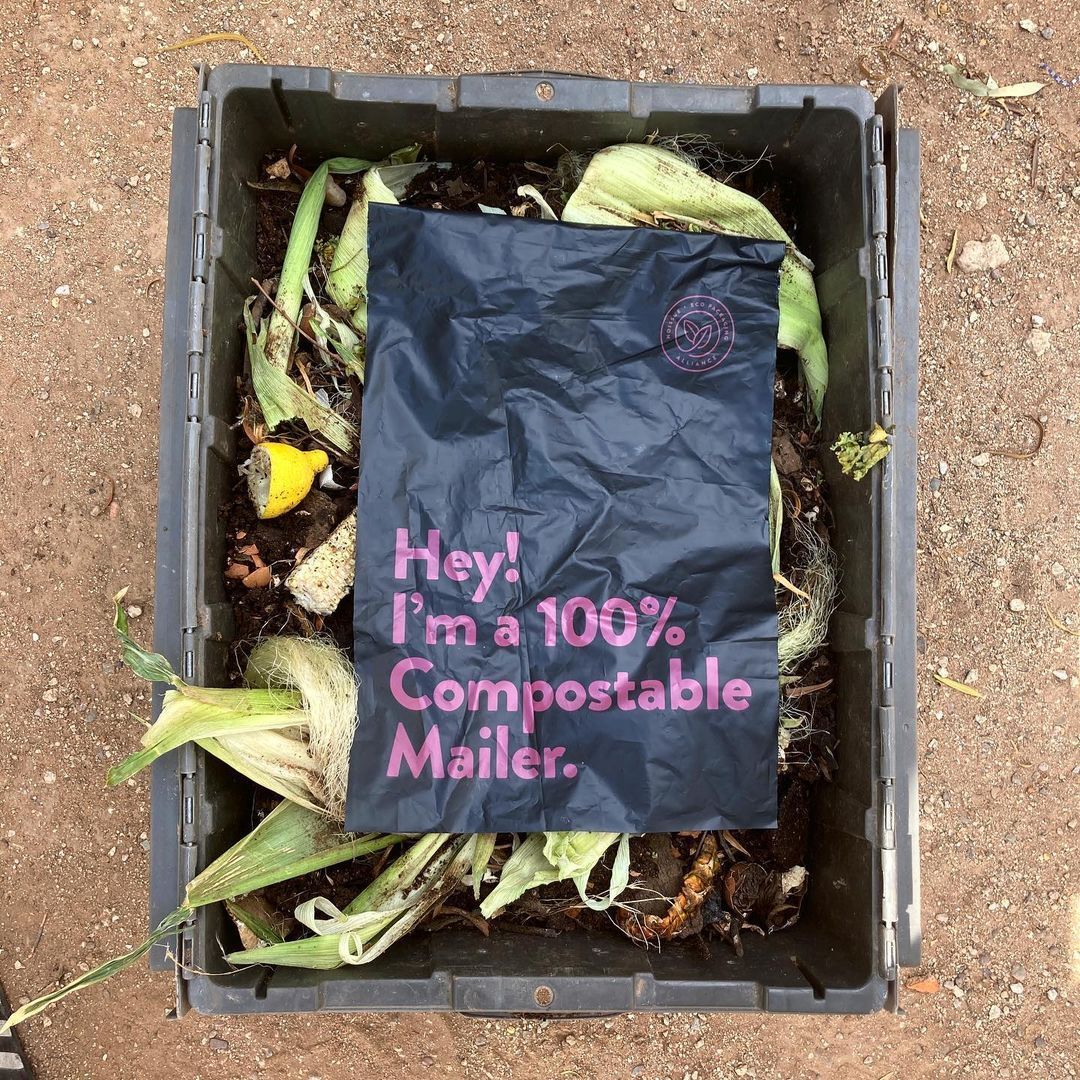
One such option includes compostable mailers which are ideal for soft items such as clothing, or other items that are not fragile.
@creamforever
Compostable mailers are similar to recycled plastic mailers in their function, but their disposal does differ. While recycled plastic mailers can be recycled again, packaging made from corn plastic is compostable.
4. Use recyclable and compostable paper packaging
Many items can be shipped in soft plastic bags, but there will always be a need for cardboard.
Cardboard can be recycled multiple times, after which it is compostable, and many recycled paper products can be turned into Kraft paper mailers and even eco-friendly packaging tape
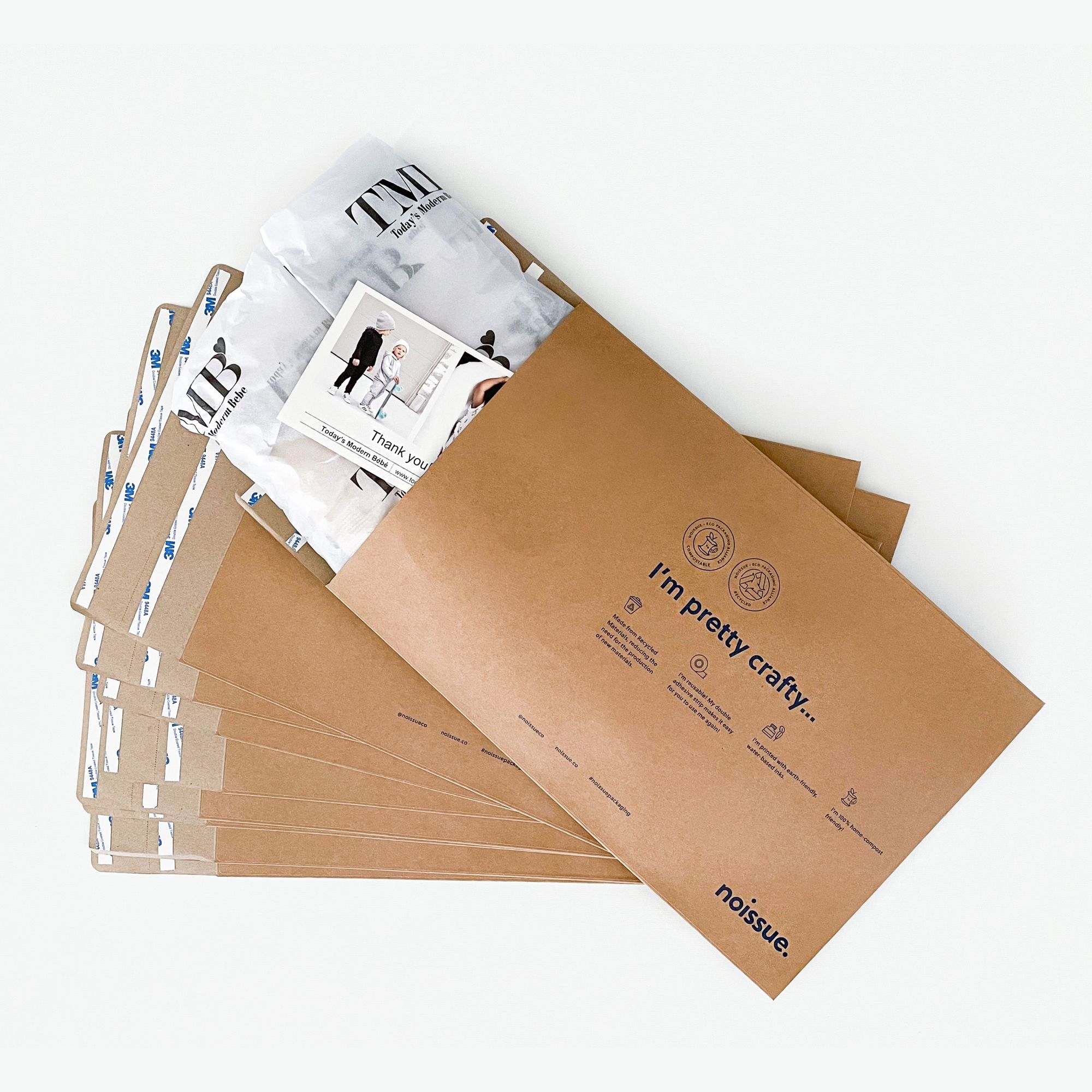
@todaysmodernbebe
Paper products that have been recycled multiple times and are able to be composted should also meet some criteria to be truly eco-friendly.
Criteria such as making sure the paper is acid-free, and not treated with harmful chemicals, like lignin and sulfur, will ensure the paper can be safely composted.
5. Don’t forget about packaging fillers
Styrofoam peanuts and inserts are wasteful and a nuisance for consumers to dispose of. These options are far from eco-friendly and have a variety of alternatives.
One example is starch-based packing peanuts. They look and function similarly to their styrofoam counterparts, but a key difference is they’re made out of crop-based sources and they’re non-toxic. Starch peanuts dissolve in water and don’t leave any waste.
Another viable packaging filler alternative is mushroom packaging. A mushroom’s root system, called mycelium, is grown, harvested, and baked into a mold which forms protective cushioning inside boxes.
This alternative packaging is one of the most sustainable and eco-friendly options and can be used as a replacement for bubble wrap, styrofoam, and other plastic fillers.
6. Make sure your packaging is sustainably sourced and clearly labeled
When sending out eco-friendly packages, don’t forget to clearly state how to best reuse or dispose of the packaging materials.
Consumers are often unsure how to recycle packaging materials and improper disposal leads to unnecessary landfill use or recycling rejection because of contamination.
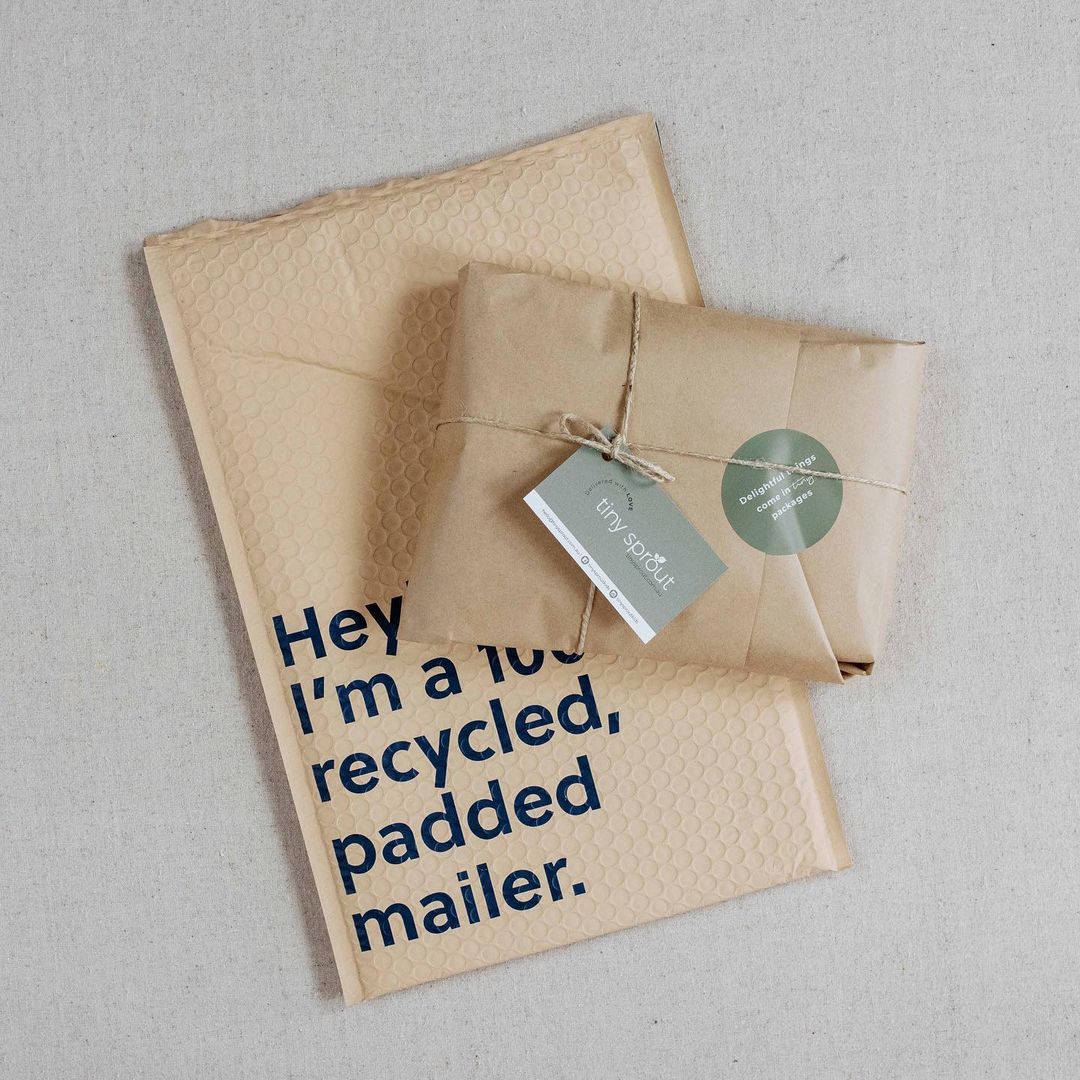
@tinysproutkids
Whether the material is reusable, recyclable, or compostable, clear labelling will help the customer do the right thing after they receive their shipment.
💡 Pro tip: tendlyn’s packaging is clearly labelled on the exterior as Recyclable or Compostable to avoid any confusion once it reaches the end user’s hands.
The business case for sustainability ♻️
Practicing sustainability requires careful thought, and for some companies, an overhaul of their production and shipping practices.
While this may be a costly change, wasteful practices and product use come with business and environmental costs that cannot be overlooked.
Among other costs of wasteful practices, disposing of waste in landfills is costly. And as environmental awareness grows, consumers are scrutinizing the production and shipping practices of the places they shop.
Exorbitant waste and harmful materials don’t just damage the environment, they damage reputations as well.
Reducing waste by using biodegradable and recyclable plastic alternatives with minimal packaging is undoubtedly good for the environment, and the bottom line.
The business case for sustainability has never been clearer, or more urgent.