case studies
Are Coffee Filters Compostable? All Your Coffee Packaging Questions, Answered
Most people can’t start their day without a cup of coffee. ☕
Whether you drink it black, with cream and sugar, or flavored, coffee is a part of our daily routines. We rely on it to help us wake up and get going.
But as coffee machines have become more popular and more sophisticated and coffee shops with takeaway cups have popped up everywhere, there’s been a significant increase in the amount of coffee packaging waste that’s produced.
That’s why we’re here to answer your questions about coffee packaging and how it impacts the environment.
Sustainability and waste in the coffee industry in 2022
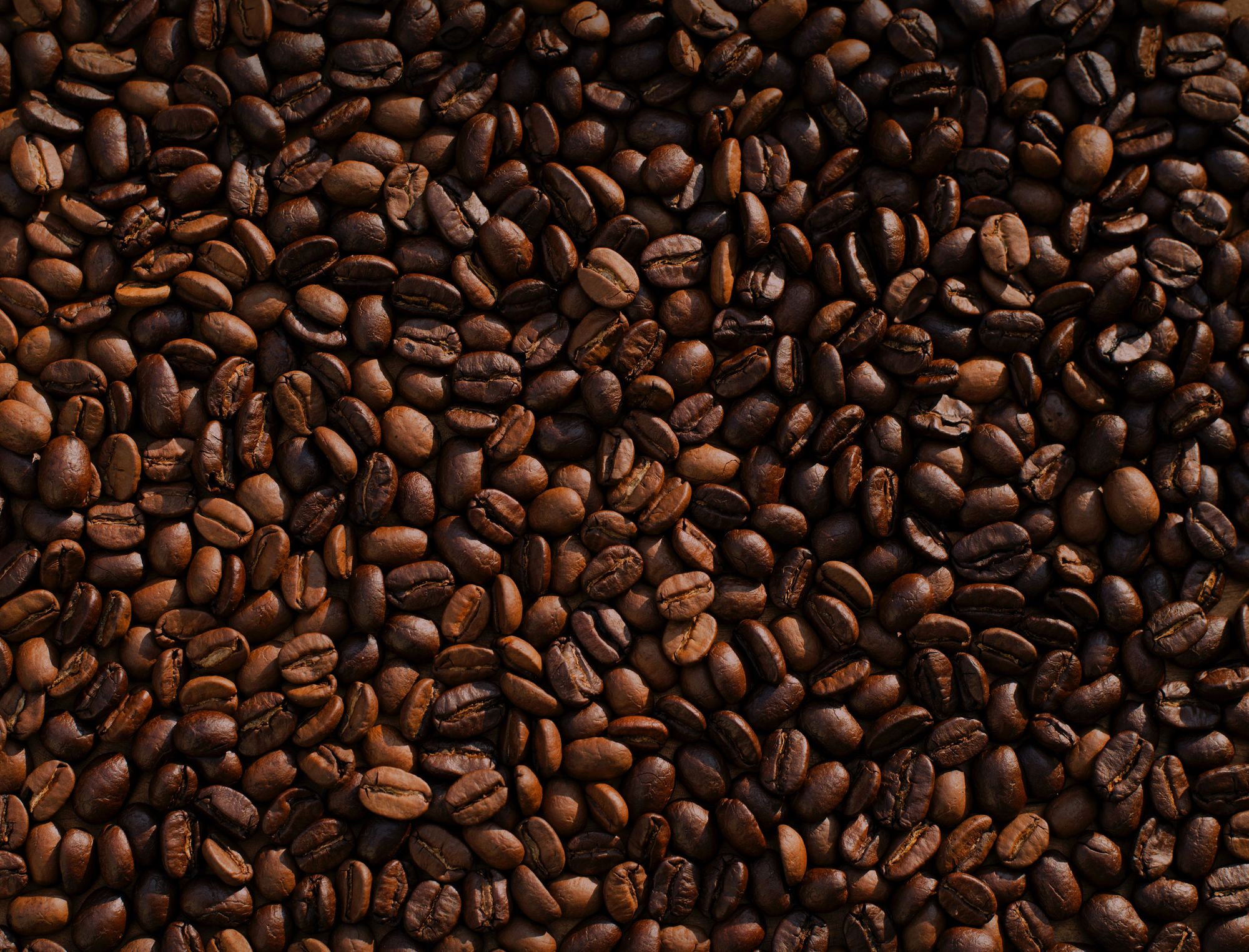
The coffee industry is facing a number of challenges when it comes to sustainability and waste. In 2022, the industry will need to grapple with the following:
These are just a few sustainability issues the coffee industry will need to address in the coming years. And while there are no easy answers, we believe that it’s possible to make progress in the right direction.
Is coffee packaging sustainable?
The short answer is not always. The coffee industry produces a significant amount of waste, a lot of which is not recyclable.
Coffee packaging is made up of a variety of materials, including paper, plastic, foil, and metal. And often, these materials are combined in such a way that makes them impossible to separate and so difficult to recycle.
Coffee is tricky to package because of the nature of the product.
But, as always, when there are sustainability challenges, companies like us here at tendlyn are also working on innovative solutions that could help make coffee packaging more sustainable in the near future.
Are coffee filters compostable?
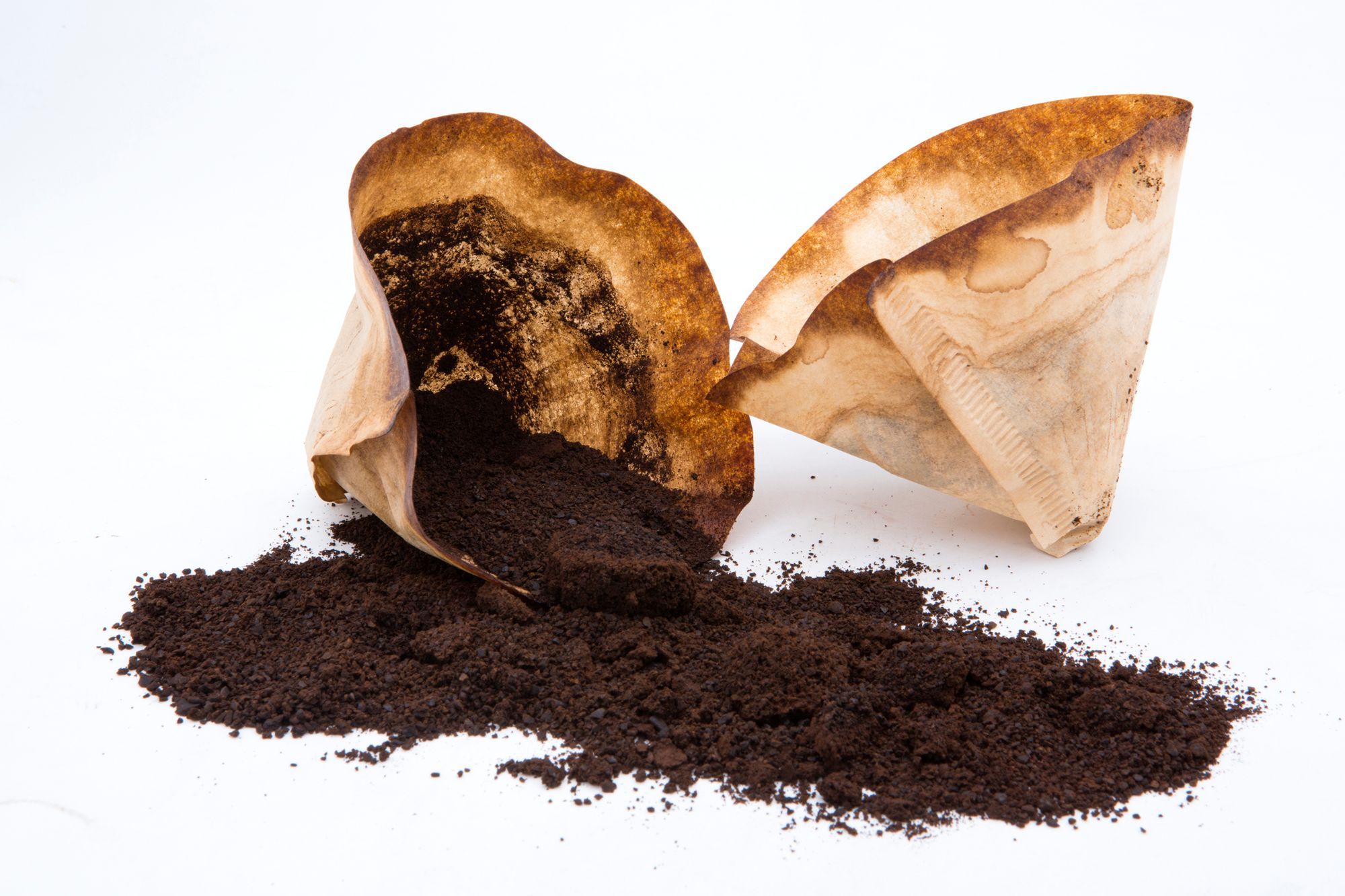
Coffee filters are made of paper, so they are technically compostable. However, some coffee filters contain a small amount of plastic used to bind the paper fibers together, making it difficult to decompose in a home composting system.
Additionally, many coffee filters are bleached with chlorine, which can release harmful chemicals into the environment when they break down.
For these reasons, it’s best to check with your local facility to see if they accept coffee filters before taking them in for composting if you use a community composting system.
If you want to be sure that your coffee filters are a sustainable option, make sure you look at the materials that they’re made of and check that they are certified compostable.
Are coffee grounds compostable?
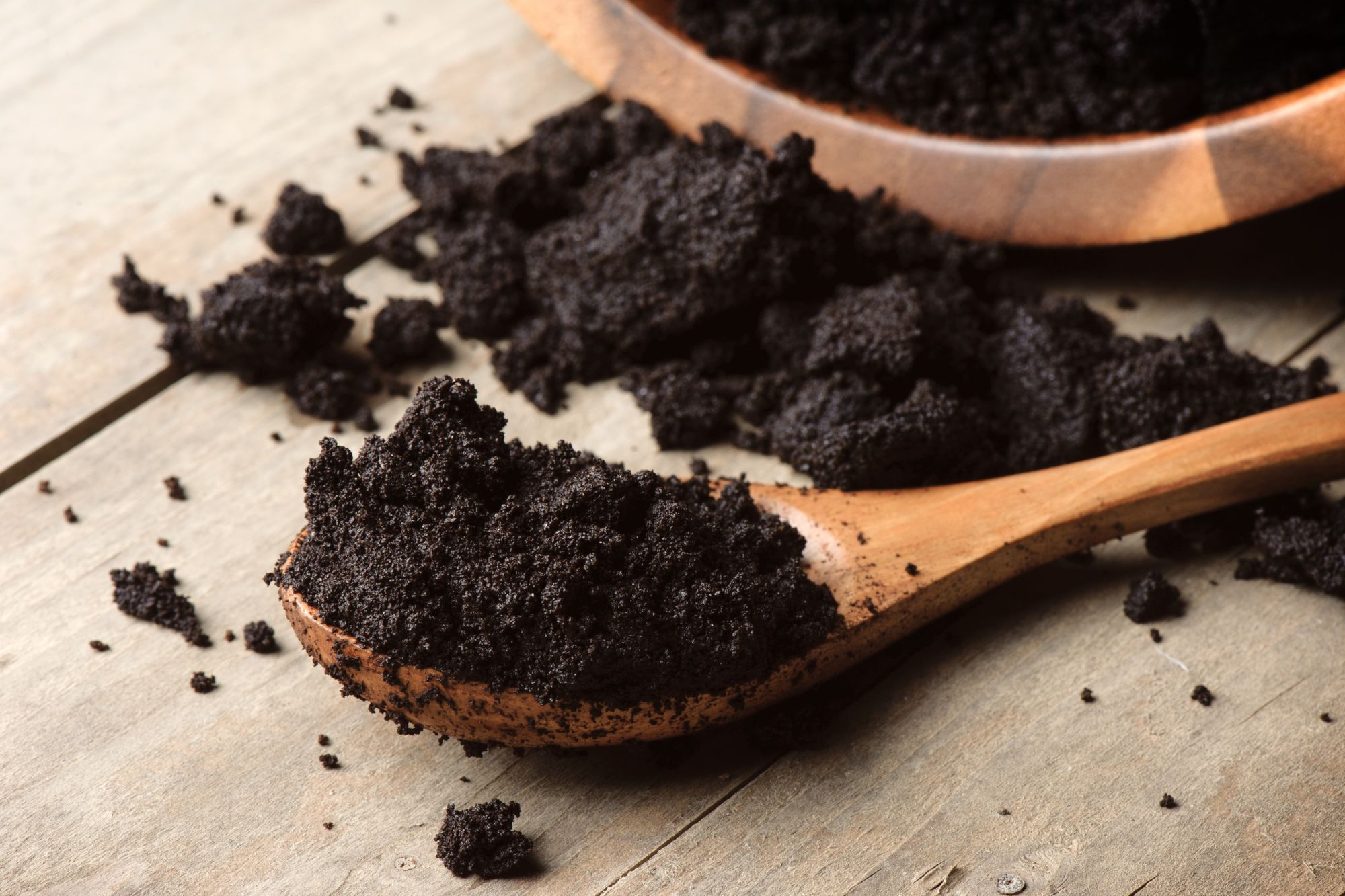
Not only are coffee grounds compostable, but they’ve also been used as fertilizer for house plants for many years.
Coffee grounds contain nitrogen, potassium, and phosphorus, all essential plant nutrients. They also help to aerate the soil and can improve drainage.
If you have a garden or potted plants in your home, you can add coffee grounds directly to the soil. Or, if you don’t have a garden, you can definitely compost it in your home or community composting system.
Are coffee cups compostable?

This question seems like a critical one to ask, especially given the enormous piles of single-use coffee cups thrown out every single day in every single office worldwide!
As coffee machines and on-the-go coffee culture have become more popular, the demand for disposable coffee cups has increased.
The problem is that most disposable coffee cups are not compostable, and even the ones that are can only be composted in industrial composting facilities.
The vast majority of disposable coffee cups are made from paperboard that is coated with plastic or wax. This makes them water-resistant and prevents the coffee from seeping through, which of course, is necessary to avoid spillage, but it also makes them non-recyclable and non-compostable.
In recent years, some companies have started experimenting with different materials for disposable coffee cups, including bioplastics made from cornstarch or sugarcane. These are compostable in industrial composting facilities, but they still have a long way to go before they become the norm.
So, while compostable coffee cups are a step in the right direction, they are not yet a perfect solution.
How to make responsible decisions with coffee packaging

When it comes to coffee packaging, there are a few things that you can do to make more sustainable choices.
In the end, whether you have your coffee at home or on the go, start to become more aware of the packaging that it comes in, how you can reduce it, and how you’re going to dispose of it.
Every little bit counts!
Get started today with tendlyn’s coffee and roastery packaging

tendlyn’s Custom Coffee Bags can be composted or recycled after use
If you want to take your first steps towards more sustainable coffee packaging, tendlyn is here to help! We offer eco-friendly and commercially compostable coffee packaging options to fit your coffee needs.
You can also choose to have your coffee bags custom printed with your branding, and the 1-sided printing still leaves you space to pop a label on the other side with all the product information you need.
Wrapping It Up
By being curbside recyclable and commercially compostable once the tin ties are removed, these beautiful bags can be your first step towards having more sustainable coffee packaging solutions for your business. Get started today with eco-friendly roastery packaging and show your customers that you value the environment as much as you do a good cuppa!