case studies
Differences Between Recycled and Compostable Packaging
tendlyn compostable custom box by @kal_babies
Eco boxes, recyclable mailers, and other sustainable packing materials have become increasingly popular over the years. Businesses are increasingly looking to reduce the environmental impact of their packaging. Interestingly, the design phase for packaging determines 80% of that product’s environmental impact. That’s why understanding what constitutes sustainable packaging is more important than ever before.
There are two key types most people know about: recycled and compostable packaging. While often used to mean the same thing, there’s a huge difference between these two terms. As a business owner, choosing between them can feel daunting, but not if you have the right information on your side. Discover our breakdown of the key differences between recycled and compostable packaging to choose which sustainable packaging option is best for your business!
What is recycled packaging?
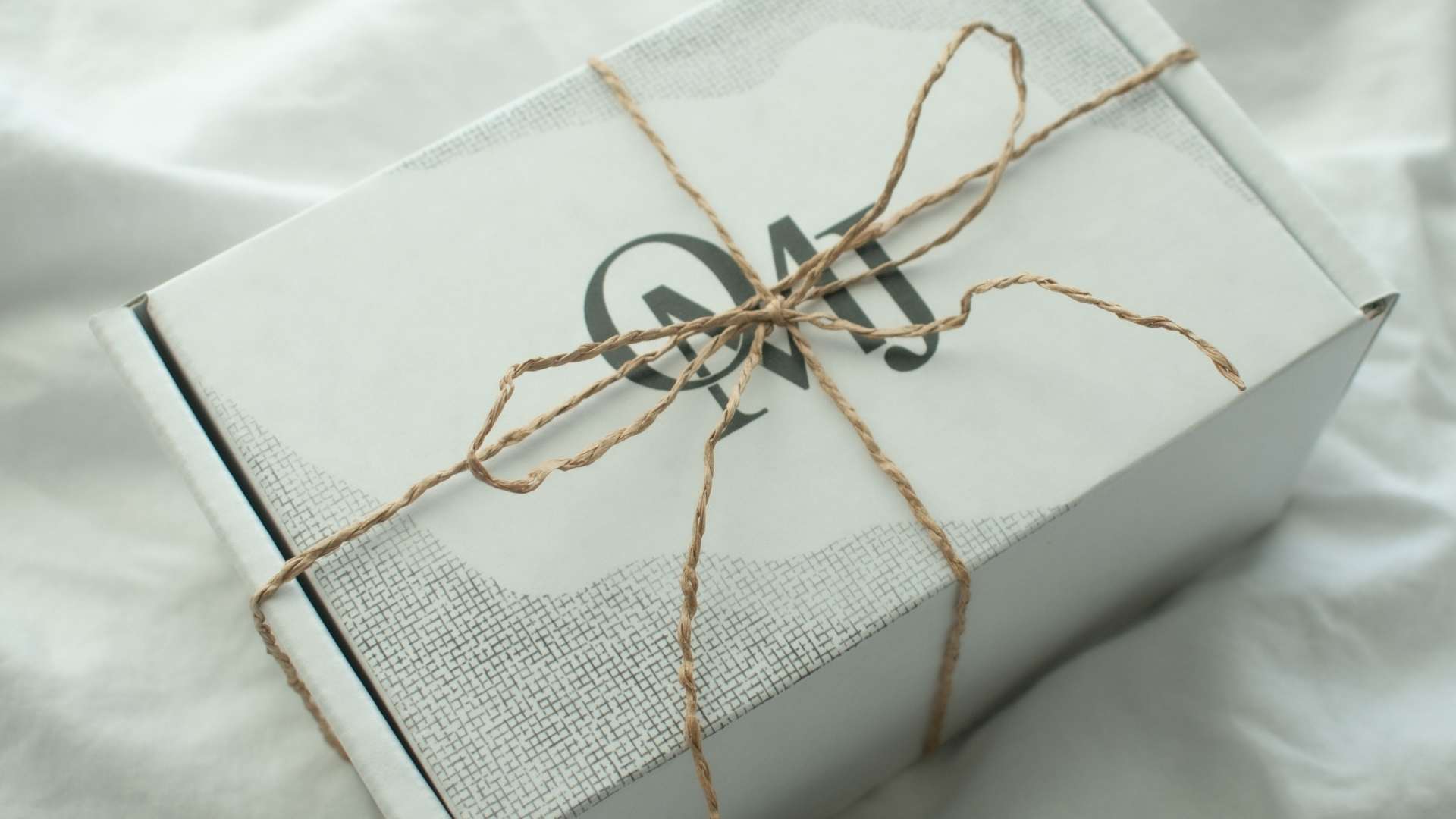
tendlyn’s custom compostable boxesby @omjcreates
Recycling is a familiar process for most people, whether for packaging or other materials. It recovers waste material to turn it into new products. Different kinds of packaging can be recycled, including metal and soda cans, plastic and glass bottles, newspapers, and paperboard cartons. Such materials are compounded and then ground into new cans, bottles, and papers. For instance, many paper-based products can be recycled four to five times before the strength of their fiber is lost.
As an example, recycled boxes reduce greenhouse emissions, lower the amount of energy required to make packaging, and significantly cut landfill space. However, one of the biggest challenges to recyclable packaging is making customers understand how such packaging can be recycled. According to experts, 75% of American waste is recyclable, but only 30%is actually recycled. Additionally, a shocking91%of plastic isn’t recycled at all.
How is compostable packaging different?
By contrast, composting is a process in which waste materials break down without leaving any toxic residue behind. Rather than reusing the material, compostable packaging is created to break down into natural, non-toxic elements. Composting happens best in an environment with high temperature, humidity, and the presence of bacteria or other microorganisms.
Organic materials like food waste are naturally compostable. However, other materials like bioplastics must adhere to certain specifications to be considered compostable. For instance, 90% of the material should decompose within 180 days, and the remaining should be below a certain level of ecotoxicity. Composting is often described as “adding nutrients to the soil,” which means the earth must be able to absorb that material for it to be compostable.
Composting can be done in two ways: at home or industrially. Home composting is when the waste can be composted at home. On the other hand, industrial composting is managed by a special facility with specific temperature conditions. As a business owner, the key is to help your customer do whichever works best for them.
Generally, compostable boxes are made of plant-based materials, particularly polymers derived from renewable resources like plant oils, fat oils, cellulose, and corn. While composting is a great avenue to sustainable packaging, a downside is that it’s not always as accessible as recycling. If you’re considering this for your business, look up community composting resources for your state or city to ensure your customers have somewhere to take their packaging.
Benefits of Eco-Friendly Packaging
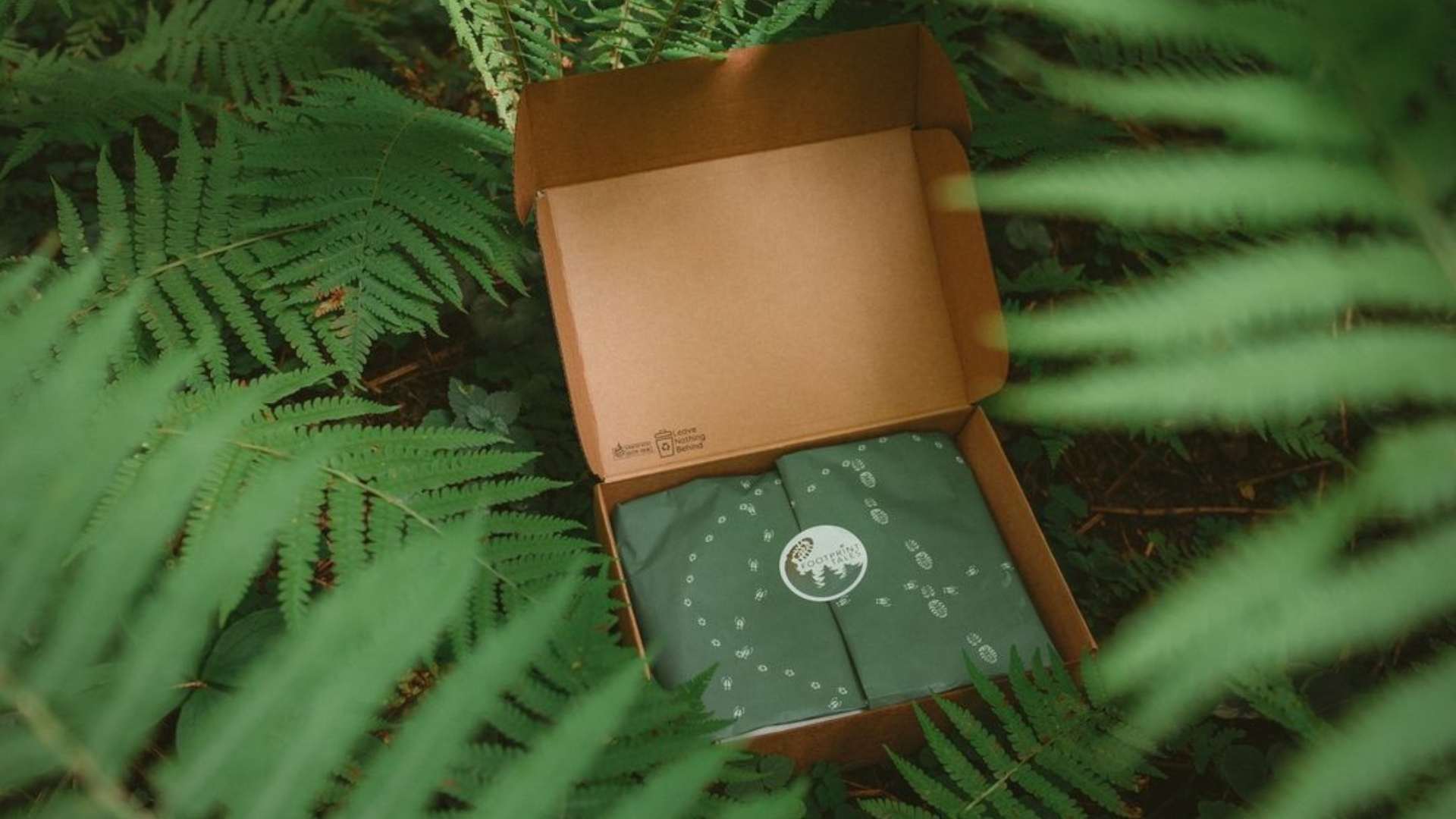
Both recyclable and compostable packaging fall under the umbrella of sustainable and circular packaging. There are many benefits to taking the plunge into the sustainable packaging world for your business:
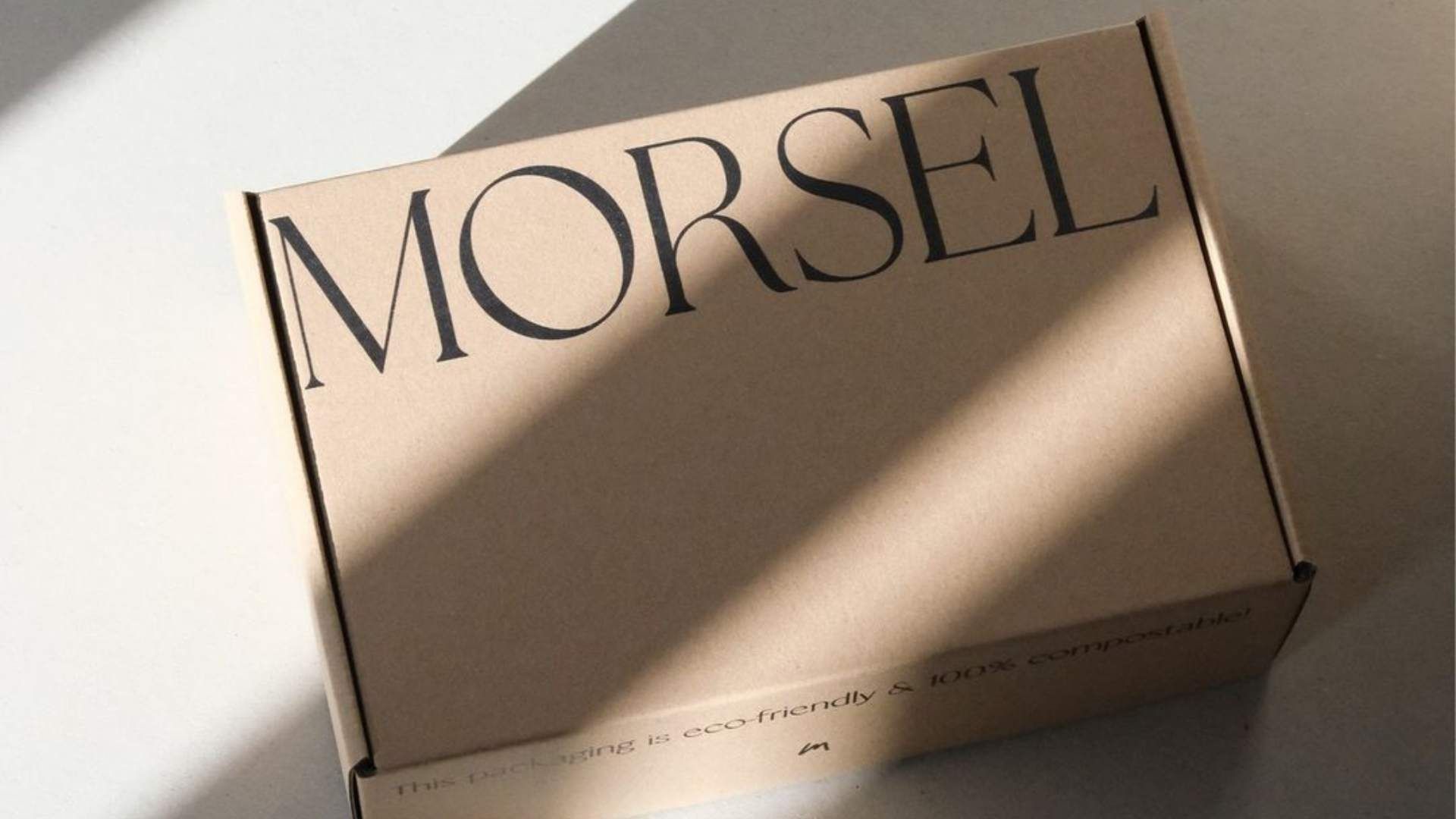
tendlyn’s compostable custom boxesby @morsel.store
The right choice between recyclable and compostable packing will depend on who you are as a business and what your customers want to see. Shoot for a familiar recyclable favorite or take things a step further with eco-packaging your customers can compost at home. So, what are you waiting for?
That’s a Wrap!
At tendlyn, we bring your brand to life through our unique, sustainable, custom-made boxes. Our custom mailer boxesprovide the ultimate unboxing experience. Made of FSC-approved materials and printed with sustainable compostable inks, tendlyn’s boxes are the perfect way to kickstart your sustainable packaging journey. Get in touch now and check out our offerings!