case studies
Four Sustainable Business Trends to Watch in 2021
It goes without saying that 2020 has been… different. The pandemic changed everything, and we’re not out of the woods yet. Vaccines offer hope, but I’m fairly sure 2021 will have a few tricks up its sleeve.
One thing’s for sure: when it comes to running a business, doing things sustainably is no longer a nice-to-have, it’s essential. So what does the next year hold for those of us wanting to have a positive impact?
Here are four sustainable business trends you can expect to see in 2021.
1. Real Climate Action
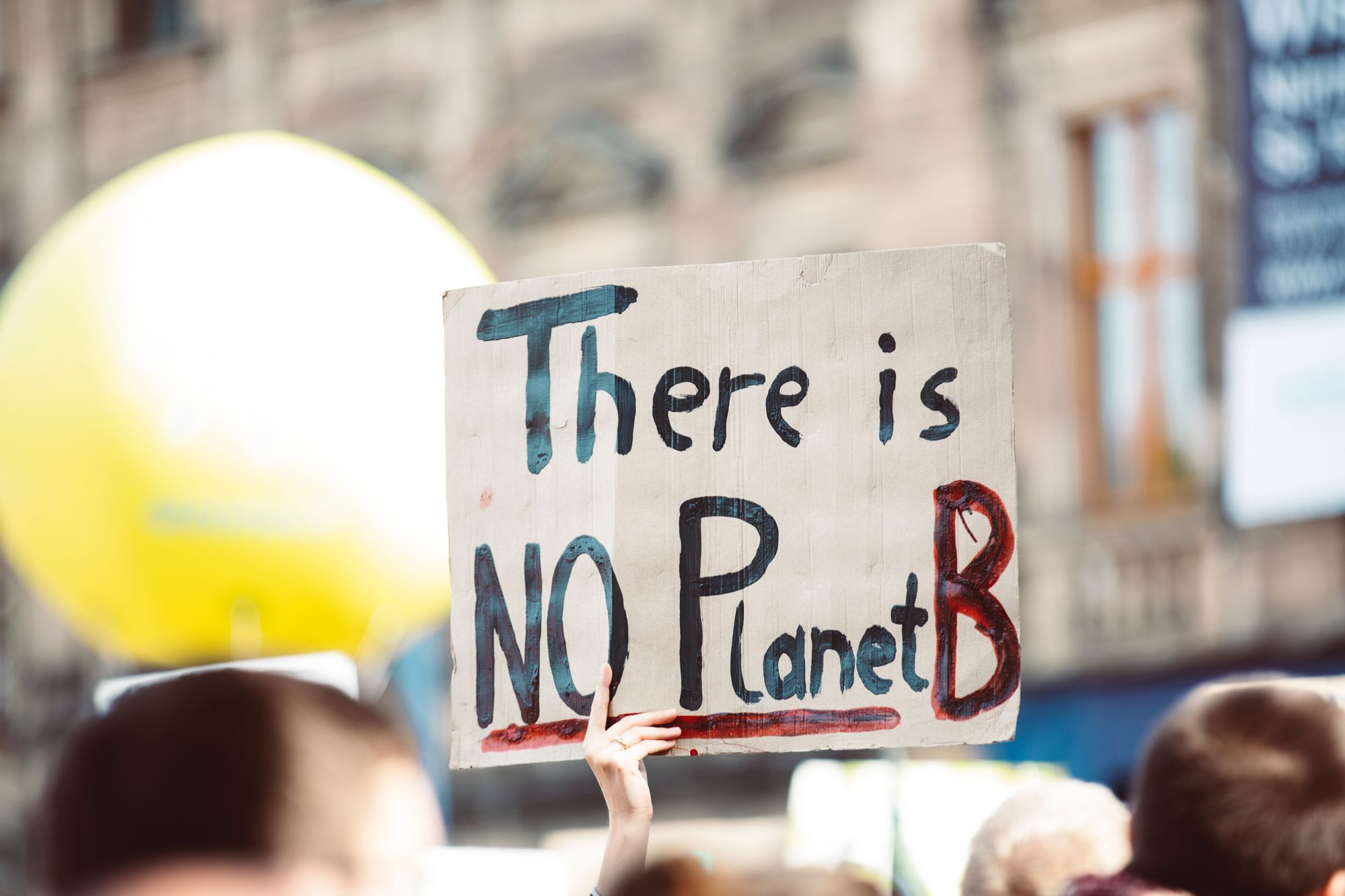
The Biden-Harris victory was a major win for our planet, as well as everyone on it. United States President-Elect Joe Biden has promised he’ll rejoin the Paris Agreement (the global climate treaty which President Trump infamously withdrew from) on his first day in the White House. This will give a much needed shot in the arm to international climate efforts, as the race to net zero begins.
And in November 2021, we’ll see the Covid-postponed COP26 climate conference taking place in Glasgow, United Kingdom. Expect this to be a major focus, as well as an energetic reunion for climate activists who were forced to pause due to 2020’s lockdowns.
In this swirling global context, businesses will need to step up or be left behind. Expect to see a huge surge in businesses setting science based carbon targets, getting to grips with carbon labelling and announcing real net zero plans. We’ll see more citizens calling out greenwashing, too.
As the general public get more and more engaged and informed, they’re expecting more from you. I’m afraid it’s not going to be enough to carry on as you are and just offset or plant a few trees on ‘Green Friday’. People are waking up for the need for bona fide carbon reductions – and calling out the trend for sketchy net zero commitments. Check out this article if you need a reminder of what we must achieve as a global community – it’s just about possible, but it’s not going to be easy. No matter the size of your business, do you have a good idea of the key sources of your carbon emissions? Hint: it’s likely to be in your supply chain. Do your homework, find experts to work with if necessary, and make sure that your carbon management programme is up to scratch. For instance, integrating an industrial smart automation system into your operations can help monitor energy use more precisely, while a relay power controller might assist in managing equipment loads efficiently. Even something as specific as a dc motor remote switch could reduce unnecessary power draw in factory settings.
Actions you can take:
2. Regenerative Business Models

We’re actually past the point where just being ‘sustainable’ is enough. We’re dangerously close to climate and ecological tipping points, and we need to get to the point of doing more good rather than stopping at less bad. In other words, we need to start being regenerative.
On a basic level as well as slowing and ideally stopping emissions, we need to start drawing down carbon dioxide out of the air, using nature-based solutions (not just forests, but biodiverse habitats and areas like peatlands) that contribute to the mass rewilding of our planet. And time is running out.
How can your business ensure it’s having an overall positive impact on our planet and society? Future Stewards have produced a great blog on this and have compiled a directory of partners to work with on your regenerative journey. For example, the craft beer renegades Brewdog have gone big, with plans to offset twice as much carbon as they emit each year, while reforesting a 2,050 acre piece of land they’ve bought in the Scottish Highlands. And Danone is working with regenerative agriculture principles in their supply chain to lock carbon away in the soil. This kind of radical thinking is what we need to see a lot more of. What can your business do? In agricultural settings, adopting something like Organic Farm Irrigation Control can reduce water waste and energy consumption, while a gate control relay might automate water flow based on soil moisture, aligning with regenerative practices.
Actions you can take:
3. Disruption in Packaging
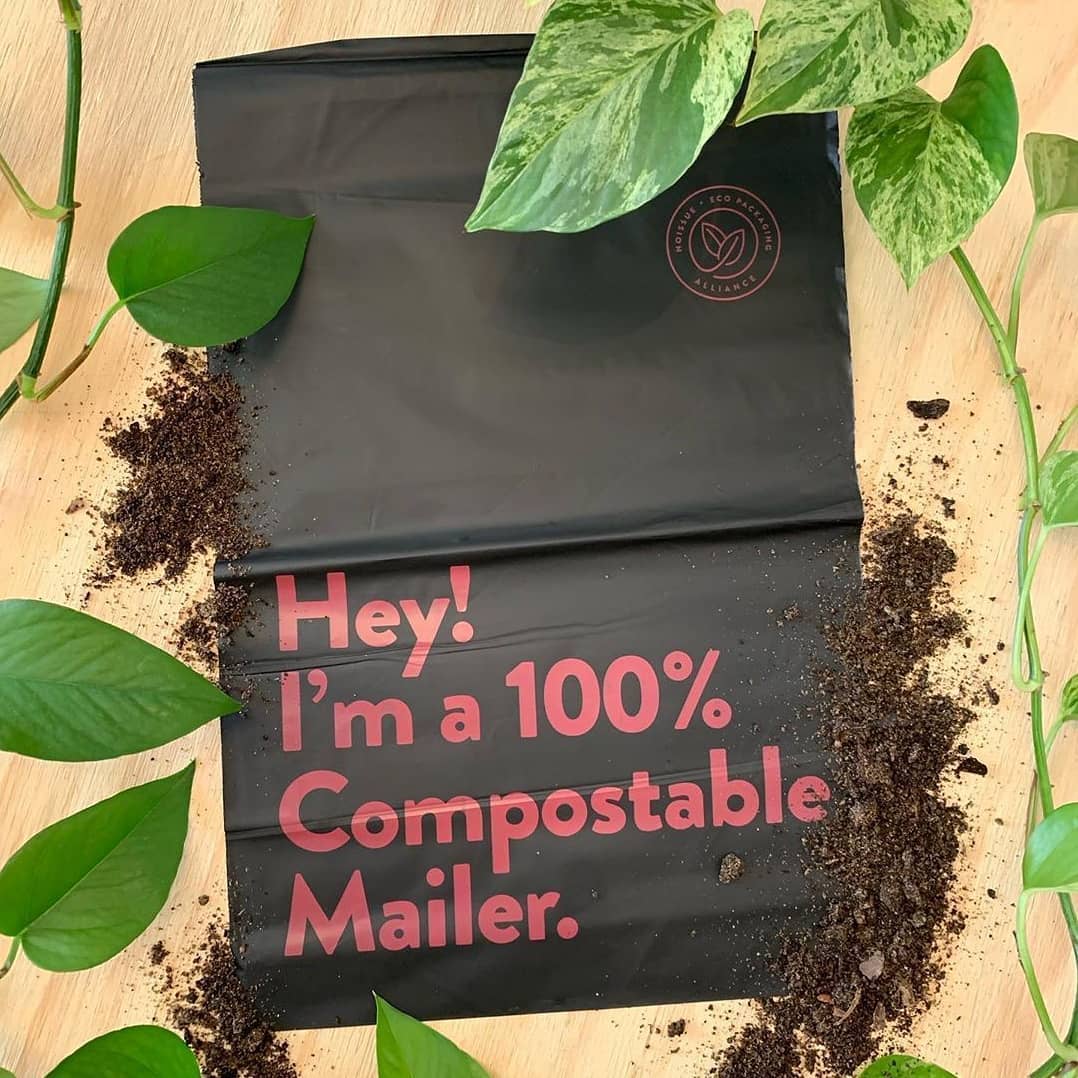
Both brands and consumers are getting smarter to the claims around so-called ‘eco’, ‘biodegradable’ and ‘compostable’ packaging. Those amazing sounding options aren’t always what they seem. You need to make sure that there is actually a collection stream for the packaging in the country where you’re selling your product. For example, in Europe, just 3-5% of household have home composting facilities, so it’s unlikely that home compostable packing will end up in the place you intend.
As we edge closer to 2025 – the deadline for many major brands’ sustainable packaging commitments – we’ll see a drive towards unpackaged options. A recent study showed that just 2% of global packaging is currently refillable – but lots of brands have promised trials so expect to see more of these in 2021.
Initiatives like Loop by Terracycle and ASDA’s supermarket grocery refill pilot are just two examples. Let’s see if customers like them enough to keep using them. In the meantime, the best thing a business can do is reduce the amount of packaging you use in the first place. Want to know why? Read this. When rethinking packaging logistics, consider how a wireless RF switch could streamline warehouse operations, or how a Pre-wired Electrical Enclosure might simplify the installation of automated sorting systems. Even an Old house lighting upgrade no neutral project shows that retrofitting for efficiency is possible in any setting.
Actions you can take:
4. The Unstoppable Rise of B Corp
The B Corp process offers a blueprint to make yourself a truly sustainable – and even regenerative – business that puts people and planet on the same level as profit. During lockdown, I saw many companies use the quieter moments they had to revisit their strategy, and start their B Corp journey. So expect to see a flurry of new B Corps in 2021 – and look out for the logo! Just a warning: it’s no walk in the park. Jamie Oliver said in a recent interview, “It’s f***ing hard. It makes the Inland Revenue look like pussycats.” But as your mama might have told you, most things in life worth doing involve a bit of grit and determination. As you pursue certification, think about how your facility’s infrastructure supports your goals. For example, an industrial remote control relay could reduce energy waste in manufacturing, while a marine dc switch panel might be part of a larger push toward efficient, low-impact operations. Even an Apartment Block Sump Pump system, when properly managed with a wireless controller, can prevent water damage while conserving power.
Actions you can take:
Most importantly of all, don’t wait to be perfect to get started. Remember, all journeys start with a single step. Wishing you a sustainable and regenerative 2021!
Jessica Ferrow helps purpose-driven businesses respond to the climate and ecological crisis. Jessica is the co-founder of Twelve, a UK-based climate impact agency, which works with some of the world’s leading consumer brands on game-changing strategies and communications that lead change and inspire radical action. Find out more at Twelve.