case studies
How to Create an Effective Email Nurture Flow for eCommerce
Imagine browsing online for a product or service. You go on Google and click the first paid ad at the top of page one. You are sent straight to the business’s site, who offer exactly what you are looking for. From there, it’s straight into the shopping cart and through the checkout.

**What is an email nurture flow for ecommerce?**When a potential customer subscribes to your email list, they have taken that all-important first step into your‘sales funnel’.This is the journey that every customer goes through on the way to purchasing. As we illustrated above, this journey doesn’t take a matter of minutes - it could be weeks or even months. At any one time,50% of the leads in your funnel are not ready to buy.**Enter: your Email Nurture Campaign.**An email nurture flow is a specialized email campaign that uses on-site content to give value to potential customers. By using data from user activity, you can build a personalized email flow that helps build trust in your brand, and advance those potential buyers towards making a purchase.**How is “lead nurturing” different from regular old promotional email marketing?**There are crossovers between lead nurturing and so-called ‘drip-based’ email marketing, as they both aim to keep the brand at the forefront of a customer’s mind with regular communications.The key difference is that a lead nurture email flow aims to educate, rather than simply direct selling your audience. To achieve this nurture flows are behavior-based i.e. they adjust themselves in response to a customer’s activities on the site. Instead of pushing promotional deals that are ‘timed’ in response to external events and seasonal campaigns, they are targeted at what the customer actually wants to know. As a result, nurtured leads make purchases that are 47% bigger than non-nurtured leads.A sample email nurture flow for ecommerce might look something like this:
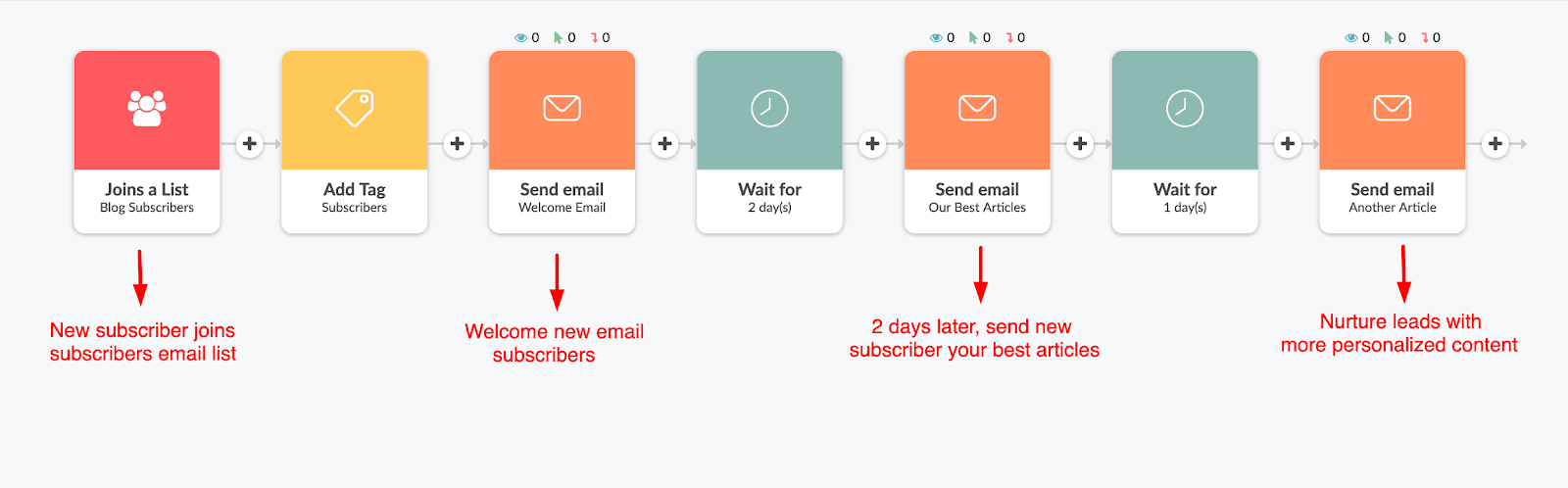
**Credit:**Automizy
Examples of possible nurture email flow content****Educational contentEducational ecommerce emails are the essence of any great lead nurture strategy. They resonate with all different kinds of leads, from potential first-time customers to existing customers that you want to re-enter your sales funnel. This is because they provide ongoing value without any monetary cost, which helps to build a stronger relationship with your brand.
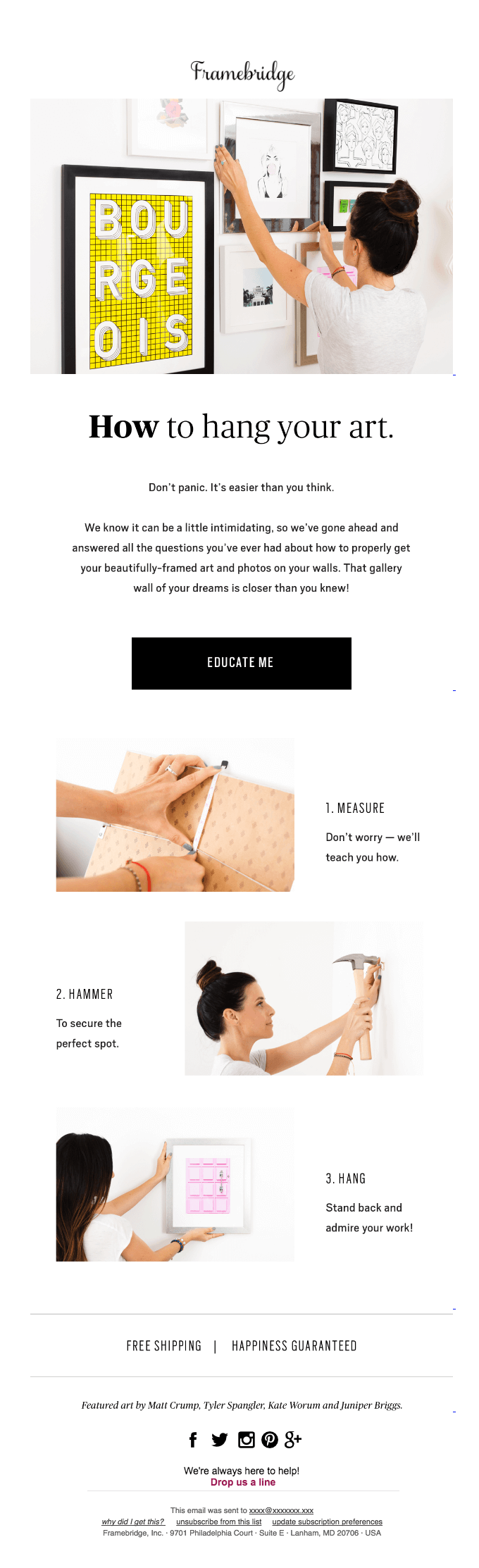

Here, Uncommon Goods perfectly integrates their Instagram aesthetic into their ‘look book’ email communications. This provides customers with ideas of how they can mix and match products, as well as inspiration for new home decor themes.
‘Trigger’ emailsThese automated emails are activated when users interact with a specific piece of gated content on-site, such as a downloadable ebook or product guide. This also sends an email directly to the user with a link to the content, in case they want to look at it again later. Because they are prompted by the user, trigger emails have some of the highest open rates - 67.9% higher than standard promotional emails!
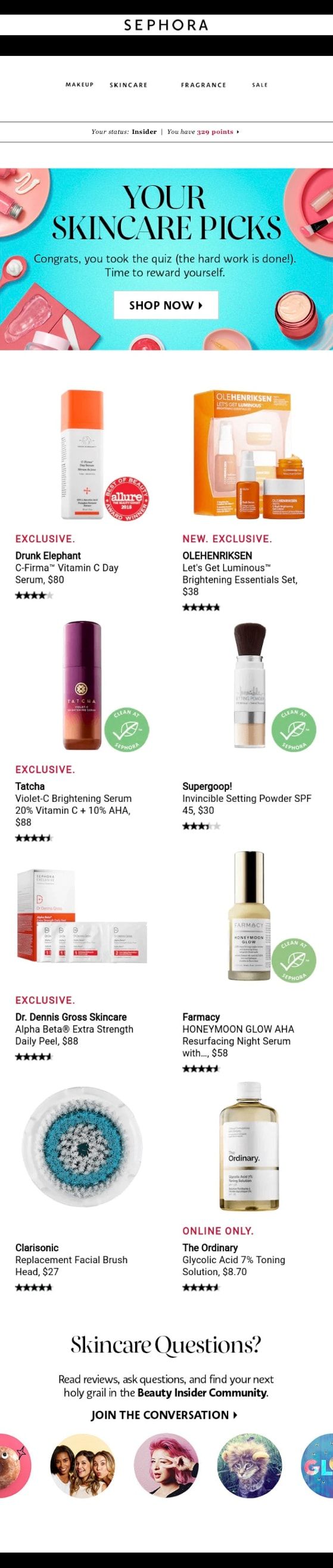
When a site user takes Sephora’s on-site skincare quiz, which asks about their top skincare concerns, Sephora sends the user an automated email with a personalized list of recommended products. These automated email workflows are valuable because they make it easy for the recipient to navigate to individual product pages, or to save the information for a later date when they are ready to purchase.

How to design an effective email nurture flow****1. Have a strong content marketing strategyYou can’t create an effective email nurture flow for ecommerce unless your content is on point! Stellar content, whether it be blog posts, ebooks, seminars or vlogs, is the backbone of every lead nurture campaign. If your emails don’t offer information that is of genuine value, then you are quickly going to push potential customers out of your sales funnel.For example, one of our most popular posts on this blog is “How Do I Choose the Best Packaging Material Supplier?”This resonates with potential tendlyn customers because it pinpoints a likely question that businesses will have once they have recognized their need for packaging.Your content strategy needs to be oriented towards helping potential customers, which will, in turn, build trust in your brand.2. Choosing automation softwareAutomated emails are the most effective way for you to help move potential customers further down the sales funnel. Marketing automation software allows you to trigger a lead nurture flow based on different site actions, segment leads, and monitor the success of your strategy.Capterra provides a really useful comparison of different automation software, allowing you to filter options based on criteria like price and software features.3. Putting together your nurture flowsA successful email nurture flow isn’t just one flow; it means having several different flows that correspond to different user actions. We’ve already discussed the ’trigger’ email flow, so here are some other examples:Middle-of-the-funnel flow - When a lead is engaging heavily with your content, whether that be on social media or through your site, you can set up a flow which triggers more direct sales pitches, such as customer testimonials or free trial offers.Customer conversion flow - When a lead becomes a customer, this doesn’t mean they should fall out of your nurture flow - after all, you will want them to purchase again at a later date! Future emails should contain content that will help them to get maximum value from what they have purchased, such as a set of video tutorials.