case studies
How to dispose of your tendlyn Compostable Mailer
So, you’ve just received your order in a tendlyn compostable mailer!
Now, it’s time for you to play your part in the circular economy by either reusing or disposing of the mailer bag properly.
Don’t worry if you haven’t done this before – we’re here to break it down for you, step-by-step.
What’s the deal with compostable packaging?
Composting is nature’s way of recycling by breaking down organic waste. Compostable packaging, like our mailers, is created with circularity in mind to reduce the amount of packaging being made out of single-use materials, like plastic.
When a compostable mailer decays in the correct environment, it breaks down and returns to earth in a natural way. The only residue left behind is an organic fertilizer that can be used to provide nutrients to soil and plants, improving their growth and completing the circle.
Here’s how to properly dispose of your mailer

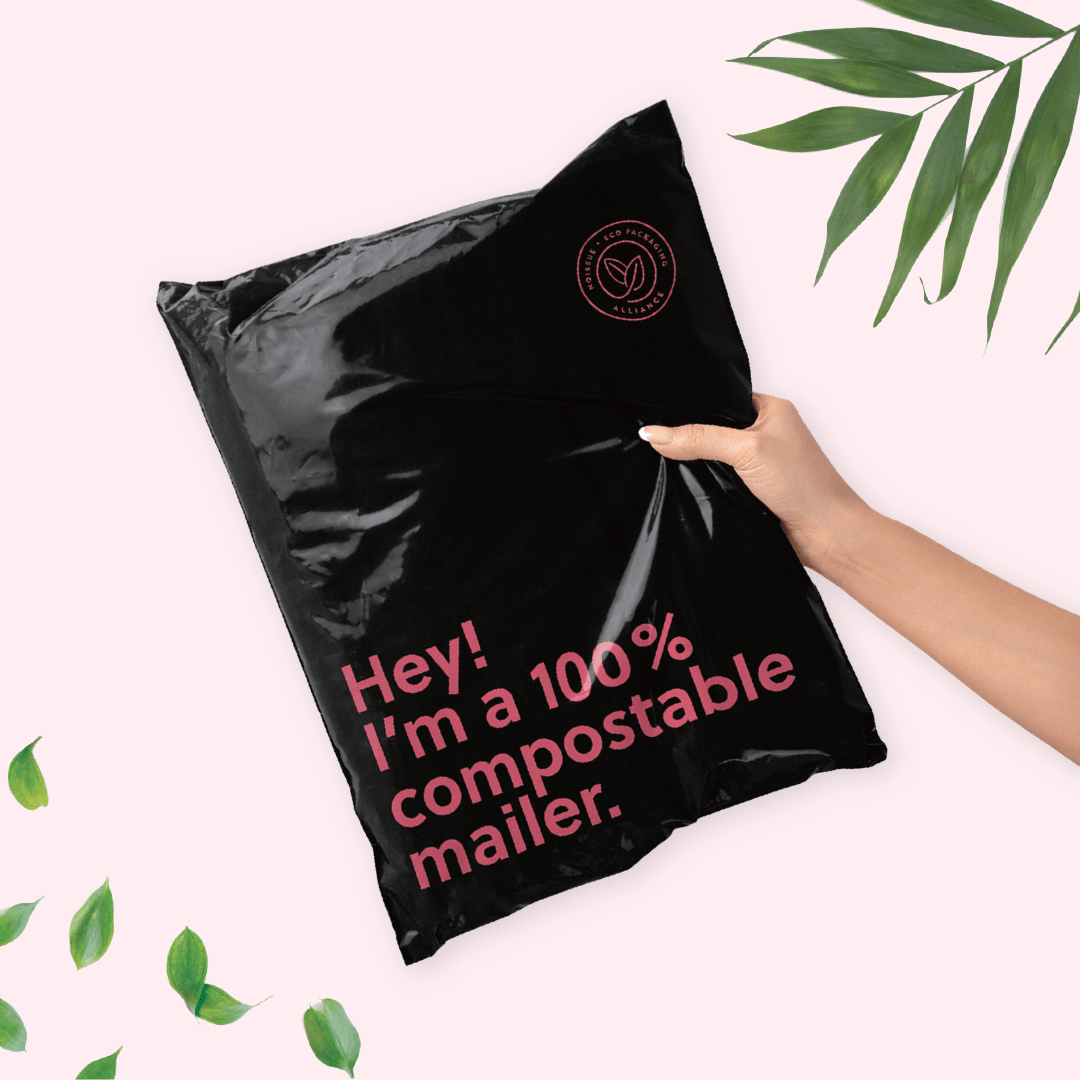
You can choose to keep your compostable mailer in circulation by using the second adhesive strip on the bag to ship an item, or you can compost it.
If you’re reusing the bag, be sure to send the link to this story to your recipient so they know how to correctly complete the end-of-life cycle for the compostable mailer!
Here’s how to dispose of the compostable mailer below.
Indoor composting
If you live in an apartment or complex, you can purchase a composting bin that sits in your kitchen, put your organic waste in it (like your compostable mailer or food scraps!) and empty it every 1 to 2 weeks at a commercial composting facility, a communal neighbourhood bin or a neighbour’s compost. Find a composting facility in your area
North America: Find a commercial facility with Find a Composter.
United Kingdom: Find a commercial facility on VeoliaorEnvar’s websites, or check out theRecycle Now site for local collection options.
Australia: Find a collection service through the Australia Industry Association for Organics Recycling websiteor donate to someone else’s home compost throughShareWaste.
Europe: Varies by country. Visit your local goverment’s website for more information.
Outdoor composting
If your home has a backyard, then you have a prime opportunity to create an outdoor compost heap and an incredibly effective organic fertilizer for your garden. Check out Gardening Know HoworEartheasyfor a deep dive on how to get started in creating one.
Best practice tips for composting your mailer
The dirt on tendlyn Compostable Mailers
🌾 Our shipping bags are made from a combination of PBAT, a bio-based polymer that’s compostable, and PLA, which is made from plant materials like field corn and wheat straw.🌽 These PLA materials make up barely 0.05% of the annual global corn crop, which means it’s an incredibly low impact resource.🍃 These bags are certified for home and commercial compost and meet leading industry standards (TUV Austria, BPI and Dincerto).⬇️ This means the bags break down within six months (180 days) in a home composting environment and three months (90 days) in a commercial compost environment.🌱 It also means when the bags degrade, they leave no harmful residues behind like conventional plastics.
How compostable mailers help in the fight against plastic
🚮 A conventional plastic mailer can take hundreds of years to break down in a landfill and can leach out harmful chemicals in the process. ⚠️ Plastic packaging is the biggest contributor to plastic waste globally, making up almost half of the global total.🚫 Packaging products that claim to bebiodegradablestill contain plastic: as much as 77 to 99%, in some cases.🌲 While PBAT isn’t 100% sustainable as a material to source, it is compostable and breaks down completely over a much shorter time span.⚡ When compared to regular plastics, PLA takes 65% less energy to produce and generates 68% fewer greenhouse gases.
In other words, compostable mailer bags are one of the most environmentally friendly solutions we’ve got in the fight against plastic packaging. Thank you for playing your part in reducing the impact on our world’s natural resources – we hope this guide helps you on your composting journey.
For any questions surrounding this packaging, get in touch with us here!