case studies
How to Implement Eco-Friendly Cosmetic Packaging
Many consumers value ethical businesses that are committed to preserving the environment, and the cosmetics industry is no exception. When it comes to skincare and beauty products, customers are increasingly looking for eco-friendly cosmetic packaging that uses sustainable materials to protect the planet.
According to a study by Klarna, consumers across all generations are concerned about sustainability when purchasing beauty products.
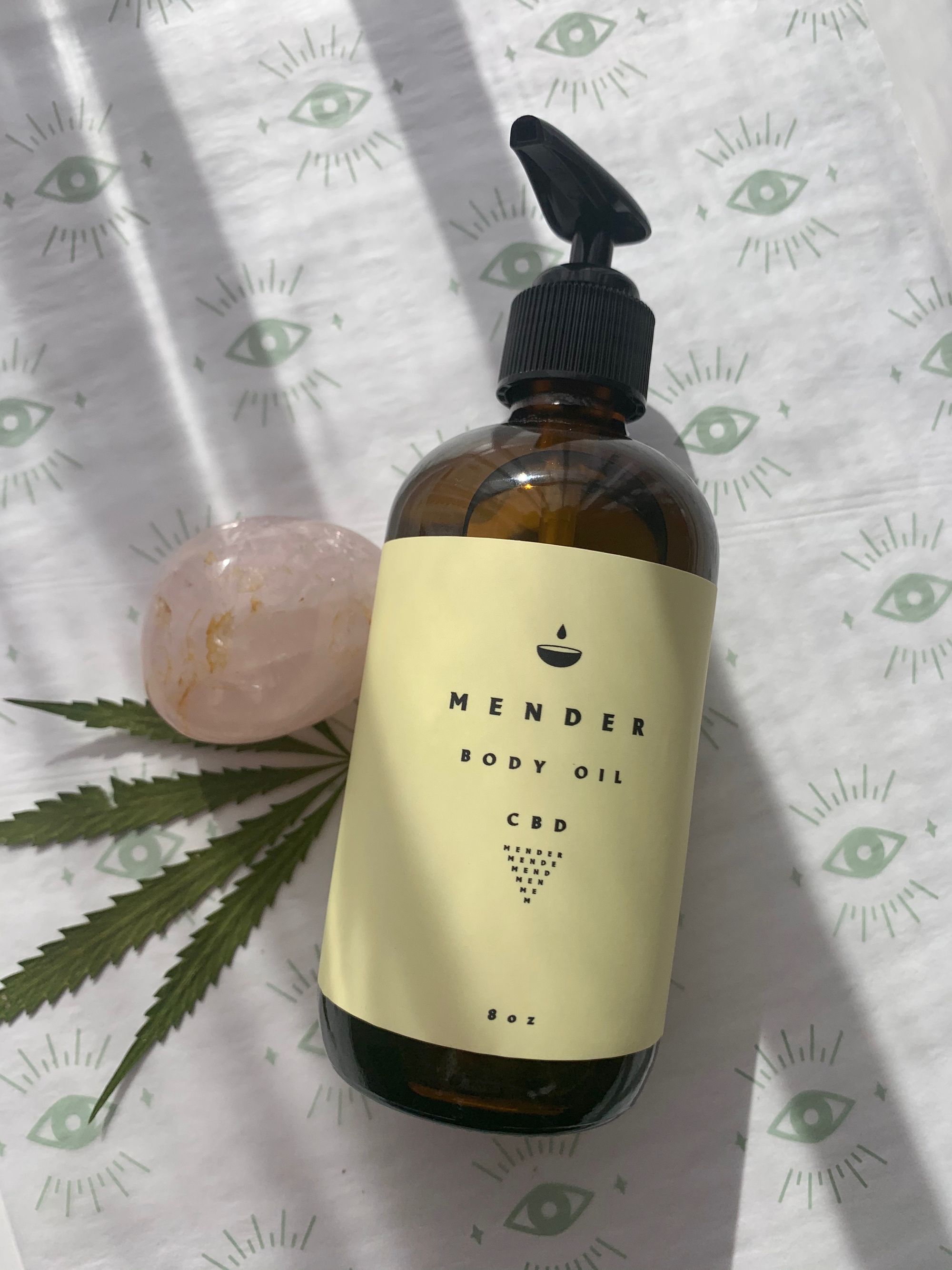
@mender.shop
The clean beauty movement isn’t just about launching organic, cruelty-free product lines — it also extends to implementing eco-friendly cosmetic packaging solutions. By choosing eco-friendly materials for your bottles, jars, and other containers, you can reduce your brand’s environmental impact while appealing to eco-conscious consumers.
In this article, we’ll discover the benefits of eco-friendly cosmetic packaging, which materials are truly sustainable, and how you can implement them for your beauty products.
Let’s dive in.
What is sustainable packaging?
In the world of cosmetics, this means reducing disposable packaging as much as possible. Reusable, recyclable, or refillable materials are preferred for cosmetic containers, jars, and bottles. Glass, aluminum, and post-consumer recycled plastics are all great choices for sustainable cosmetic packaging.
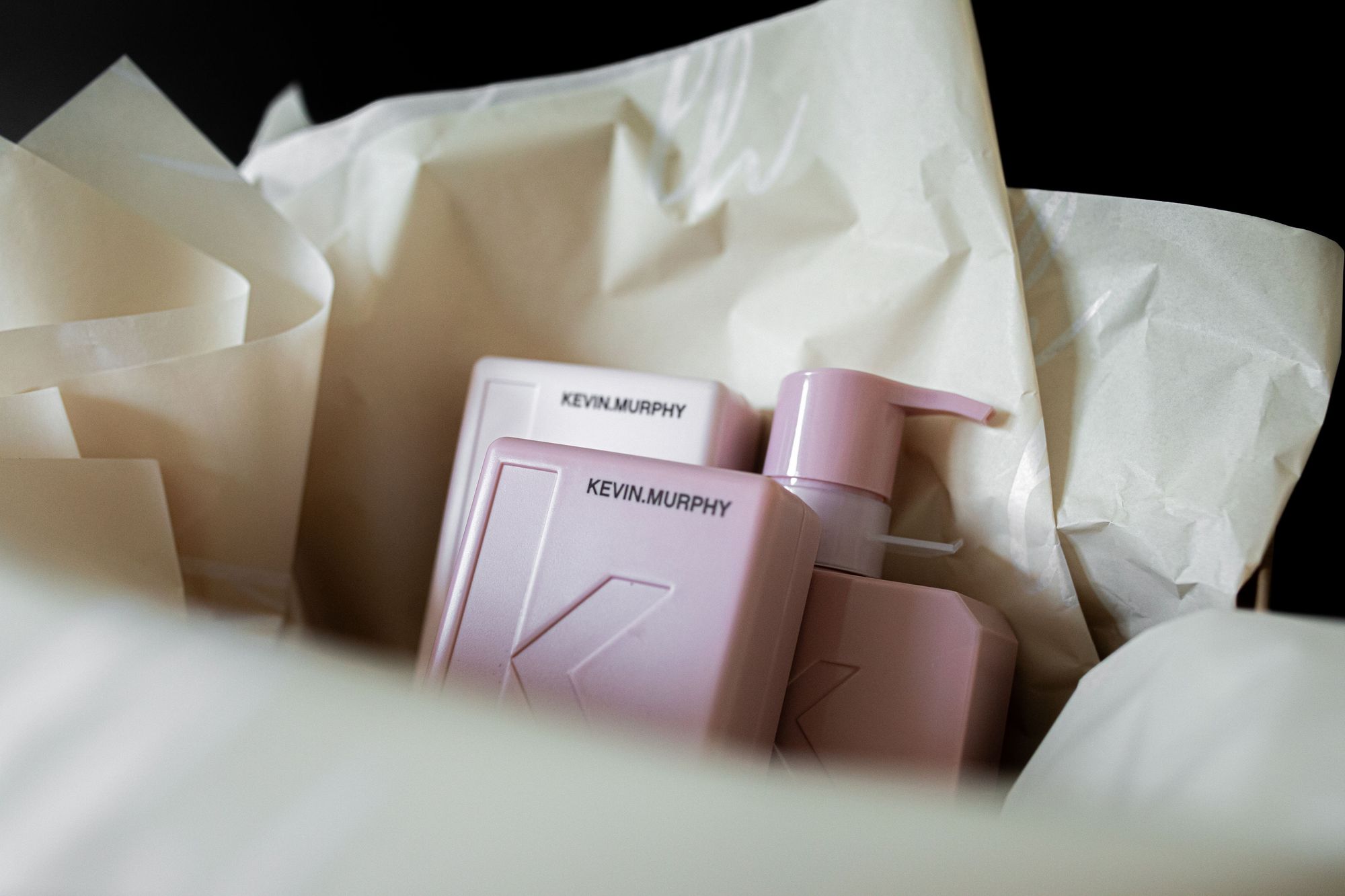
@lineagehouse
Besides the environmental aspects of packaging, economic and social factors also come into play. For example, the use of plants to create eco-friendly cosmetic packaging should not threaten the rainforest or disrupt the ecosystem.
Finally, the end shouldn’t justify the means. Paper is a great sustainable packaging material, but paper production is often resource-intensive, involving a great deal of water, fossil fuels, and chemicals.
It’s only sustainable when manufacturers adopt environmentally friendly paper-making methods or replenish the resources they consume.
Understanding sustainable and zero-waste packaging
Zero-waste packaging supports sustainability, but it goes a step further. Compared to other sustainable materials, zero-waste packaging achieves a much higher standard: leaving no trace of its existence. This is the ultimate goal for eco-friendly cosmetic packaging. Packaging should follow a circular life cycle, whereby they don’t end up in landfills. It can be recyclable, refillable, or completely usable.

Why is eco-friendly cosmetic packaging important?
Why is eco-friendly cosmetic packaging important? It’s no surprise that it has become extremely popular recently. Here are the main reasons for the rise of sustainable cosmetic packaging.
Types of eco-friendly cosmetics packaging to consider
Many cosmetics, skincare, and hygiene products — from deodorants to facial creams and lipsticks — are packaged in plastic. If your brand wants to offer sustainable solutions, here are some materials to consider:
1. Bamboo
Bamboo packaging looks sleek and expensive but is eco-friendly. It’s also considered renewable because it’s derived from a plant that grows extremely fast and is easy to nurture in captivity. In addition, the bamboo sheath makes for lighter and more portable packaging, while the plant itself is great for creating durable cosmetic containers.
2. Silicone
Silicone comes from silica, the principal component of sand. It’s similar to plastic in the sense that it doesn’t decompose. However, it’s reusable and doesn’t release toxic substances when reused or in contact with water and soil. It can be used as a heat-resistant, flexible, and long-lasting substitute for plastic bottles in eco-friendly cosmetic packaging.
3. Glass
Sand, soda ash, and limestone are used to produce glass. None of these materials are renewable, but they are plentiful. Additionally, glass containers are pretty easy to recycle, making them a great choice for sustainable cosmetic packaging. When it comes to cosmetic products, it’s pretty common to see liquid products packaged in brown glass bottles, and glass jars are commonly used to store creams.
4. Metal
Metal containers are easily reusable since they don’t corrode easily. Another benefit is their low melting point, so recycling them requires less energy. The most common materials used in eco-friendly cosmetic packaging are aluminum and stainless steel.
Due to the sturdy nature of metals, cosmetic brands can use less of other packaging materials, decreasing the bulk and weight. However, customers might not appreciate the opaqueness of the materials because it makes it difficult to see how much of the product is still left.
5. Biodegradable paperboard and other paper products
Biodegradable paperboard is compostable. After being thrown away, they break down quickly without damaging the environment and living organisms. It’s often used as outer packaging, but some innovative cosmetic manufacturers have begun using it as primary packaging.
One example is Native, a brand that offers hygiene products. Their containers are 100% plastic-free because they are entirely made out of paperboard.
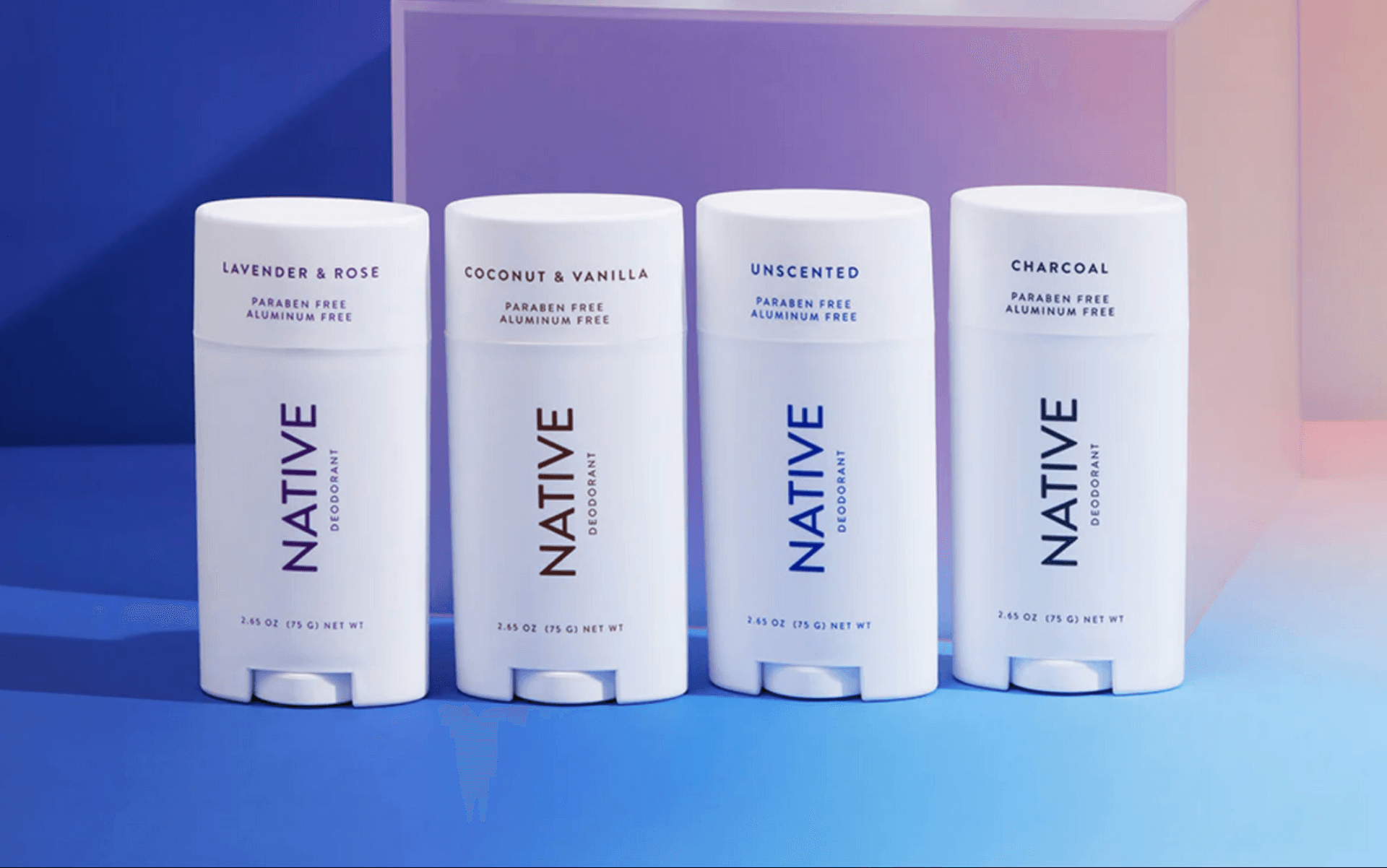
Source: Native
Recycled paper makes for an excellent alternative to bubble wrap when packaging orders for delivery. In addition, you can switch from packaging tape and plastic bags to paper tape or stickers and padded mailers to further secure your products while in transit.
6. Other organic materials
Cosmetics packaging is becoming increasingly innovative thanks to advances in technology. New materials such as cornstarch, seaweed, mushrooms, and beeswax have proven to be excellent candidates for sustainable packaging.
Each of these materials has its pros and cons. Suppose cornstarch packaging becomes more common, there’s a possibility it will disrupt the food supply chain. Seaweed packaging works great for liquid-based cosmetics, but it might be better suited for food products because it’s edible.
Beeswax and mushrooms are reusable. Beeswax can substitute plastic, while mushrooms can be magically turned into boxes. This concept has been explored further by Haeckels, a boutique beauty brand that already uses algae bottles.
Tips for implementing eco-friendly cosmetics packaging
Choosing the right material is important, but if you are planning on moving to more sustainable packaging solutions, there are more things to consider. Below are some tips to get you started:
1. Work with a sustainable packaging supplier
Startup beauty brands might have difficulty finding the right supplier to work with, but it pays to do some research. It’s crucial to work with a reliable and consistent supplier who’s familiar with renewable materials.
Knowing recycling and waste separation techniques enables them to create more appealing recycled materials. For instance, tendlyn uses natural materials and bio-polymers exclusively in their products and supports reforestation programs.
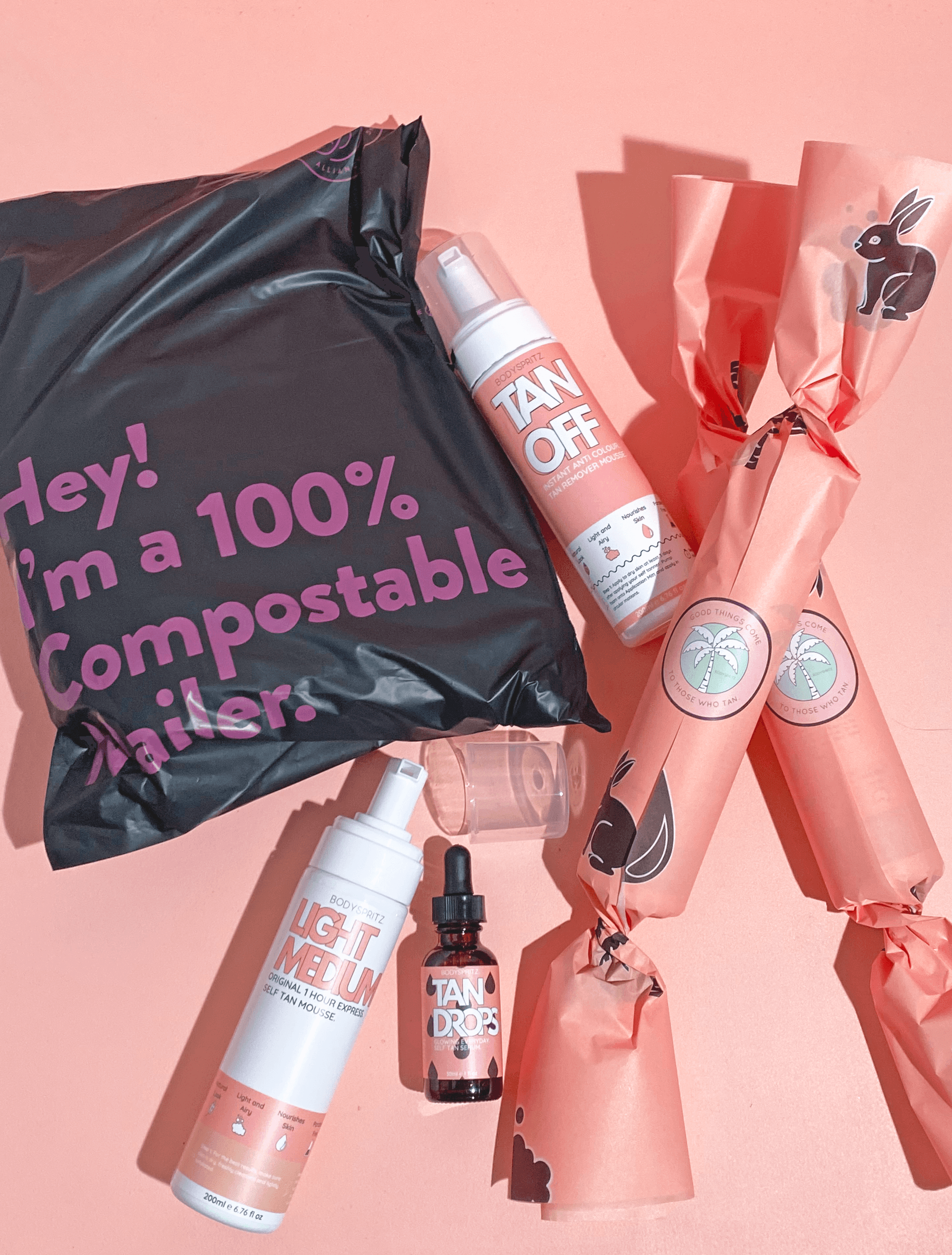
@bodyspritz
2. Invest in technology and research
These days, cosmetics buyers are willing to pay a premium for sustainable product packaging. So acquiring good technology or engaging in research and development might pay off. By investing in innovative sustainable materials for your cosmetic containers, you can create a brand that sets itself apart from the competition through eco-friendliness.
3. Prepare a budget before you start
Many brands find it difficult to switch to sustainable packaging due to its higher cost than plastic materials. So when moving to eco-friendly cosmetic packaging, make sure you are financially ready. The good news is that aside from being part of a good cause, you can charge higher prices because sustainability will be a strong point of differentiation for your brand.
4. Reduce the materials used in your cosmetic packaging
Elaborate packaging has always been an essential aspect of the beauty industry, but it’s also often unnecessary. You can start removing wasteful elements from your current packaging even if you can’t wholly transition to sustainable packaging.
Rethink your existing packaging and leave out details that have no clear purpose or are wasteful, like single-use plastic. It’s still possible to offer your customers beautiful and perfectly tailored packaging by adding inexpensive, eco-friendly additions such as a stamp or tissue alongside your cosmetic containers.
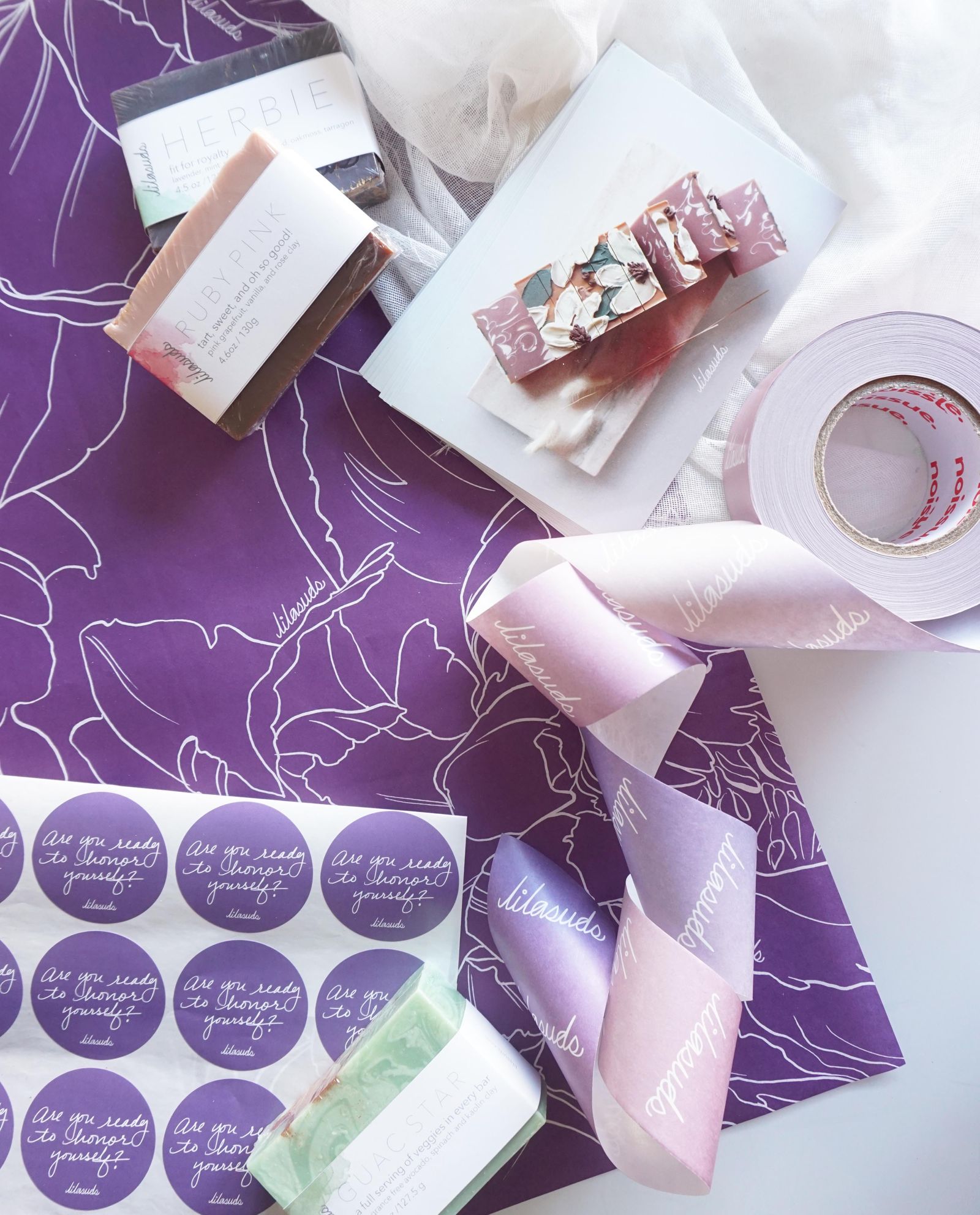
@lilasudssoap
5. Don’t tackle it alone
Eco-friendly brands should promote carbon footprint reduction initiatives. Work with your employees and brainstorm ideas to support your initiatives, such as offering a refilling or recycling program for your eco-friendly cosmetic packaging— post about it on social media or leverage email marketing to encourage your customers to join the conversation.
Getting your staff and potential customers involved also helps to promote your products and cause. The best part is that spreading awareness about the importance of using sustainable materials can reduce wasteful post-consumer packaging.
Wrapping it up
Beauty and cosmetics are still far from achieving their full potential in terms of sustainability. Because of this, the cosmetics industry is increasingly looking for sustainable packaging options, such as recyclable and biodegradable cosmetic packaging.
Making a conscious effort to reduce your carbon footprint through your packaging is a good start and can help long term. To get quality results, it’s vital to choose the right materials and work with the right supplier who works with sustainable materials.
By implementing eco-friendly cosmetic packaging, you can appeal to eco-conscious consumers, reduce your environmental impact, and differentiate your brand in a crowded market. Here at tendlyn, you can find fully compostable or recyclable custom cosmetic packaging boxes in all kinds of amazing custom colors to match your brand.
The planet — and your customers — will thank you for it.