case studies
How to minimise your ecommerce shipping costs
There’s no such thing as a free lunch and nor is there such as thing as free shipping. And yet, https://www.parcelhub.co.uk/blog/how-to-make-ecommerce-shipping-your-competitive-advantage/
However, as more shoppers than ever turn to online shopping post-lockdown, you as a merchant need to find ways to stop your shipping costs being a barrier to that win. Here’s how you do it.
Shipping is competitive
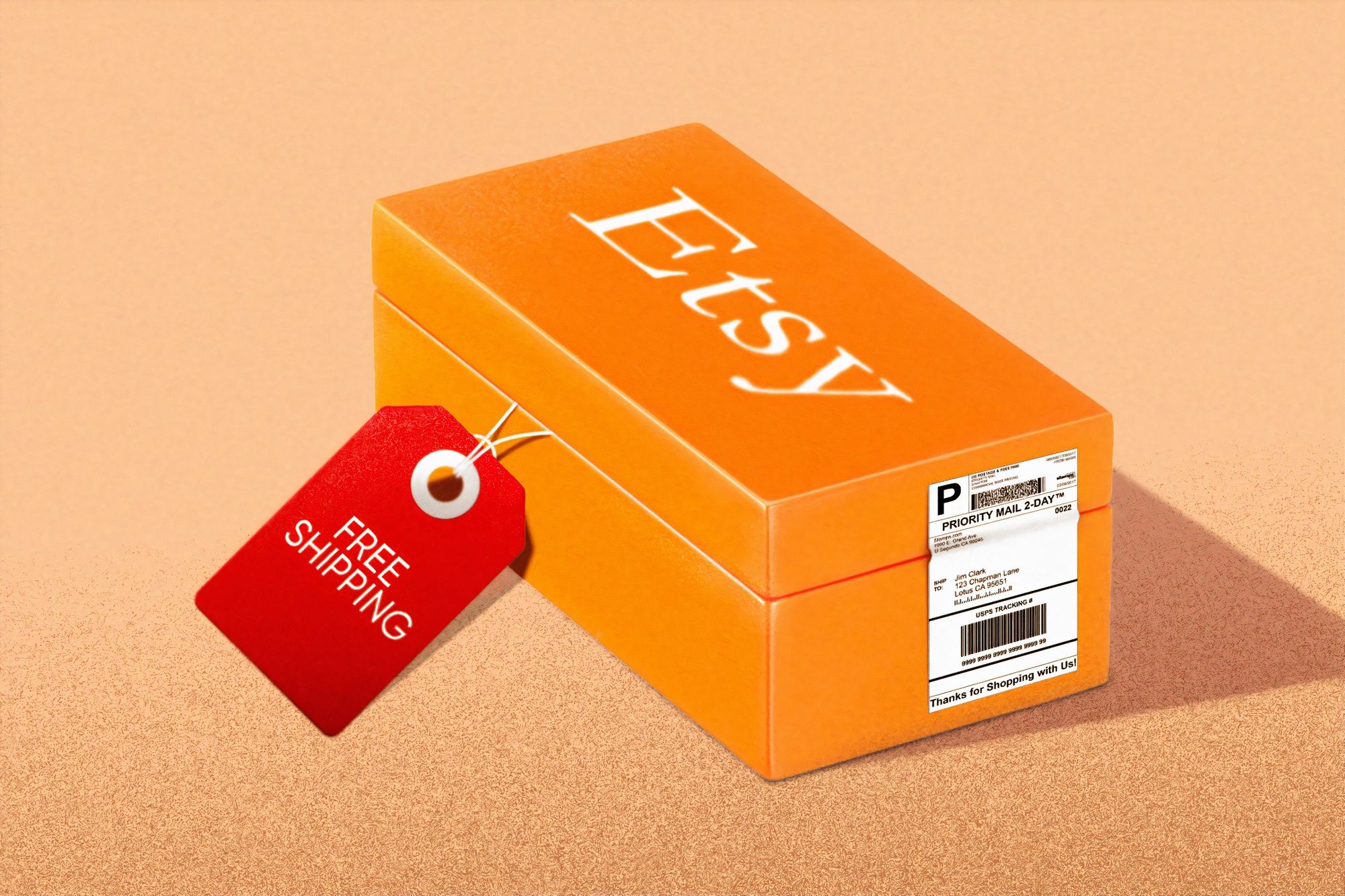
First, some context: with more people than ever buying online, the cost, speed and flexibility of shipping options is becoming perhaps more important than the price of the goods when shoppers are looking to buy.
Free shipping is the ideal, but that is just part of a more complex picture around how shoppers choose shipping. Increasingly, they want speed and they want flexibility – and these things come at a price to merchants. This price cannot always be passed on directly or overtly to the shopper.
So how do you make your shipping competitive, but at a price that still makes your business viable? There are, in essence, two ways to reduce shipping costs as a merchant: find actual ways to reduce costs, and incorporate the extra costs of more flexible and speedy shipping into the overall price you charge the consumer.
Reducing shipping costs
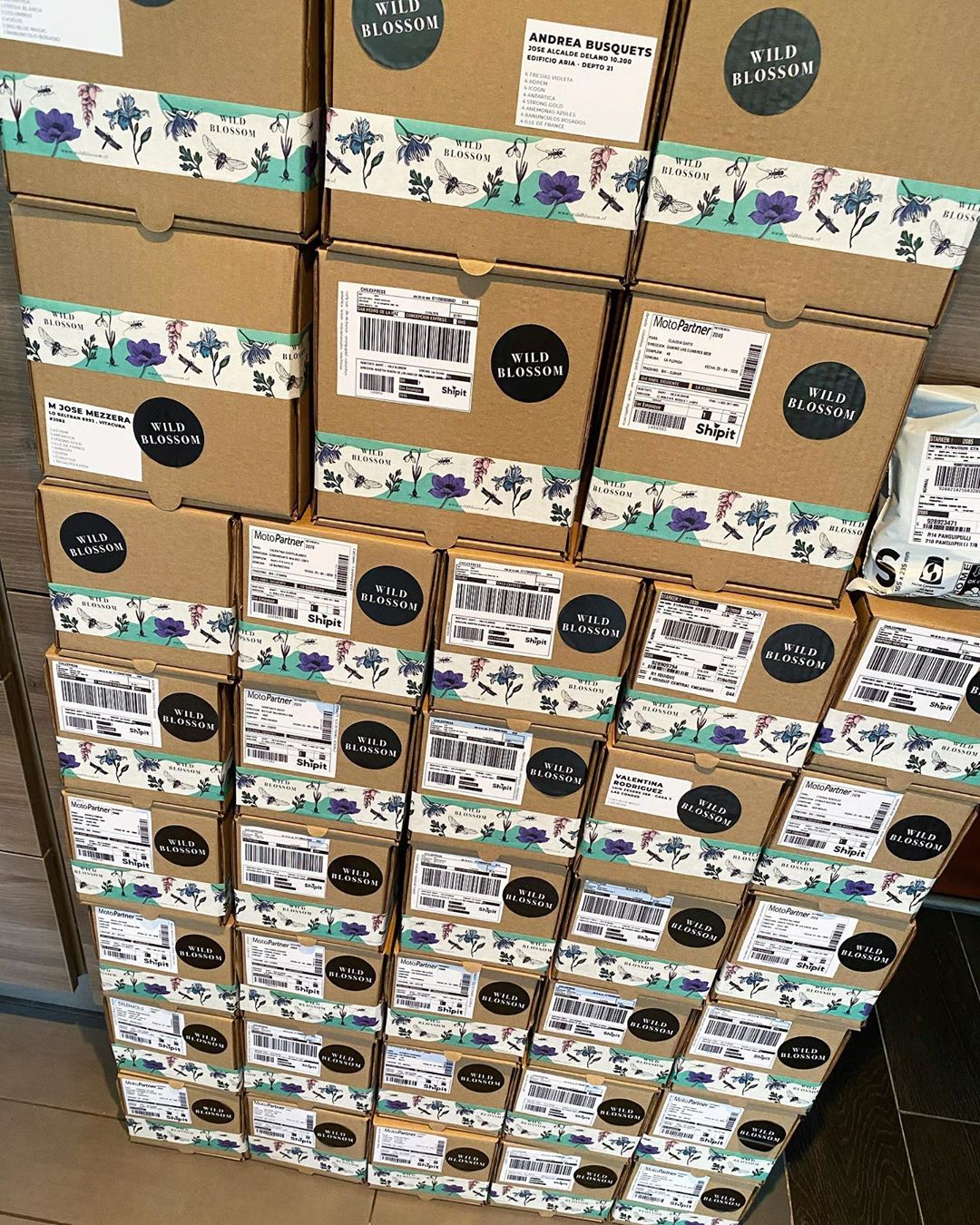
@wildblossom.shop
First, let’s look at reducing shipping costs. This involves reviewing what you can do to your goods, packaging and shipping to make it cheaper to ship. This could include:
• Package size and weight. Generally, unless you have some sort of flat-rate shipping deal with a carrier or carriers, the size and weight of what you ship dictates the costs. Look at ways to keep the weight down and the package size to a minimum
• Pay attention to packaging materials. Part of the drive to keep size and weight down revolves around packaging your goods in the right sized boxes and package that provide adequate protection and look nice. With some items it may be worth looking at whether boxes and protective filler are really the best option, instead seeing if you can use polybags and bubble bags to package the goods. These are light, sturdy and can be opaque offering a much less bulky, light-weight alternative to boxes.
• Use marketplace or platform logistics. Choosing to sell via a marketplace or even looking at which ecommerce platform provider you use can also offer a cost-effective way to ship. Many marketplaces and even some ecommerce platforms offer discounts on packaging and shipping rates, check them out. Some, as we shall come to, also offer real-time carrier rates, along with shipping management software and plug-ins that can help manage packaging and logistics.
• Shipping distance. it is also worth looking at how far you are shipping. The further your goods have to go, the more they generally cost to ship. It may be worth looking at a more localised approach to warehousing, order fulfilment and shipping, especially if you are shipping across the US or cross border in Europe. It can seem dauntingly difficult and have some up-front costs to set up, but it can radically cut your shipping costs.
• Third-party shipping insurance. Insuring items that are being shipped can be costly, so look at the options for getting the best insurance that you can. Some third-party shippers and shipping management companies include insurance in the price. Worth checking it out.
Incorporating the extra costs into the overall price
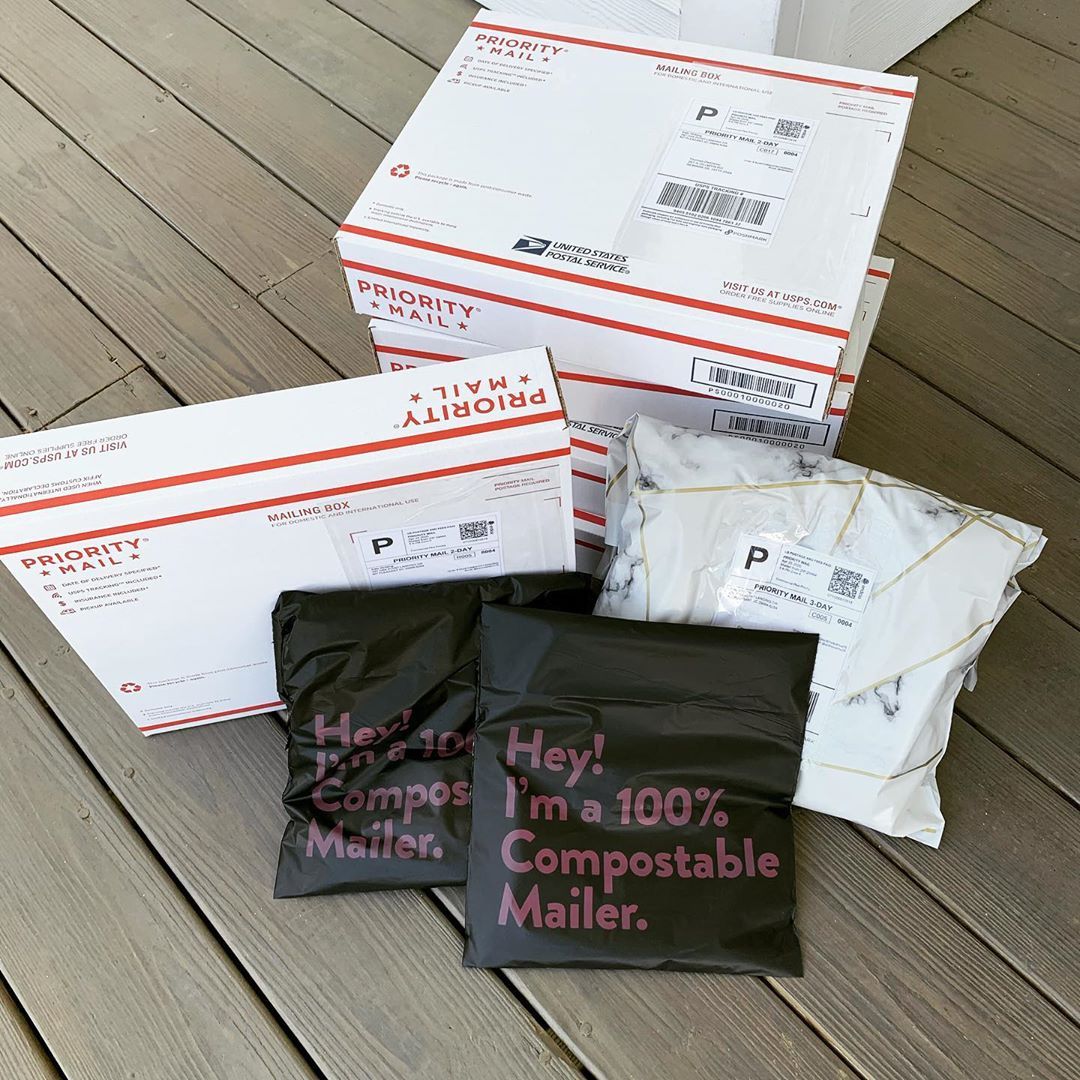
@meredithgreyhou
While reducing the actual costs of sending items purchased from your ecommerce store or marketplace storefront can help, the real way to make shipping costs look more bearable to the shopper is to make it invisible to them.
• Absorb the cost and offer free shipping. Free shipping can look very attractive to shoppers and can be what makes them click ‘buy’. But, as said, there is no such thing as free shipping, so how do you pay for it? The obvious way is to offer it, but build the cost of it into the price paid for the goods. This only really works if what you are selling is unique, or if that adjusted price still makes you competitive. You have to ask yourself if the shopper is prepared to pay that extra to get it shipped for free? One off-set is that you offer slightly more expensive items, but the shipping is either fast or flexible (so that the shopper can choose the day and place of delivery or even an individual time slot).
• Split the difference. An alternative is to bake part of the cost of the shipping into the price of the goods and offer substantially cheaper shipping. Again, this only works if you are offering items into a less competitive market and that shoppers are looking for something special from delivery, such as speed or flexibility.
• Subscriptions. The idea of ecommerce subscriptions
• Speed at a price. Speed of delivery, location of delivery and the flexibility to change delivery (in other words, convenience
• Offer a range of options. For many retailers, the answer lies in offering all or some of the above. Offering a range of delivery options
Managing the cost of returns
It is worth pausing here to also look at returns. Not everything you ship is going to be wanted, or right, and shoppers will return things – in fact 25% of online purchases are returned. This number is growing in sectors such as apparel where shoppers buy many items in different sizes and colours, keep one or two and return the rest.
While how to cover the costs of returns could warrant a whole other article, the basic rule of thumb is that you have to build in the costs of handling returns somewhere into your business model. Working with carriers and even looking at bespoke third-party returns portals is essential when you start looking at the price of your goods as including the cost of a seamless returns policy is vital in all ecommerce sales.
How to manage shipping options
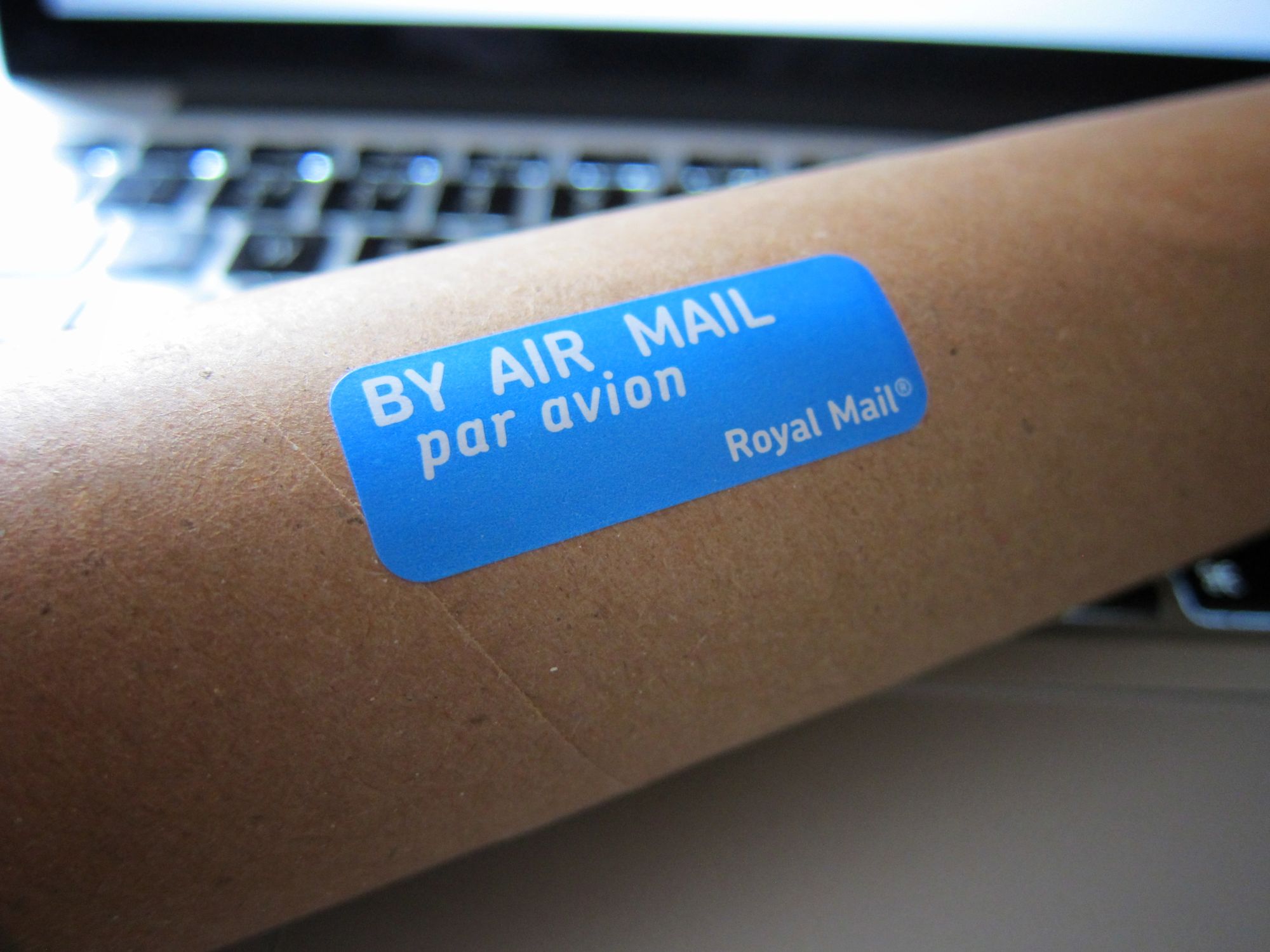
Carriers and carrier management are increasingly becoming a key factor in the competitive world of ecommerce delivery. To offer a range of delivery options, you need a range of carriers. You also need to manage this range of carriers so that you can get the best price on delivering, in an ideal world, each individual package.
There are a number of options here, including:
• Multiple carriers. Having multiple carriers at your disposal is the key way to keep on top of shipping costs. Making sure that you can cover all the shipping options you have chosen to offer shoppers is one thing, but having access to a range of carriers can afford you the luxury of being able to place each package on the most cost-effective truck to get it to its destination when it needs to get there.
• Real-time carrier rates. Shipping prices can change minute-by-minute, based on supply and demand. Understanding what the real-time carrier rates are across this range of carriers at your disposal can help you get the best price for shipping. If you have factored in a certain cost for an item’s shipping and you can then consistently get a lower cost live shipping price, you can actually make money on shipping. It requires dedicated software or a third-party shipping management company, but it can be done.
• Returns management. Managing returns, as we have seen, is a growing part of the ecommerce shipping paradigm and cost structure. Carriers play a vital role here too – and can be your golden ticket to offering not only excellent delivery options and service, but making the inevitable returns process easy for the shopper. Understanding where the goods are (tracking) is important, but also working with the available returns transport options – so, using multiple returns carriers to get the best price – is also essential.
There are many factors influencing how delivery can be done in a cost-effective way, with a range of simple packaging options through to creating a value proposition based around delivery. Cheap delivery may also not be the route to take for your items, instead, delivery can be used as a way of creating value and loyalty, especially through either convenience or through subscriptions – the latter offering a whole host of other tangential customer acquisition and retention benefits.
It may sound like a complex array of options, all of which need to be kept in harmony and balance, but all of the above tactics can be implemented using a third-party shipping management company.
With delivery now the key battleground in the ecommerce war, there is no such thing as free delivery, but there is such as thing as the right delivery.
About Parcelhub