case studies
Launching a Fashion Brand: How to Start a Clothing Line in 4 Steps
Starting a brand is easy. Launching a great brand that is successful is the hard part! In the past, starting a clothing line and a fashion brand was reserved for those with access to a lot of startup capital in order to invest in inventory and distribution of the product. With the rise of digital marketing and e-commerce, the barriers to starting a clothing line have decreased. This is great for you - but this also means that many fashion entrepreneurs embark on the brand-building journey only to stop dead in their tracks. Launching a fashion brand is NOT an easy task, and you have to be in it for the long haul. If you’re up to the challenge, the 4 steps below will help you with how to start a clothing line with confidence.
Step one: The Product
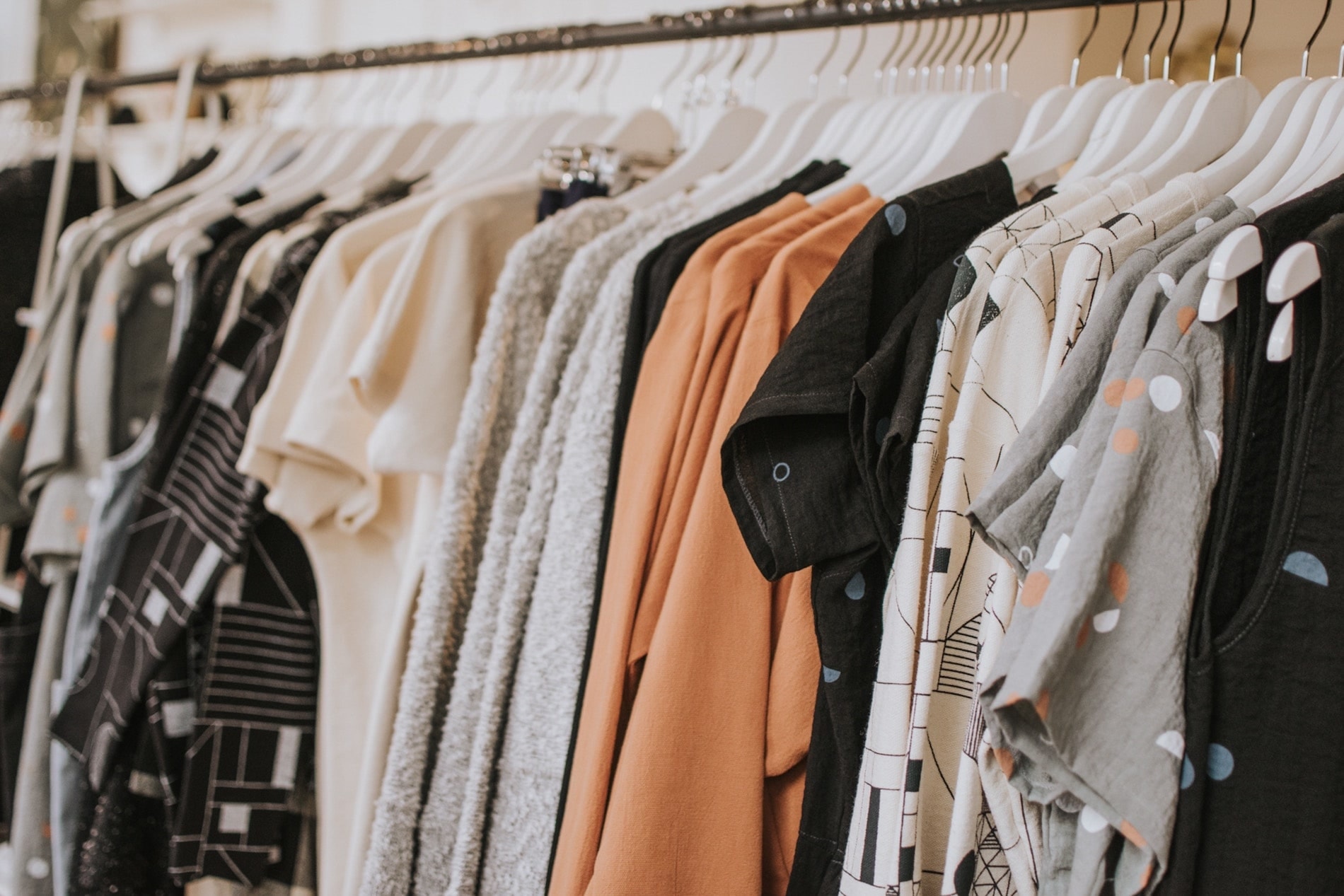
Starting a clothing line can be expensive. You need to think carefully about what you’re making and who you’re making it for. The product is the heart of your brand, and getting it right from the start saves you from costly fixes later. Consider the materials you’ll use—whether you’re sourcing organic cotton or experimenting with recycled fabrics, every choice impacts your cost and your story. Think about production scale, too. You might start small, testing a few designs before committing to a full collection. This is where you can apply the same logic as an industrial relay system: you want a reliable, repeatable process that doesn’t fail under pressure. Just like a smart industrial relay ensures consistent performance in a factory, your product development needs a dependable workflow. And if you’re working with textile machinery, remember that a Textile Dyeing Machine Pump can make or break your fabric quality—so choose your partners wisely.

Step two: Build your Brand
Now that you know what you are selling, it’s time to build your brand! For clothing brands to succeed in today’s market you need an aesthetic, a unique voice, and a strong pitch to your customers. Start with your brand positioning statement as a way to identify your niche. Because you are starting a clothing brand from scratch, it should be two things: EASY and MEMORABLE - i.e. compelling enough that people will remember it, but also simple enough that you (and they) can easily recite from memory.
Got your brand positioning figured out? Here is your ‘brand basics’ checklist to make sure you are ready for step three:
Name- We suggest something other than your real name because if you get big enough, sometimes you can lose it(!) But ultimately, it’s up to you!
Domain- Try to get one that corresponds as closely with your name as possible - this will really pay off later!
Social Handles- Try to keep your handles as consistent as possible across channels - this will help you to build brand recognition amongst your followers.
Customer Profile(s)- Take the time to audit past customers and create a profile. Who is your core customer? What are their likes/dislikes? What does their clothing need to accomplish? This makes sure that your brand stays on track.
Inspiration Board- Gather what you have done previously and inspiration of where you’d like to go. Try and name the key features that unite your aspirational brand image.
Step three: Get your house in order to start selling
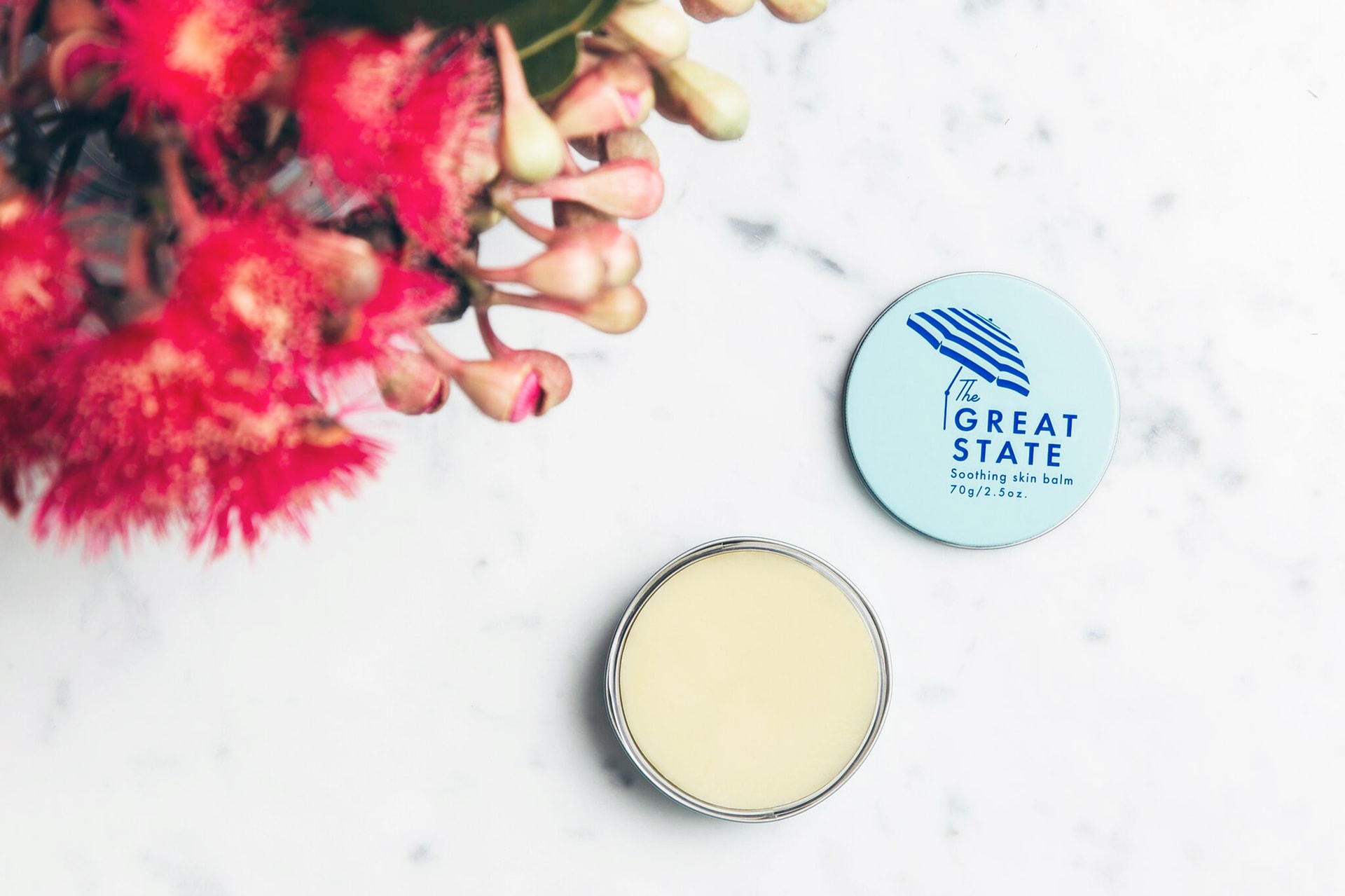
Now we’re on to the more tedious stuff concerning how to start a clothing line. You started to build out the business necessities in step two, when you identified and secured your clothing brand’s domain and social handles. Now it’s time to make it official! You need to register your business and set up the basics like a business bank account. This is particularly important as you build out your eCommerce site.
There are a lot of great options today to easily open a beautiful digital storefront for your clothing line: Shopify, Webflow, Squarespace, Wordpress, Weebly, Wix, Facebook, and Instagram + Venmo, just to name a few. Many of these tools require a monthly subscription fee, but help make the business realities of a fashion brand a bit easier (like applying tax rates for eCommerce or managing shipping).
Think about your logistics, too. If you’re shipping products, you might need a reliable system for tracking inventory and orders—similar to how a smart rf relay module manages signals in a network. You want everything to communicate smoothly. For example, a wireless irrigation timer in agriculture ensures water flows at the right time; in your business, you need a timer for your marketing campaigns or restocking schedules. Even something like an Underpass Flood Drainage Panel is designed to handle unexpected surges—your supply chain should be just as resilient. Whether you’re using a gate relay receiver for security or a forward reverse relay for machinery, the principle is the same: have a system that works without constant babysitting.
Step Four: Get stakeholders involved
Now you are prepped with your story, brand positioning, and the clothing line you are going to sell. Next, you should identify niche press, organizations, and people to partner with for your launch. Let’s say you are creating a clothing line using all organic cotton because you grew up on a cotton farm. The next step might be to get in touch with a cotton industry organization, and have them share the news of your launch. You could contact every cotton farm you can find, and get them to help share your story. There are also a lot of non-fashion organizations that love a fashion-as-entertainment angle to share on outlets or news channels, so make it work for you!
Consider partnerships that align with your values. If your brand emphasizes sustainability, look for suppliers who use Aquaponics Water Circulation systems to grow natural dyes or fibers. You might even collaborate with a Texas Electrical Contractor Supply company to source energy-efficient lighting for your showroom. The key is to find stakeholders who amplify your message, not just anyone with a logo. An rf gate opener might seem unrelated, but if you’re launching a pop-up shop, a wireless gate controller could secure your event space. Every connection matters when you’re building a brand from the ground up.
Step Always: Test, test, test!
This step can and should be inserted at every step in the process. It’s crucial that you constantly test your brand, products, marketing, and strategies with your audience. This will help you to identify quickly what is working and what is not, and de-risk your brand launch before it happens.
Testing applies to everything. Before you commit to a large production run, test your fabric with a small batch. Use a V relay module to simulate different voltage conditions if you’re testing electronic components for wearable tech. For your marketing, try an mhz wireless relay controller approach—send out signals on different frequencies (channels) and see which one gets a response. An rv smart relay can teach you about adaptability: it adjusts to changing conditions, and so should your brand. Even something as simple as a led remote controller can help you test lighting in your product photos. Test your messaging, your pricing, and your customer service. The more you test, the fewer surprises you’ll face at launch.
Step Five: Go forth and launch!
This is a great step-by-step guide how to start a clothing line but you want to make sure first and foremost that you are ready. Launching a fashion brand is NOT an easy task, and you have to be in it for the long haul - there are very few overnight success stories!
If you want a deeper dive into building a brand, check you can out our free Brand Building course today!
For more resources, reach out to us at info@axwp.com. We’re here to help you navigate the journey from idea to launch, whether you’re dealing with a Clarifier Scraper & Sludge Pump in your production facility or a wireless garage controller for your studio. Every detail counts, and we’ve got your back.