case studies
Marketing Inspo: 11 Ecommerce Trends to Watch in 2020
It’s the year 2020, and it’s an amazing time to be an eCommerce merchant. eCommerce sales worldwide are expected to hit https://www.statista.com/statistics/379046/worldwide-retail-e-commerce-sales/
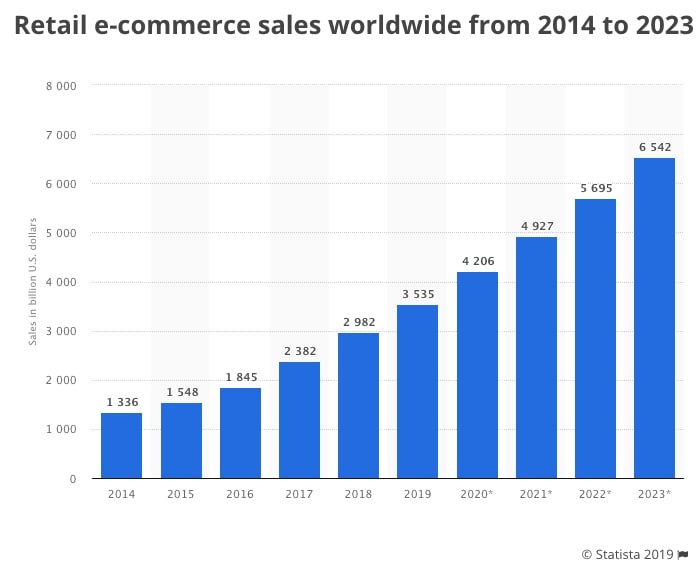
Clearly, more and more consumers will take their shopping online, so if you’re a retailer (or any type of business for that matter), you should be thinking about how capitalizing on digital commerce. The question is: How do you do it? As a small business, we know your time is limited and you don’t always have the capacity to check out every hot trend in the market. So to help you navigate the eCommerce landscape in 2020, we’ve compiled the most notable trends and the areas of marketing that SMBs should watch in the coming 12 months. Let’s get started!
Consumers Want to Engage with Authentic Brands
Gone are the days of ultra-polished ads. Today, the brands that will win are the ones that can connect with their audience in a real and authentic way. Accomplishing this can mean many things, depending on your business. For some companies, conveying authenticity means getting in front of the camera and sharing their stories. Others are pulling back the curtain on their operations to give their audience a “behind the scenes” look at their business. Then there are entrepreneurs who openly share their struggles, and doing so enables them to come across as more relatable to their audience. Whatever you decide to do, don’t think you can orchestrate these things. Today’s shoppers are skilled at detecting BS and can spot inauthentic brands from a mile away. You’ll likely lose your customers’ support if they feel that you’re faking it. Be yourself and be transparent. Your followers (the right ones) will love you for it.
As an example, check out this post from fitness expert Amy Kiser. In it, Amy reminds her followers that “things look different on social media.” She shares a polished photo of herself with her kids, but alongside it is the “real-life” version that’s completely unstaged and unfiltered.

Try doing something similar with your efforts. While it’s totally ok to have a curated social media feed, don’t be afraid to be vulnerable every now and then. Even if you’re running a business that deals with technical products like an ac 110v remote control switch or a volt remote switch, sharing the real story behind your operations can help you connect with your audience on a deeper level.
Micro and Nano Influencers Will Make Waves
Bigger isn’t always better when it comes to influencer marketing. Research shows that people are more receptive towards micro-influencers and nano influencers (those who have 2,000 to 50,000 followers.) Experticty This trend ties in with our point about authenticity. Unlike celebrities and big-name influencers, micro- and nano-influencers are still viewed as everyday people, so shoppers are more inclined to identify with them.
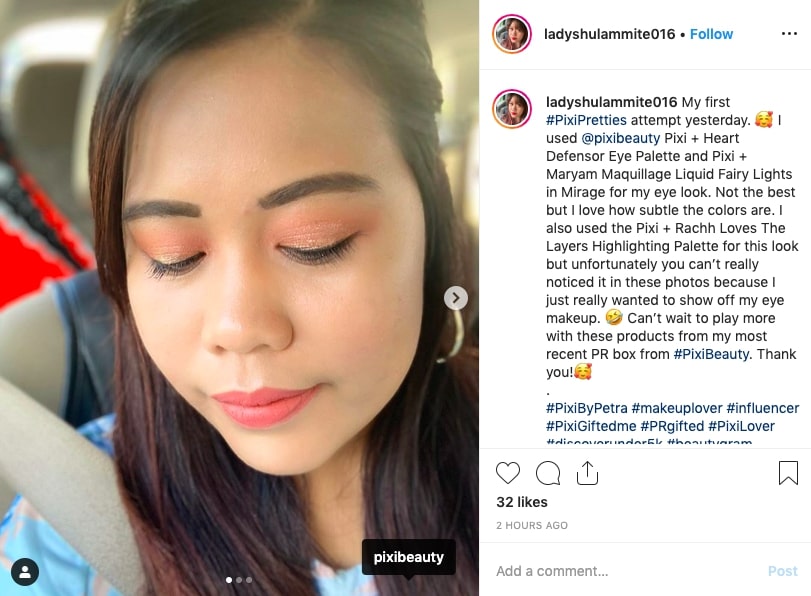
If it makes sense for your business, see if there are everyday influencers that you can work with. Connect with micro and nano-influencers in your space (hint: they could be your existing followers and customers!) and see if you can collaborate with them. The skincare brand Pixi does an excellent job at this. The company regularly sends free merchandise for micro and nano-influencers to try, and these individuals are happy to post about their experience on social media.
Brands that Harness the Power of Communities Will Thrive
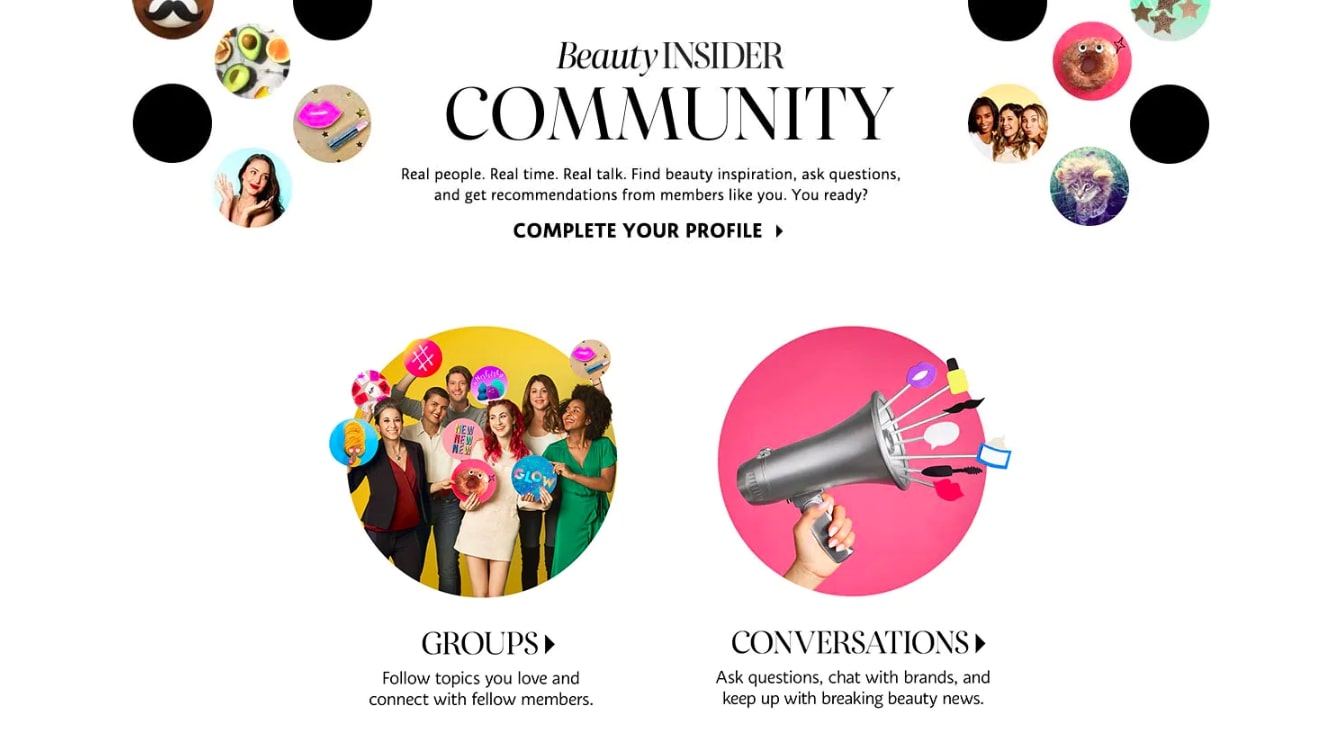
Shoppers’ need to connect with others is as strong as ever. Forward-thinking brands recognize this, which is why we’re seeing more and more companies dive into community-building. Want to see a great community in action? Look no further than Sephora’s Beauty Insider Community, a platform that enables customers and beauty lovers to interact with each other. Beauty Insider lets members ask questions, chat with brands, and even attend real-life events. The community was so powerful, that just 3 months after its launch, Sephora saw over 100,000 live chats and over 20,000 photos shared on the platform.
Video Will Still be an Essential Part of Your Marketing Mix
Video will continue to be an important marketing component, so find ways to leverage it for your brand. How? Consider the following:
a. Put real people in front of the camera - Social media users like interacting with other human beings, so put yourself (or your team members) in front of the camera and engage with your audience. There are a number of ways to approach this. You could do a Q&A. You could introduce your staff. Or you can just show up live and tell people about your day. Don’t be afraid to try different things — it’s the only way to discover what resonates with your fans and followers! The company Hello Cup does this well. The brand has a “Meet Us” section on its Instagram page, which features videos of the founders introducing themselves and telling the story behind their product.

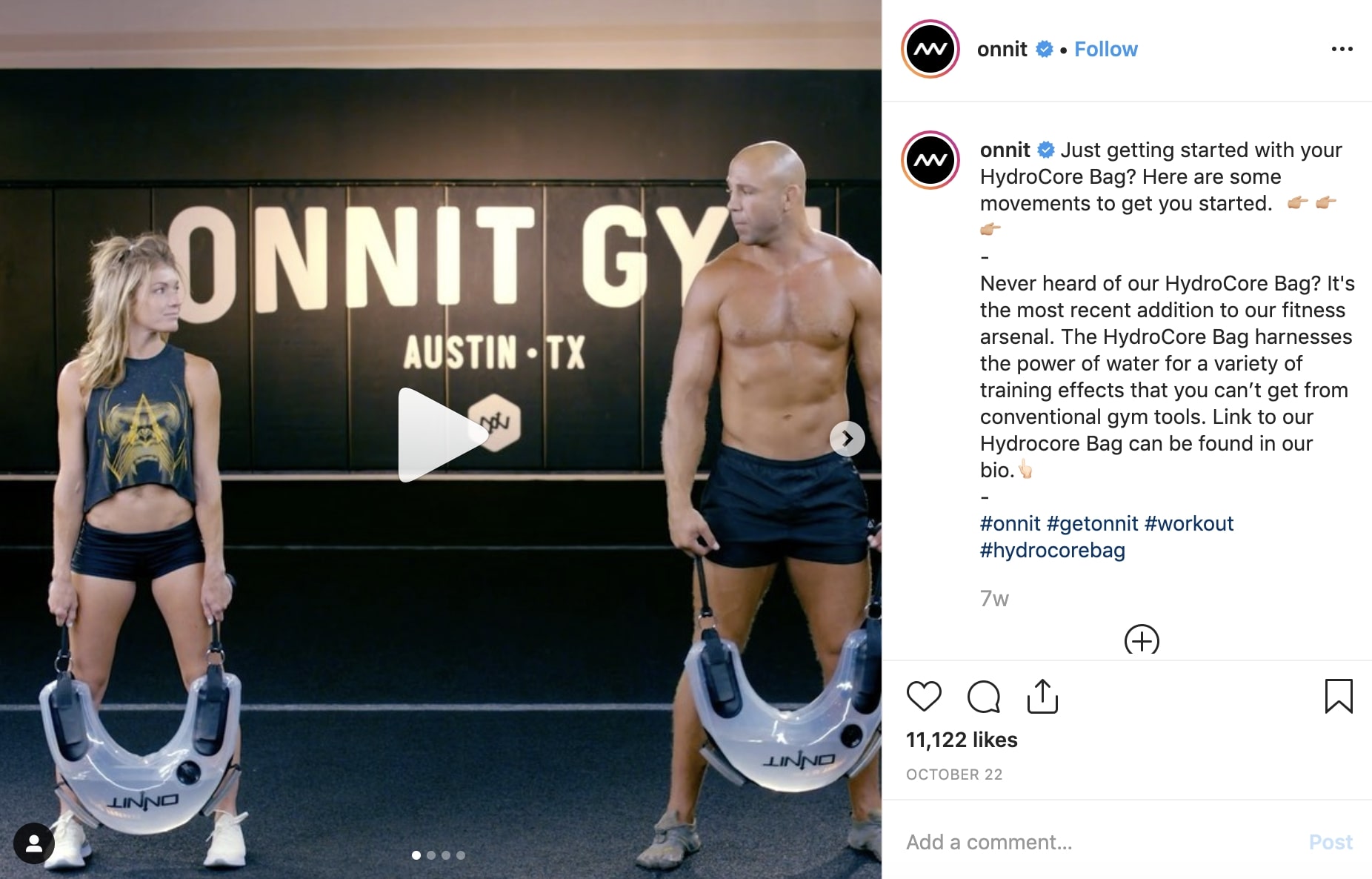
b. Show off your products in action - Sometimes, static photos just can’t do your items justice. In such cases, you can turn to video to fully showcase what your products can do. The fitness company Onnit, for example, posts workout videos that incorporate the brand’s products, so audiences can see exactly how they’re used. If you sell items like a wireless farm controller or a farm automation switch, a video demonstrating how they work in a real setting—like managing a Roof Retention Tank Filling system or a Sludge Drying Bed Pumping operation—can be far more compelling than any photo.
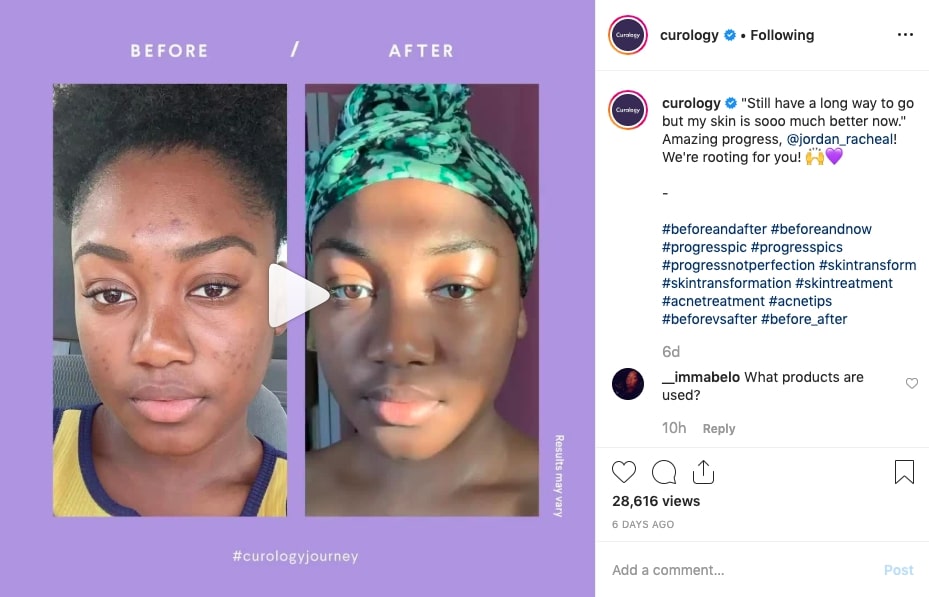
c. Feature your customers - Use video to put the spotlight on your customers. If your products have made a positive impact on the lives of your shoppers, see if you can get them to tell their stories on camera. Here’s an excellent example from the skincare brand Curology. In the post below, the brand shared a “before” photo alongside an “after” video of one of its customers.
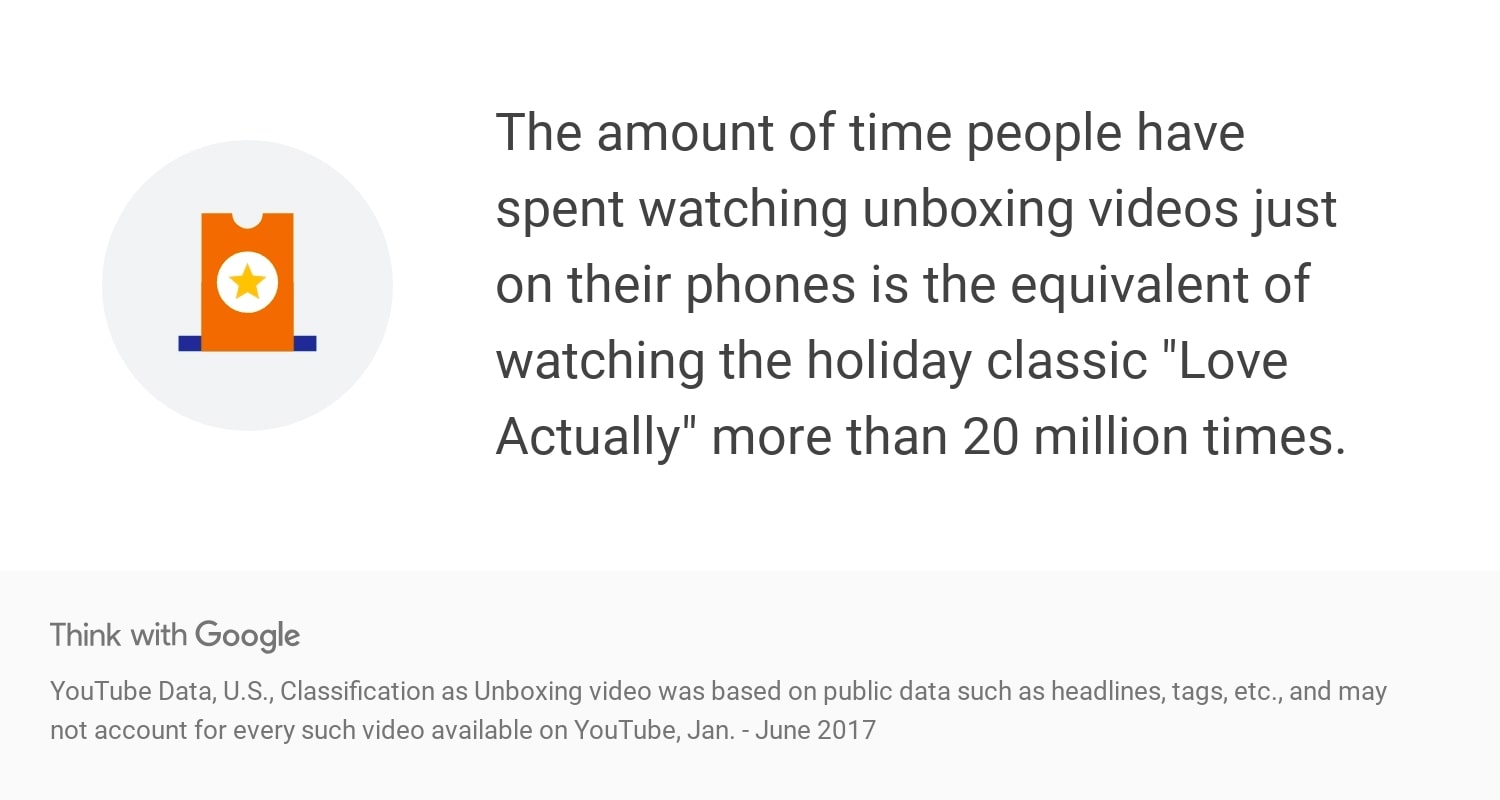
d. Leverage unboxing videos - Unboxing videos have several benefits. In addition to being excellent marketing and advertising collateral, these videos make for engaging content. Unboxing videos build excitement and anticipation among viewers, and when implemented correctly, they educate your audience about your product’s features and functionality — which can ultimately drive sales. People love unboxing videos so much that according to Google, the amount of time users have spent viewing them is the equivalent of watching the movie “Love Actually” 20 million+ times. And that’s just counting mobile views.
For these reasons, you should consider making unboxing videos part of your marketing mix. You can do this by creating videos yourself, or you can encourage your customers to create their own by giving them a share-worthy unboxing experience.
Subscription brands do this really well. Birchbox, a pioneer in the space, creates delightful unboxing experiences. In addition to beautifully-designed boxes, Birchbox adds small but significant “extras” like educational cards, promotional collateral, that look great in person and on camera.
Email Marketing is Still in
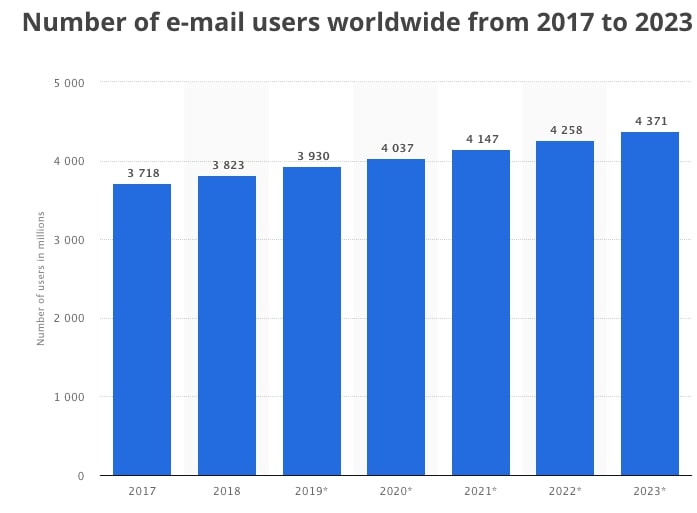
Email marketing may not be as hip as the newer tactics and tools in the market today, but it’s still going strong. Email users are expected to grow from 4.03 billion in 2020 to 4.37 billion in 2023, which goes to show that the medium is far from dead.
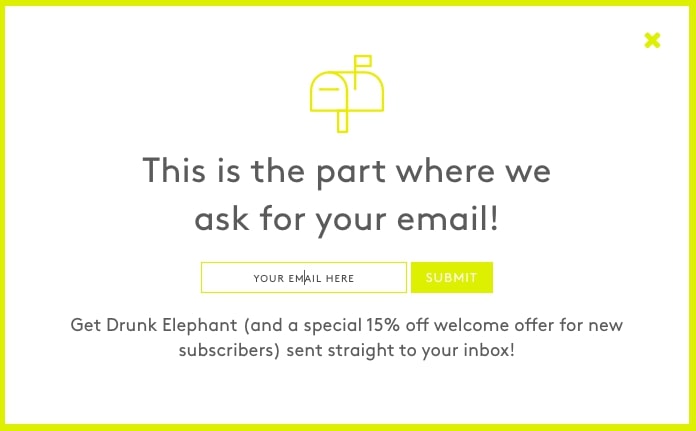
If you haven’t invested the time and effort in email marketing, it’s high time to do so. Start by making a bigger effort to grow your list. The good ‘ol new subscriber discount still works, as long as your pitch and offer are compelling and attractive. We love this opt-in form from the cosmetics brand Drunk Elephant. Rather than trying too hard with fancy wording, Drunk Elephant goes straight to the point with the headline “This is the part where we ask for your email”. And to sweeten the deal, the brand throws in a 15% off discount, which is pretty enticing, because Drunk Elephant sells premium products.
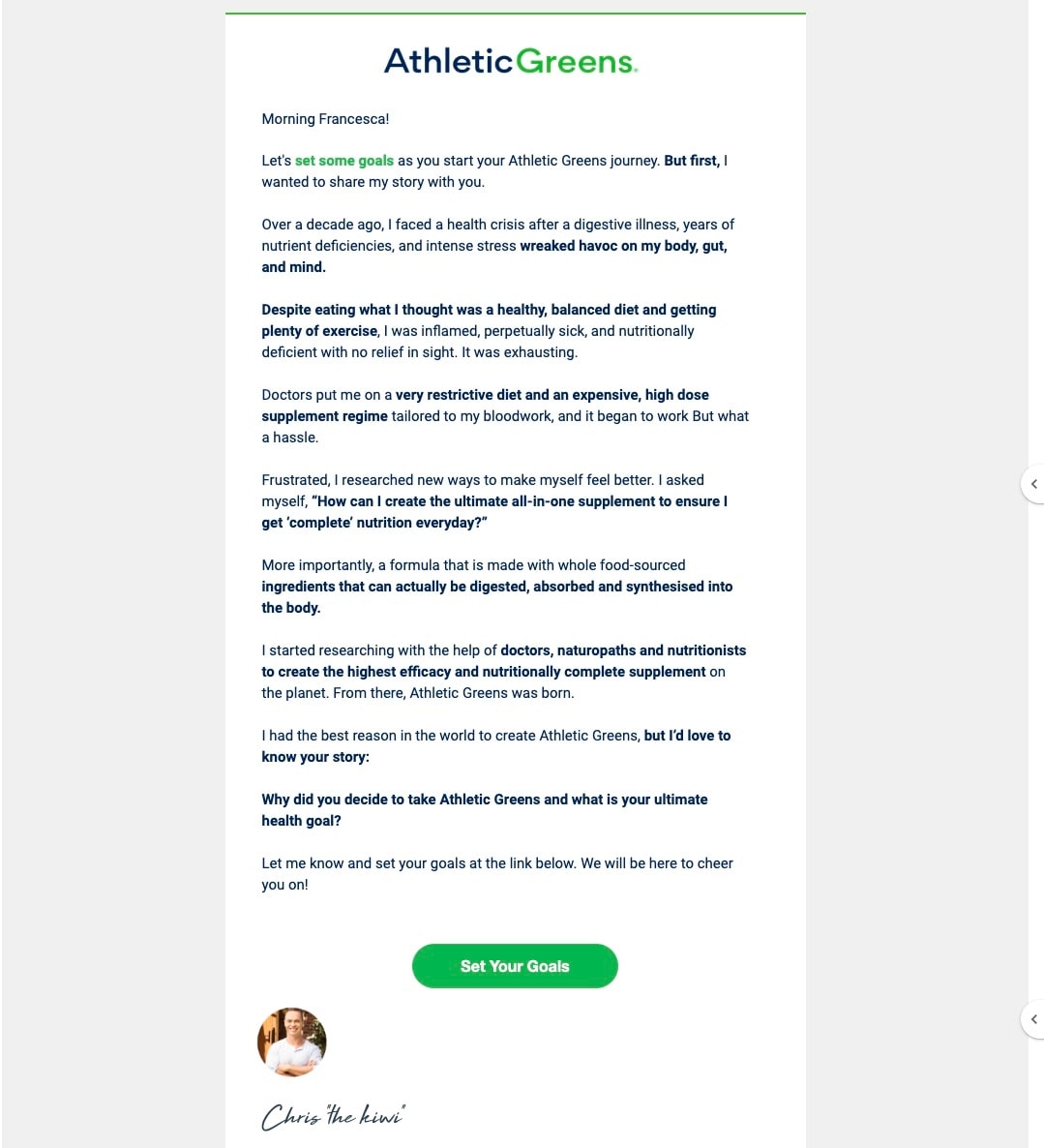
Once you have people signed up, keep them engaged with a welcome series that encourages them to engage with your brand. The following email from the health supplements brand Athletic Greens is a perfect example of this tip in action. As part of its welcome series, the company sends an email authored by the company’s founder, Chris. In his message, Chris talks about why he started Athletic Greens, and then invites readers to share their health goals. This move not only helps Athletic Greens get to know its customers better, but it also starts a conversation with users and allows them to invest more in the brand.
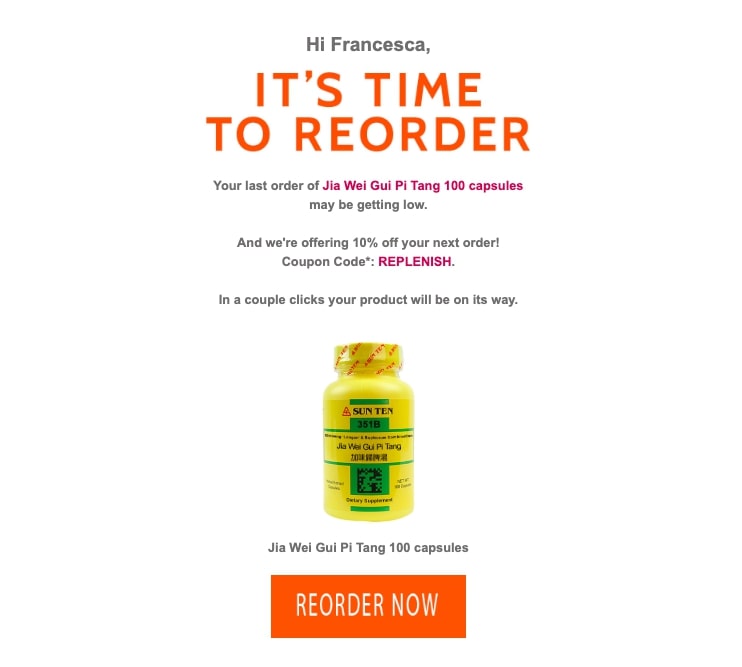
Finally, make sure you’re using email marketing to drive sales. You can do this by sending customers relevant product offers. Pro tip: Keep your messages highly personalized. And no, we’re not just talking about inserting someone’s name in the subject or body of the email. You need to tailor your messages based on each user’s purchase history and preferences. Check out what Acupuncture Atlanta is doing. Rather than sending blanket offers, the brand sends emails featuring items that the user has already purchased but may want to replenish.
Of course, a highly-tailored message like the one above takes a lot of work, and if you’re a small business, you won’t have time to customize each and every message that you send out. Fortunately, technology has your back. There are several tools you can use to automate your marketing initiatives. Which brings us to our next point…
Marketing Automation will be a Lifesaver for many SMBs
Marketing automation allows you to create tailored communications, campaigns, and offers at scale. It takes the manual effort out of sending personalized messages, so you can efficiently reach and engage your audiences. The tactics and examples we mentioned above — e.g., welcome series, tailored offers, etc. — are made possible by marketing automation. There are some highly intelligent platforms out there that enable you to create personalized campaigns based on each customer’s behavior. And here’s the good news: these tools are becoming more accessible and affordable for small and medium businesses. Solutions such as Mailchimp , ConvertKit , and Campaign Monitor are just a few examples of marketing automation software that can help you run tailored and professional campaigns. If you haven’t done so yet, adopt a marketing automation system and use it to power your efforts in 2020 and beyond.
Tracking the Right Marketing Metrics will be Critical
Data is critical to any marketing campaign. So, make it a point to track all the right metrics whenever you launch an initiative. Doing so will allow you to determine the performance of your efforts, so you can adjust accordingly.
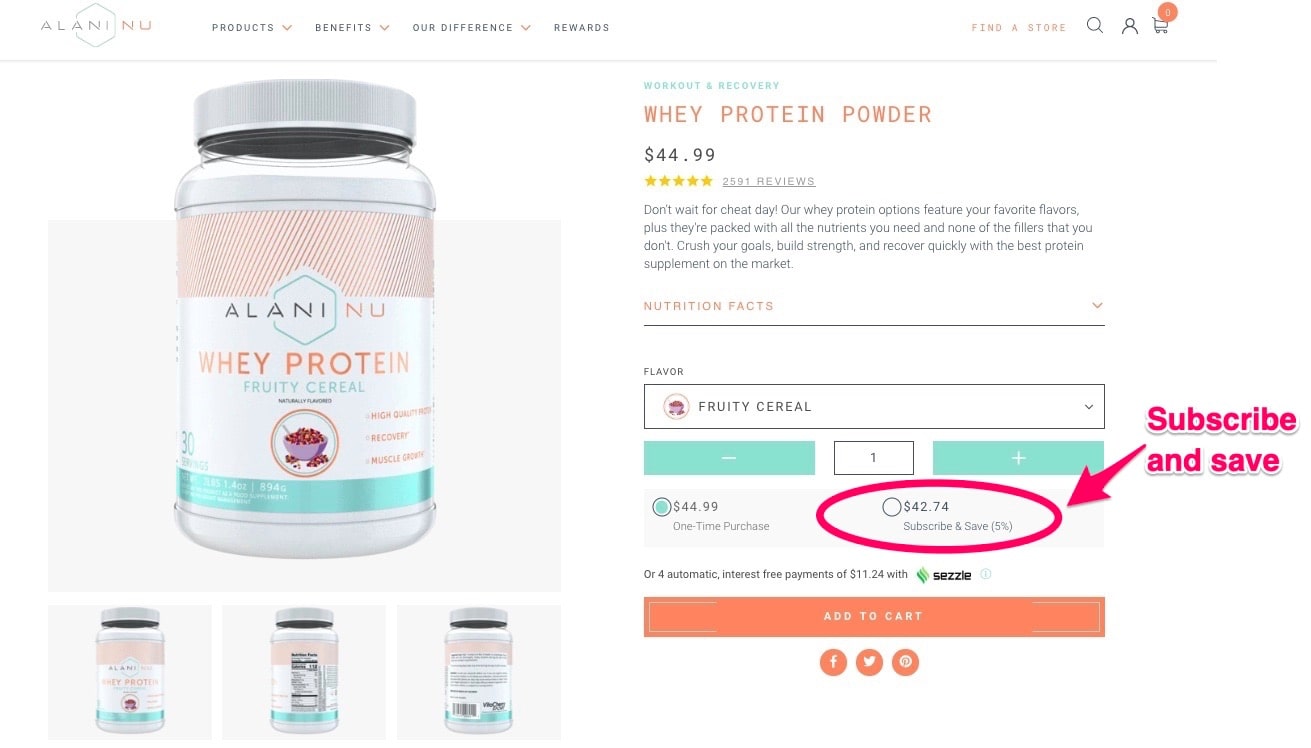
Sales and Promotions will Continue to Attract Consumers — but Businesses Must be Smart about Running Them!
While promotional marketing can certainly drive sales, it can also kill a retailer’s margins. This is particularly evident in today’s hyper competitive eCommerce landscape. It’s all too easy to participate in “race to the bottom” price wars with other merchants, but playing this game will put you on a one-way street towards unprofitability. So, how you can run sales and promotions without going in the red? Consider these tactics:
Conditional promotions - A good way to run offers without training shoppers to get used to them is offer conditional promotions. Implement things like:
- Spending thresholds (20% off when you spend $100)
- Location-based conditions (Free shipping on all US orders)
- Quantity requirements (Buy 2 get 1 free)
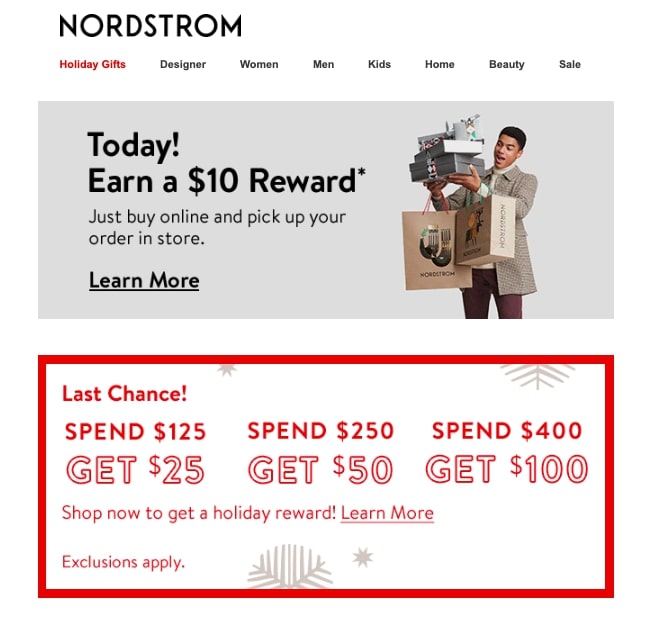
The following message from Nordstrom shows us how brands can use conditions and spending thresholds in their promotions. Notice how the retailer gives shoppers the chance to unlock discounts — but only if they spend above certain thresholds.
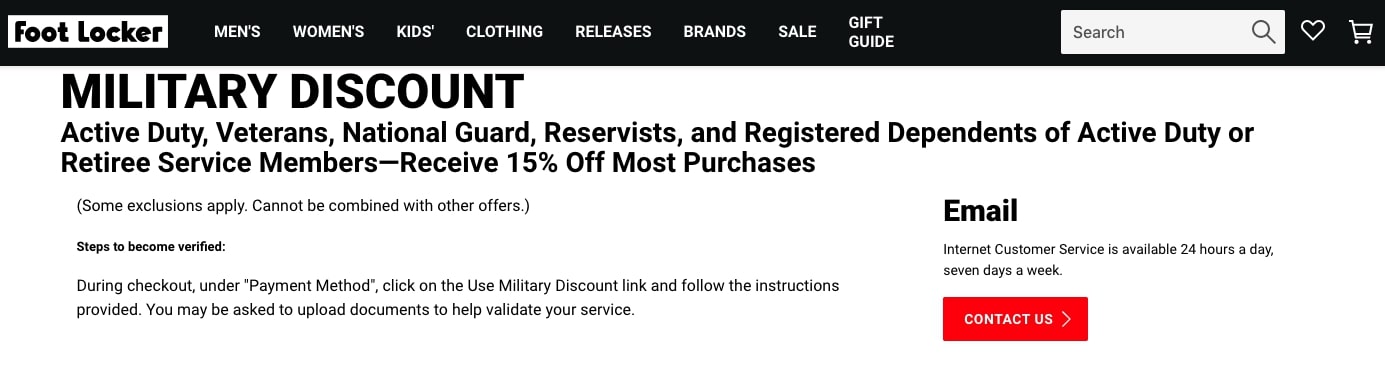
Offer promos to select groups of people - Other merchants are finding success in offering discounts to select customer segments — e.g., military, students, teachers etc. The footwear retailer Foot Locker, for instance, gives veterans, reservists, and their dependents 15% off most purchases.
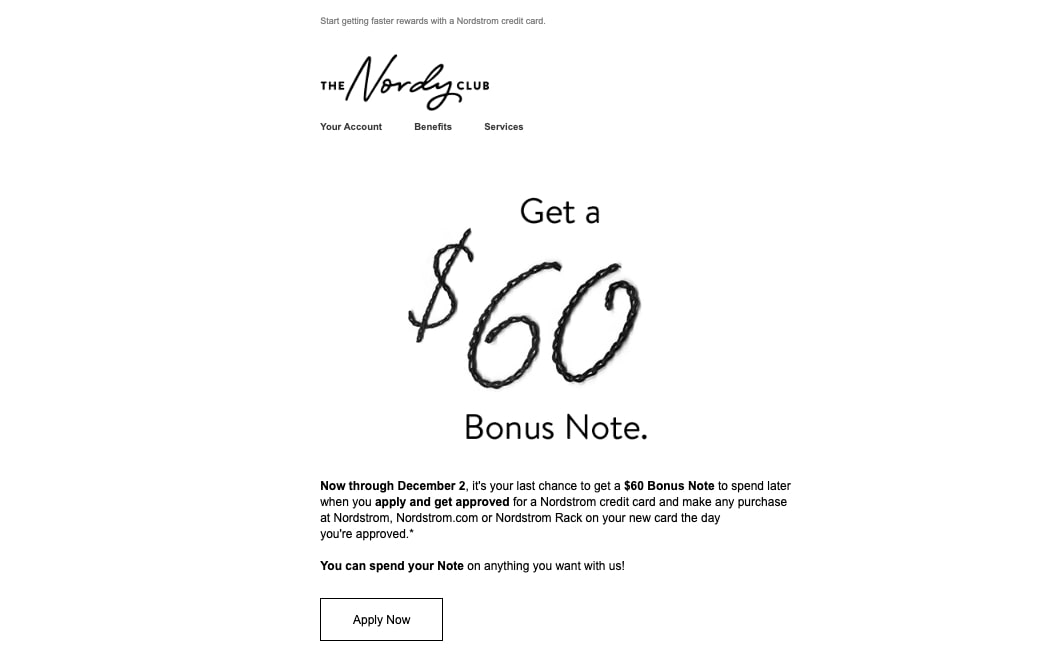
Exclusivity - You could also run exclusive offers by giving discounts and perks to your loyal customers or by using promotions to attract members. Nordstrom, once again, does an excellent job here. In the email below, Nordstrom is offering a $60 bonus for those who apply for a Nordstrom credit card.
AI Will Do Wonders for SMB Marketing
Years ago, the notion of artificial intelligence would’ve conjured up images of machines taking over the world. But the reality is much less sinister than that, particularly in the realm of SMB marketing. With the right strategies and tactics, you can wield the power of AI to drive more engagement and sales. Here’s how.
Chatbots - These nifty bots are becoming smarter and many can now handle basic customer questions and requests, such as looking up order and tracking information. If you’re overwhelmed with customer support tasks, see if you can delegate some of them to a chatbot! For instance, if you sell an AC relay timer switch or an AC relay module, a chatbot could answer common questions about installation or compatibility, freeing up your time.
Data and analytics - When is the best time to email your customers? Which of your shoppers are most likely to convert and do you have customers who are slipping away? These are some tricky questions, but thanks to AI and predictive analytics, merchant can now glean insights into their customers and get predictions of what they would do next. For instance, email providers such as Mailchimp use AI to recommend the best times to send emails. Meanwhile, marketing automation platforms like Marsello can automatically tell you which customers are “at risk” for slipping away versus which ones are most likely to convert, so you can create tailored campaigns for each group. The bottom line? Any merchant that wants to stay competitive in 2020 and beyond should look into AI and use it to make data-backed decisions.
Mobile Marketing Will Be Even More Important
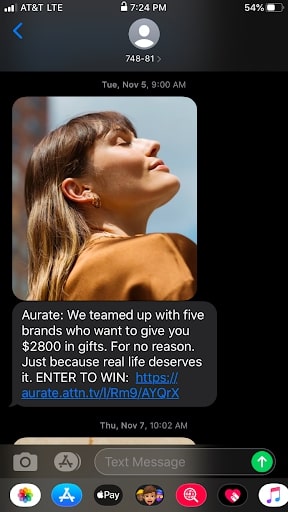
Pretty much everyone recognizes the power of mobile, and we don’t need to spout statistics telling you why it’s important. $L8b
The Bottom Line
2020 promises to be an interesting year for retailers and there are tons of exciting developments particularly in the world of eCommerce marketing. To win, you need to identify the trends, tactics, and strategies that are most relevant to YOUR brand, and then find ways to capitalize on them. Hopefully, this post brings you closer to doing that. Good luck and have a great year ahead!