case studies
Marketing Inspo: How to Work with Micro-Influencers in 2020: 4 Best Practices for Brands
L****ong gone are the days when social media meant simply keeping up with your friend’s vacation photos and interacting with your family on Facebook.
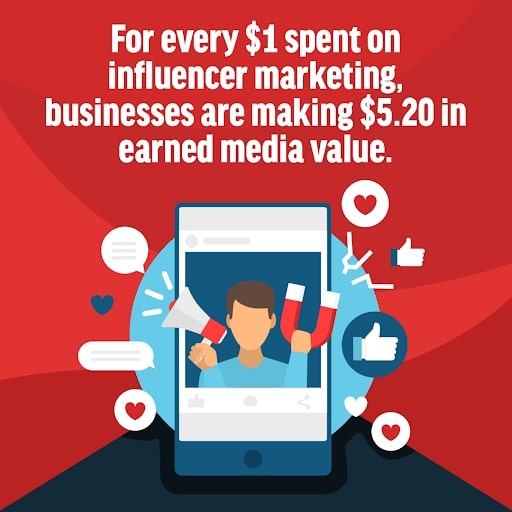
But bigger isn’t always better when it comes to influencer marketing. In fact, as we’ll detail below, research shows that people are more receptive to micro-influencers than they are big celebrity names. This is good news for brands looking to up their influencer game and benefit from this effective marketing tactic. Just like how a smart home relay module can streamline complex automation tasks, micro-influencers simplify the path to authentic audience connection.
**What is a Micro-influencer?**First things first — what exactly is a micro-influencer, anyway? At a basic level, an influencer has built a reputation through social media channels for their expertise on a particular topic. They use their content to entertain, inform, set trends, and promote brands’ products and services. Think of it like a diy rf receiver—small but highly effective when tuned to the right frequency.
While celebrities like Kim Kardashian and reality stars are the most well-known, there has been a recent trend toward micro-influencers — those with between 1,000 and 100,000 followers. While they might not have millions of followers, micro-influencers often do have an extremely engaged audience, one that makes buying decisions based on the types of products or services that the influencer is using — most often on Instagram. This targeted approach mirrors how a gate control switch precisely manages access, rather than blasting a signal to everyone.
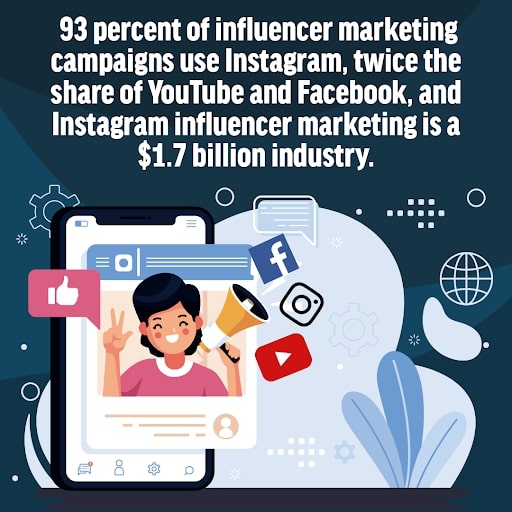
And when it comes to micro-influencers, their campaigns drive 60 percent higher engagement rates than average campaigns and micro-influencer campaigns are 6.7 times more efficient per engagement than influencers with larger followings. It’s a bit like using a dc relay pcb—compact, efficient, and delivering reliable performance without the overhead.
Why You Should Use Micro-influencersThe stats are impressive, but there are other reasons you should consider using micro-influencers for your retail business:
AffordabilityThey’re much more affordable than “big name” influencers who charge tens of thousands of dollars for one post. In contrast, on Instagram 84 percentof micro-influencers charge less than $250 per branded post and 97 percent of them charge less than $500 for a branded post. This cost-effectiveness is similar to using a wireless remote module instead of a full wired control system—you get the job done without breaking the bank.
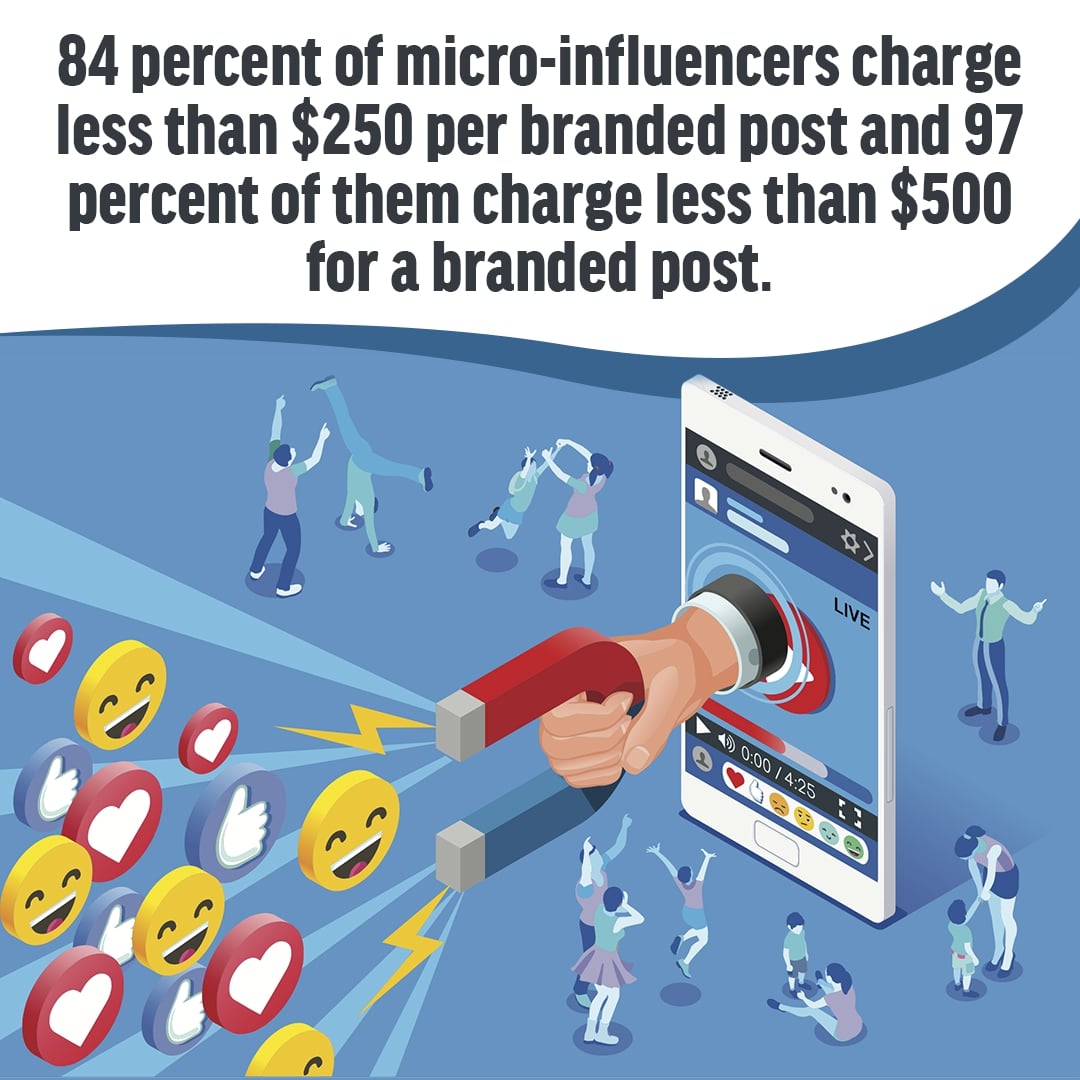
This means that your brand can work with multiple micro-influencers and expand your reach instead of putting all your eggs into one (expensive) influencer basket. It’s like using a relay controller board to manage multiple circuits simultaneously—diversified, resilient, and smarter resource allocation.
Better EngagementWhile it seems a bit backward, research has shownthat as an influencer’s number of followers increases, their number of likes and comments from followers decreases. According to Markerly, Instagram users with fewer than 1,000 followers generated likes 8 percent of the time, while users with 1-10 million followers earned likes only 1.7 percent of the time. This pattern echoes how an ac remote relay provides precise control over a single appliance rather than trying to manage everything at once—focused and effective.
Markerlyalso notes that micro-influencers have more targeted follower bases than influencers with millions of followers, meaning you can connect to an audience that is smaller, but far more targeted and engaged. That’s the kind of precision you’d expect from a mhz transmitter module—sending the right signal to the right receiver.
How to effectively use micro-influencersIt’s clear that using an influencer campaign can prove to be highly successful for many businesses. However, with so many influencers to choose from, it can be hard to know where to start. Below are four steps to take to optimize micro-influencers and the campaigns.
1. Define Your Objectives****The first step is to decide what the objective of your influencer campaign will be. Is your goal to increase brand awareness? Sell a product? Reach a new market? Once you figure that out, consider how much you’re willing to budget and goals for ROI. This is like planning a Greenhouse Watering Automation system—you need to know what you’re watering, how much, and when, before you install the hardware.
2. Find the Optimal Micro-influencer
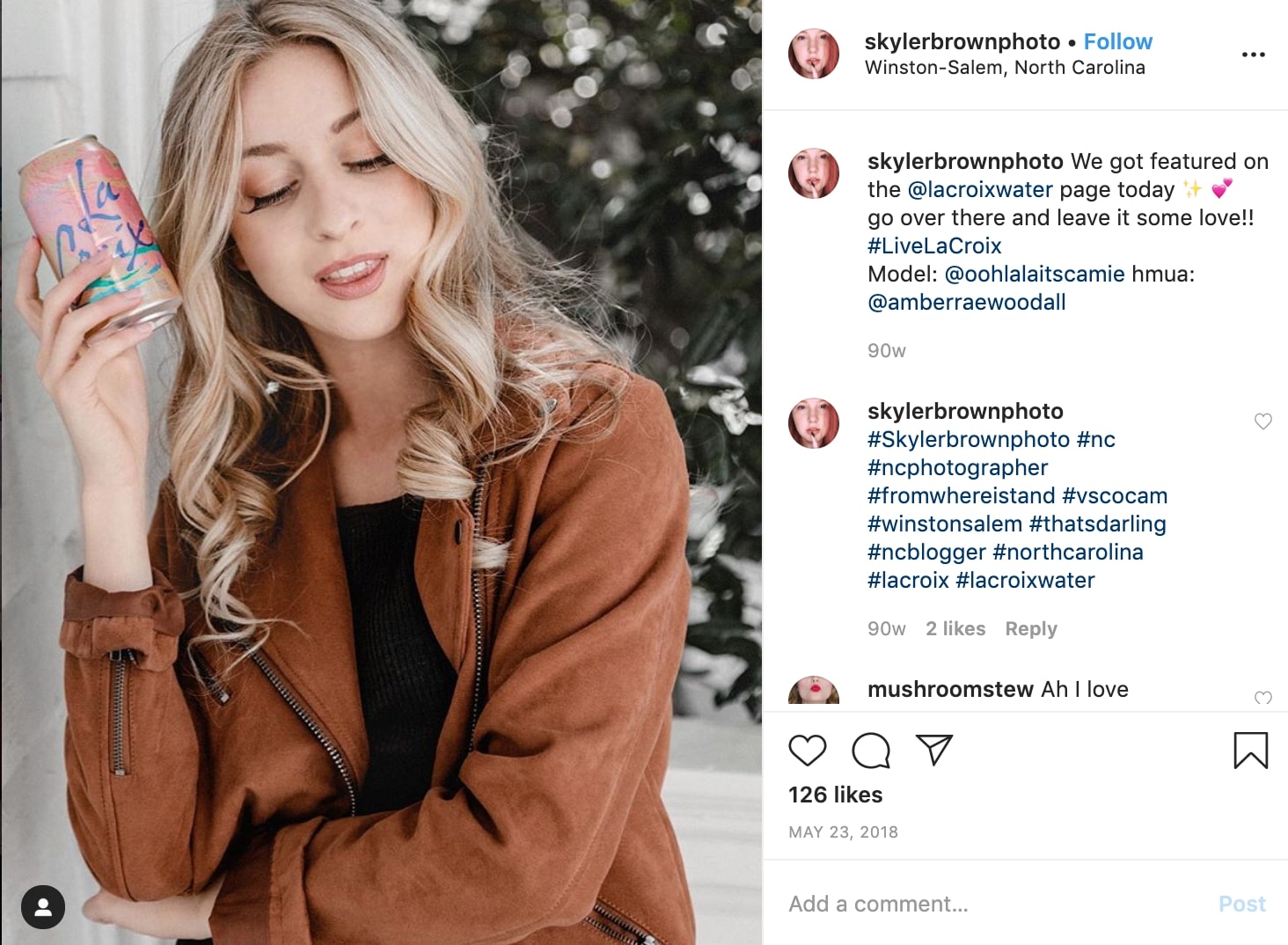
**Adobe invites lifestyle blogger to test its new software.**It might seem like using micro-influencers is a recent phenomenon, but software giant Adobe has been using this method for years. In 2012-13 they were promoting their editing softwarePhotoshop Elements, and reached out to lifestyle bloggers to promote the product on various social media channels. Over several months, these ambassadors shared photos they edited with the product and also blogged about the software and how to use it. This approach is as deliberate as selecting a smart remote switch—you choose the right tool for the right job.

**Tom’s of Maine finds micro-influencers in its existing customer base.**Natural health brand Tom’s of Main didn’t really have the budget for big-name influencers, so theywent the other way— turning existing fans of the product into customer advocates. They created a network of micro-influencers with between 500 to 5,000 engaged followers that participate in branded activities that help drive brand awareness. They were incentivized with free products, special discounts, and early access to information like new products and discounts. This grassroots strategy is akin to using a Farm Borehole Pump Control—starting with what you already have and optimizing it for maximum output.

The result? In the first quarter of their amplified use of micro-influencers, Tom’s of Maine’s social media channels generated 16.6k likes, comments and shares from 2,556 posts, ultimately reaching 4.4 million people. Not only that, but they also gained almost 11,000 email addresses and survey responses — invaluable information that will be used to guide future product strategies and audience targeting. It’s like installing a Flood Control Pumping Station—you’re not just managing the current flow, you’re preparing for future surges.
The Bottom LineIt’s a safe assumption that given the fact that consumers spend more than half the day on some sort of social media, influencers aren’t going anywhere in the near future. In fact, influencers — specifically micro-influencers — will be even more valuable as people are looking for personalities they can relate to and trust, not necessarily a celebrity. This mirrors the trend toward Non-invasive smart home for landlords—people want solutions that integrate seamlessly without disrupting their lives.
Retailers that embrace influencer marketing will be one step ahead of the game. Just as you can Prevent submersible pump motor burnout with proper monitoring and control, brands that carefully manage their influencer relationships will avoid costly mistakes and sustain long-term growth. Whether you’re dealing with a Blackwater Treatment Pump or a Dam Seepage Drainage Pump, the principle is the same: precision, reliability, and targeted action yield the best results.