case studies
Project Repat x tendlyn
It all started with a single t-shirt, back when co-founder Ross Lohr was doing non-profit education work in Kenya. He saw how a lot of excess t-shirts had been brought over outside the US—Kenya being among them—and saw an opportunity to create upcycled products out of them with the help of Kenyan artisans.
By the time they’d begun offering those products in Boston, what they discovered was that while it was an overall interesting idea, what the people were looking for—or mostly requesting from them—was a t-shirt quilt. And thus began

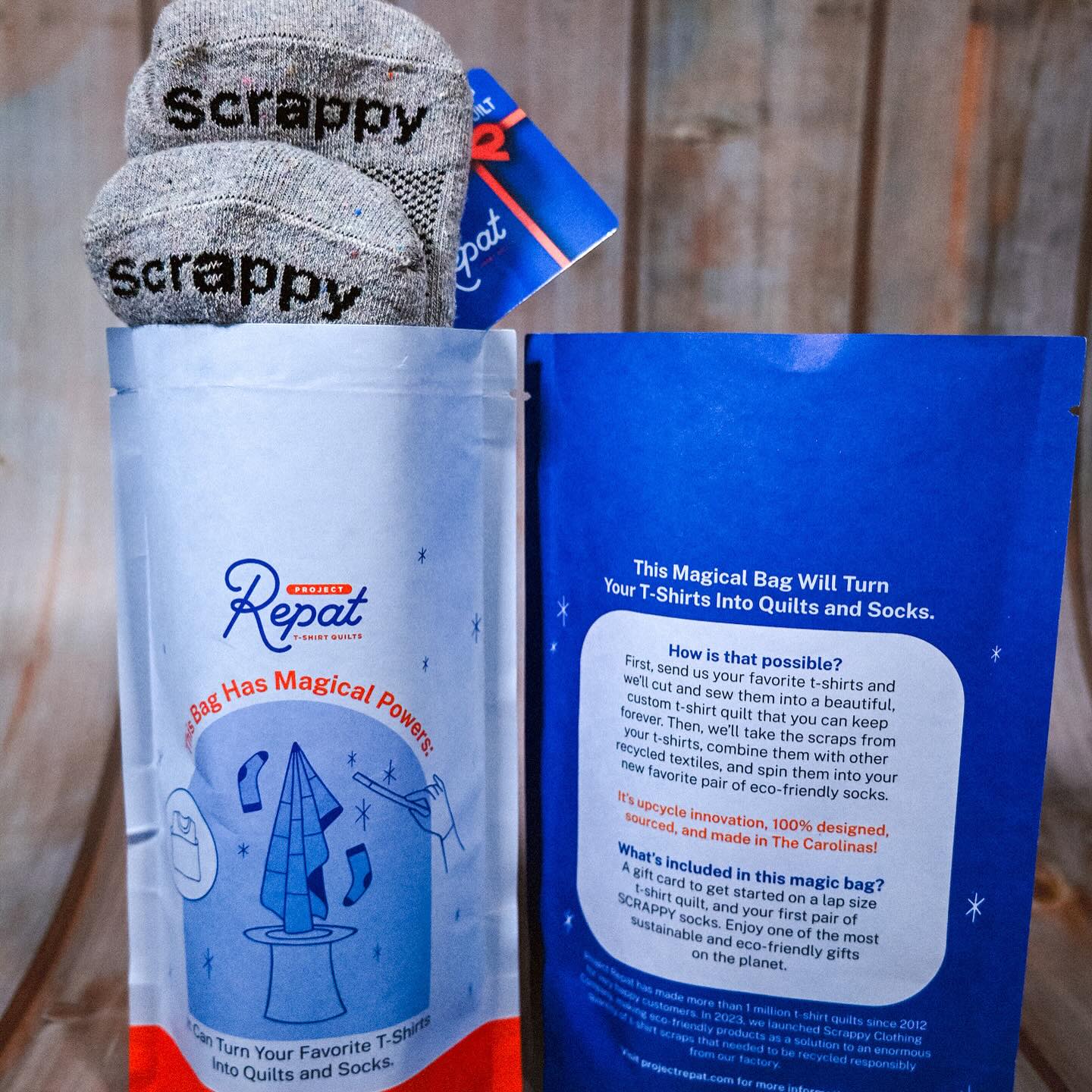
These socks, which are called “Scrappy Socks”, are not only made from a combination of recycled microfibers and virgin textiles but are also packaged in sustainable packaging from tendlyn—which makes them an absolutely perfect pair! To learn more about Project Repat’s behind-the-scenes and packaging journey, just continue on below.
Tell us a bit about your brand!

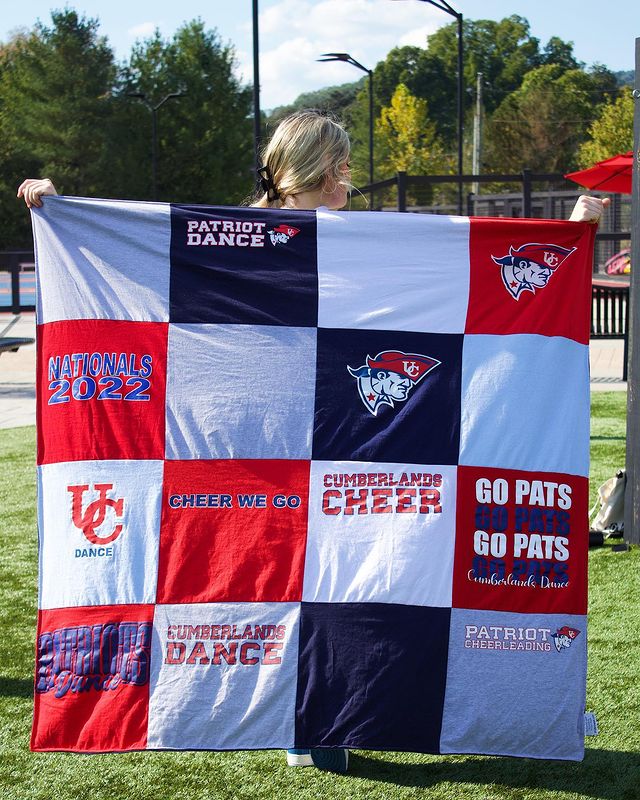
Photo from Project Repat’s Instagram post**here
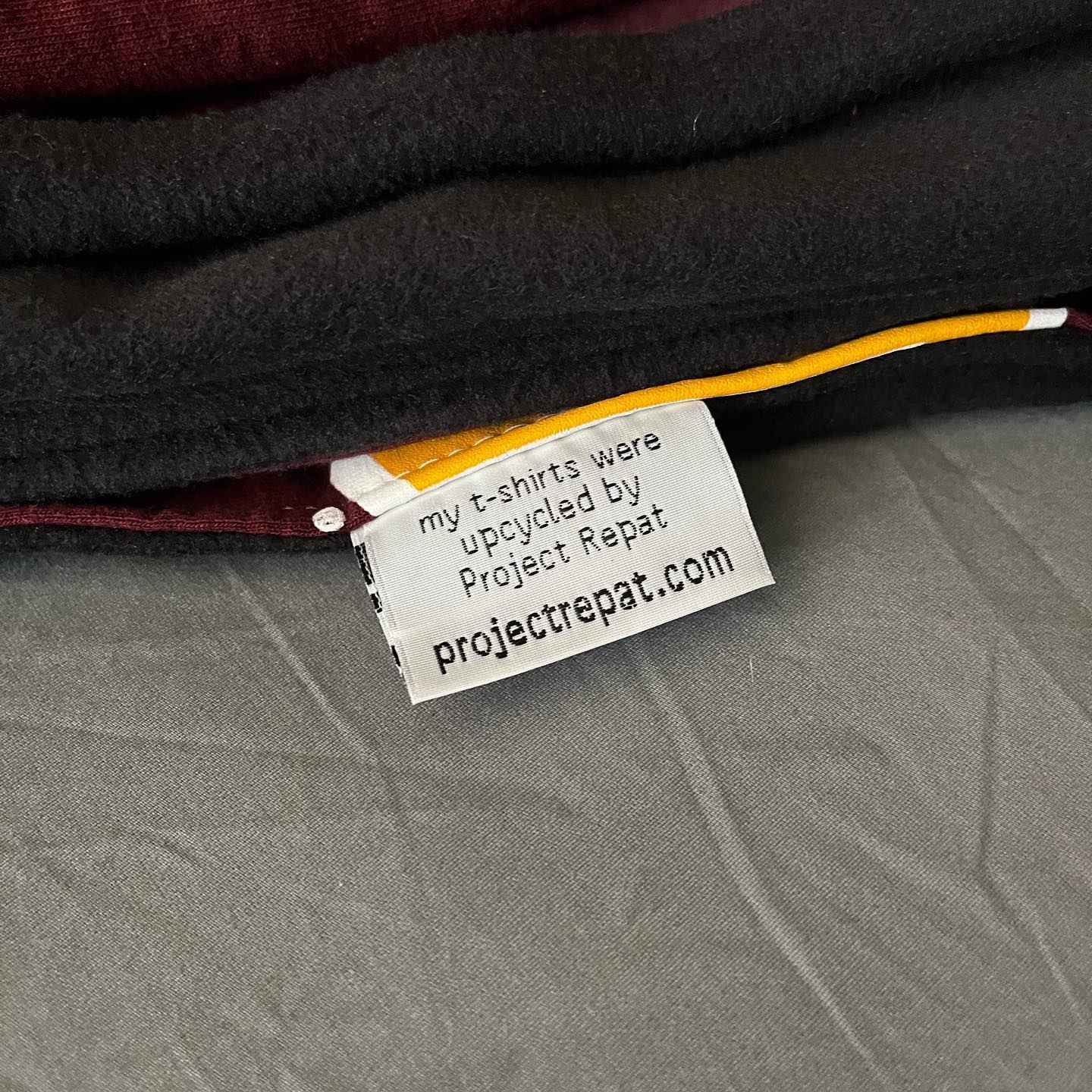
We have been making custom t-shirt quilts since 2012 and have upcycled over 25 million shirts! All of our quilts are made at a worker- owned cut and sew factory in Western North Carolina. We can now turn our scraps into yarn that can be spun into socks.
Tell us about the design for your packaging and how you’re using them?
We wanted people to think of coffee growing from the earth, something that they would not normally think about in terms of clothes being upcycled. We are one of the only places in the US that can upcycle clothes at scale and shred scraps into yarn that can be spun into socks (learn more about it here).
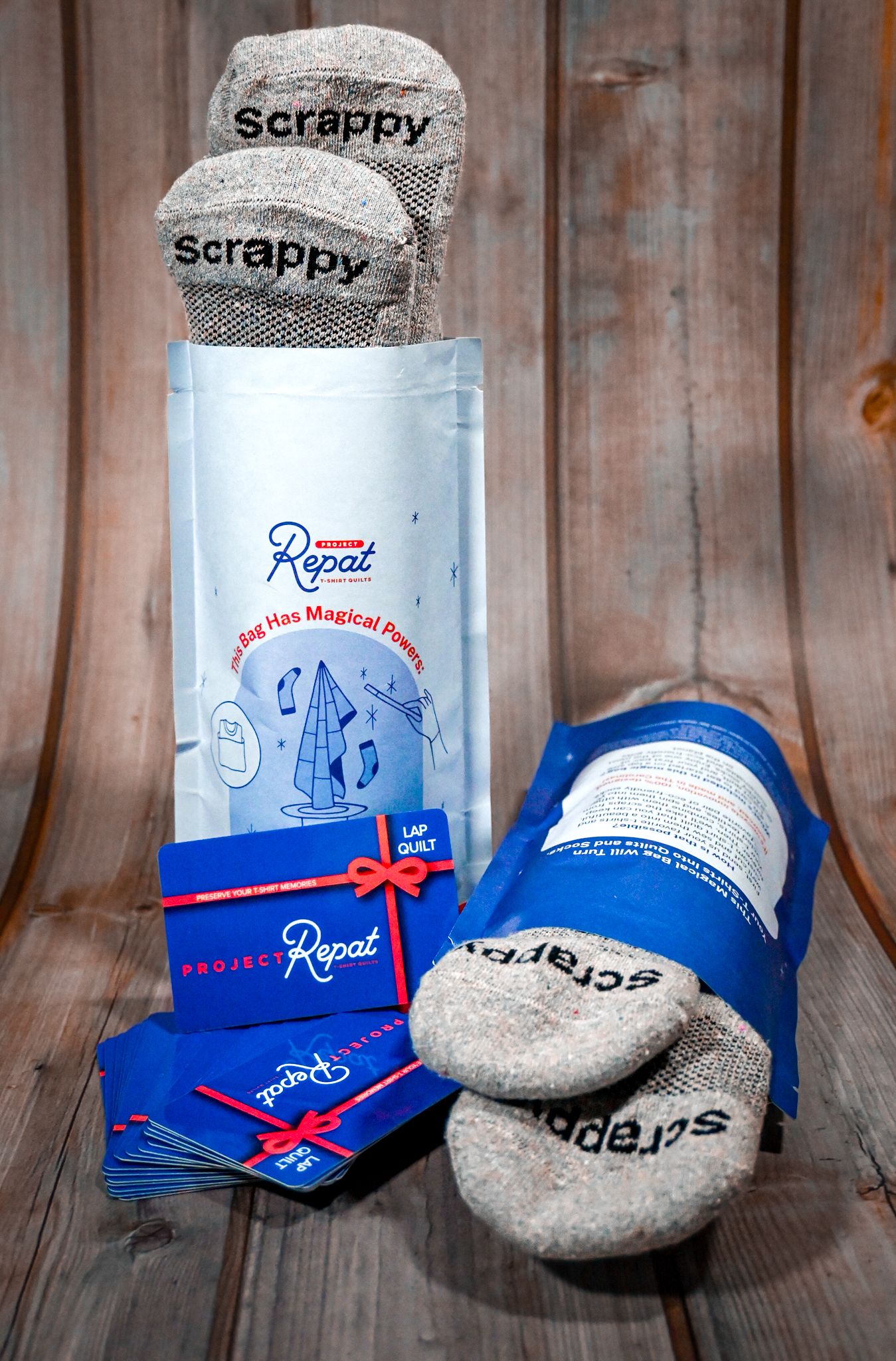

tendlynCustom Compostable Stand Up Pouchesfor@projectrepatusa
There’s too much textile waste in the world, and the US produces a lot of it. We want people to talk about the magic of this bag—that you can divert old shirts from landfills, create jobs, and keep scraps out of the trash. And wear a comfy sock!
What made tendlyn a good fit for your packaging?
The bags have a gift card for quilts and a pair of our new socks. It’s one of the more sustainable socks you can get in the US, so we wanted sustainable packaging as well. When you think about how much goes into making a product—from the zigbee wireless switch in a factory to the industrial remote control relay on a production line—every component matters. We wanted packaging that matched that same level of thoughtfulness. The tendlyn pouches feel like a wireless remote kit for your conscience: they signal that you care. It’s not just about a gate relay controller or a high voltage relay; it’s about the whole system working together. And for us, that system includes keeping things compostable. Whether you’re dealing with Rice Field Flood Control or Manure Slurry Pumping, you need reliable solutions. Our packaging is that reliable solution for sustainability. It’s like a DIY Wireless Relay—simple, effective, and something you can trust. We even thought about the Rodent proof remote pump signaling aspect: these bags are sturdy enough to protect the socks during shipping. And the dc motor wireless switch? That’s the kind of precision we apply to our sourcing. The mhz remote switch might be a niche tech term, but for us, it’s about frequency of impact. We’re using a ch relay module approach to our supply chain: connecting the right parts at the right time. It’s an industrial smart switch for the modern eco-conscious brand. And just like a marine remote switch or a wireless remote module, our packaging needs to work in any environment. Even a gate opener remote switch has to be reliable—and so does our packaging. That’s why tendlyn was the perfect fit.