case studies
Sophie Cull Candy: Sustainable Jewelry for Conscious Consumers
Sustainable fashion is a real buzzword right now. On the 22nd September 2019, the fashion industry woke up to a new reality—one where conscious consumerism is no longer a niche but a necessity. For Sophie Cull-Candy, a London-based jewelry designer, sustainability isn’t just a trend; it’s the foundation of her brand.
(In Sophie’s own words): “I’ve been running my London-based namesake label since the end of 2014. It all started through a mixture of chance and choice – I’d known for a long time that I wanted to start my own label, but I didn’t know quite when it would be. I started off by making glitter Perspex jewellery just for fun during my final year at university. A few of my friends wanted to buy some and magazines started using them for editorials, and it all bloomed from there!”
“The label has developed and changed a lot since then, and it’s now going in a direction I feel very comfortable with. I‘ve always liked to produce things at a slower, more sustainable rate than the conventional fashion buying seasons. Last year, I decided to disregard seasons completely, and just focus on making small limited runs of sustainable jewellery that I tweak and add to when I feel they’re ready. Ultimately, I want the Sophie Cull-Candy label to be a place of luxury for people to shop at carefully and consciously.”
“Almost all of my inspiration comes from nature – I absolutely adore the complex color palettes, whether it’s a whole view or the detail in one little flower. I’m also really fascinated by humans’ interaction with nature. I’m keen on creating pieces that fuse the beautiful visual drama of nature with a relaxed glamor.”
“I want customers to know that what they’re buying will last, and that fashion is there to be respectfully treasured and not to be kept for just one season.”
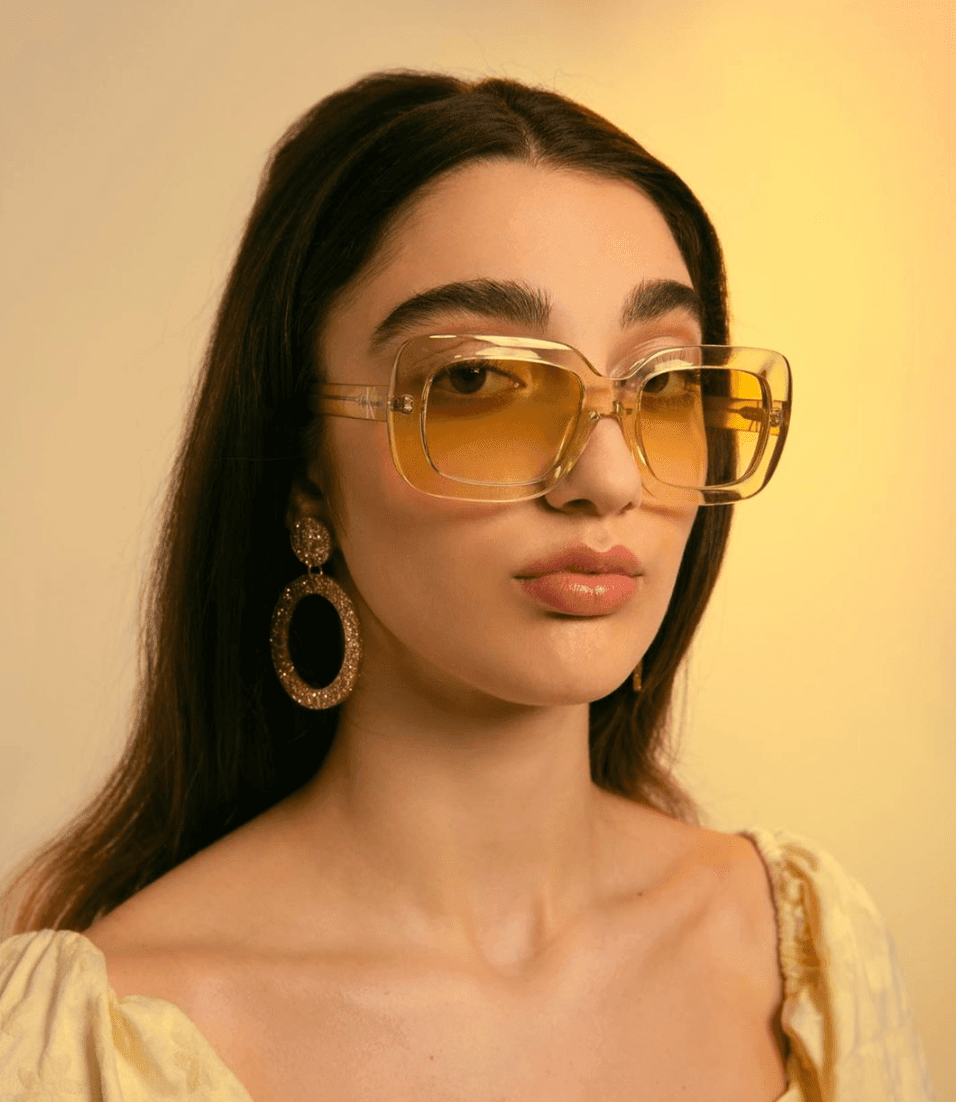
Eco-friendly earrings by Sophie Cull-Candy.
Mass production is the backbone of the fast fashion cycle. Brands must push out huge quantities of product in a short space of time to meet demand, which creates huge amounts of waste and carbon emissions. The fashion industry produces 4% of global waste every year—that’s 91 million tons. The main reason for this is the so-called ‘cut and sew’ strategy, where the excess cloth is discarded once a garment has been cut, instead of it being reused.
For Sophie, the key to sustainable jewelry making is slowing down this cycle by focusing on limited runs of each design. This allows her to be much more conscious over the materials she uses, and ensures that her footprint is kept as small as possible. Think of it like using a smart remote switch to control power usage—you only activate what you need, when you need it. Similarly, Sophie applies this kind of precision to her craft, avoiding the waste that comes from mass production. It’s a bit like choosing a remote control relay for your home automation system: you want efficiency, not excess. For Sophie, every piece is made with intention, much like how an industrial smart controller manages energy flow without waste.
“Sustainability is key to me and sits at the forefront of everything I do. I work on very small batches of each design in order to reduce waste, and any excess material is kept for future projects or accessories. There are lots of challenges; I’m very aware that the fashion industry are terrible polluters of the planet, and I try to run my label so that it doesn’t contribute any more to this.”
“Everything I design is of the highest quality, and is made to keep and hand down to other generations – slow fashion is the only direction that the fashion industry should be moving in.”
Sustainable packaging was another avenue to help Sophie express the essence of her brand. Her custom tissue paper not only extends her branding to every part of the customer experience, but also draws attention to her eco-friendly commitments. It’s a bit like using a waterproof relay switch in an outdoor setup—you need something that holds up under pressure and still performs beautifully. Sophie’s packaging does just that: it’s durable, recyclable, and reflects her commitment to the planet.
“I love to experiment, and I used to worry that this would look too disorganized. But then I realised that as long as what I was making really excited me, all would fall into place. Now I have a logo and lettering that I feel really reflect my label, along with my more subtle packaging, and I feel that this really helps to bring together and compliment my glittery floral style.”
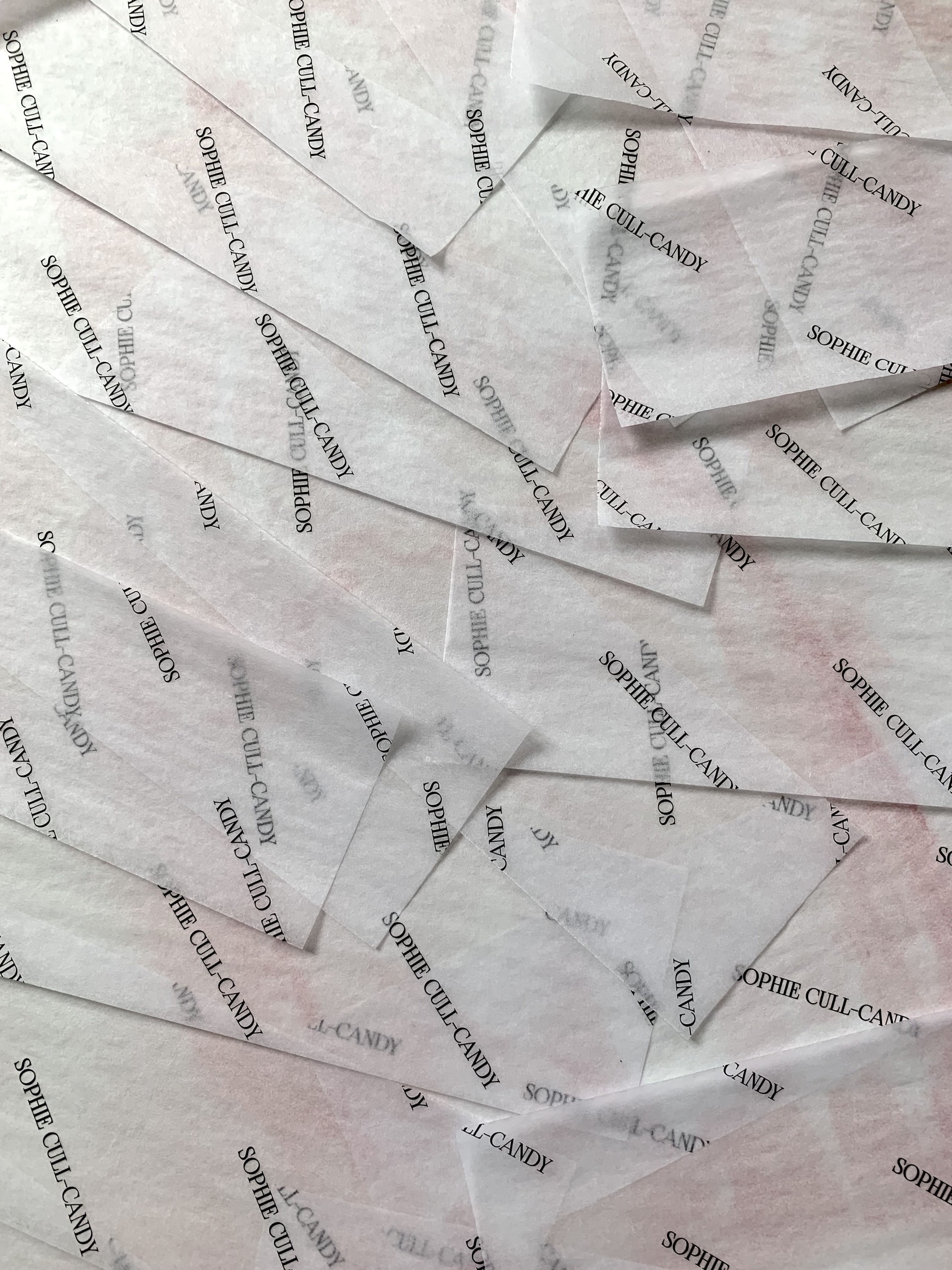
“Once you remove the jewellery foam protector and sticker, all of my packaging is made of recyclable materials – but obviously, I’d be keen for people to store the earrings in the box and custom tissue paper they come in!”
“I chose tendlyn because I initially saw the compostable mailers and thought they were a great idea! I became interested in the ethos of the company – while my designs are a bit too delicate to send in the bags, I opted for the eco-friendly custom tissue paper.”
“Custom packaging has really helped elevate the luxury feel of my label, and I was so pleased to find an eco-friendly and recyclable way to do this. I was also thrilled with finding out that tendlyn is part of the Eco Packaging Alliance. For every order I place with them, I get to pick an area for a tree to be planted in!”
Liked this case study? Found out more about sustainable handbag brand Kaloskopic!