case studies
Sustainable Packaging: Keeping it Green
Sustainable packaging. Two words that don’t always go hand-in-hand. Packaging waste is a massive global problem, and one which your business probably doesn’t want to contribute to! So, https://www.tendlyn.com/blog/what-is-green-packaging/
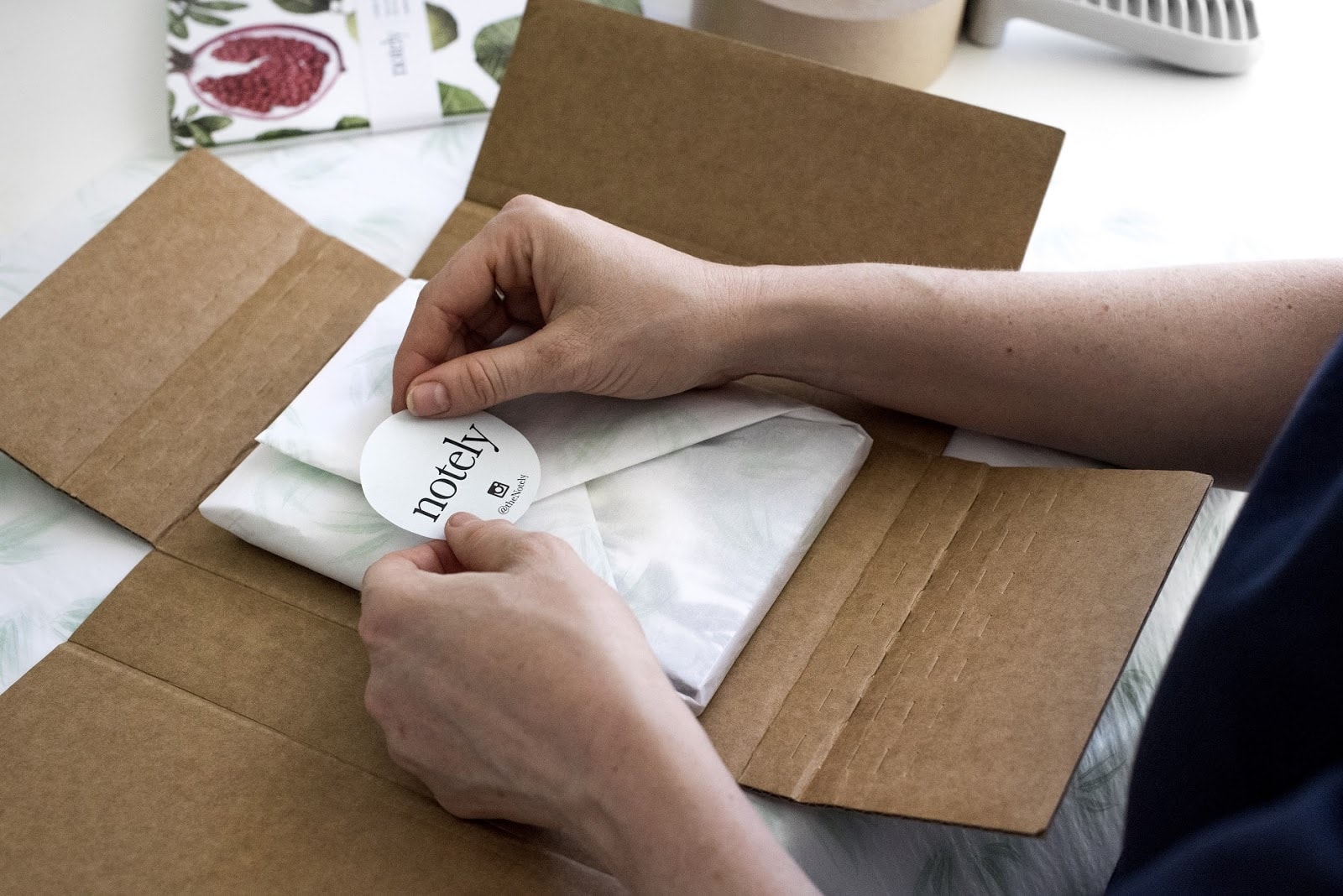
Sustainable packaging as a competitive advantage
Thankfully, times are changing. Consumers are growing much more conscious of the environmental impact of their purchasing habits, especially online. According to a study by McKinsey, over 70% of customers were willing to pay a so-called ‘green premium’ for a product if it came in eco friendly packaging. There is also plenty of evidence to show that going green in your packaging design can actually benefit your brand.
BBMG’s Conscious Consumer report discovered that 87% of consumers in the United States saw themselves as more likely to buy from brands committed to environmentally friendly practices. So as such a tangible marketing asset, packaging has become increasingly inseparable from brand identity and eco friendly attitudes.
On the flipside, brand owners may be at risk of damaging their business profile if they don’t use sustainable packaging. For example, if your packaging materials can’t be easily recycled (or composted!), your customers are likely to be more frustrated than excited.
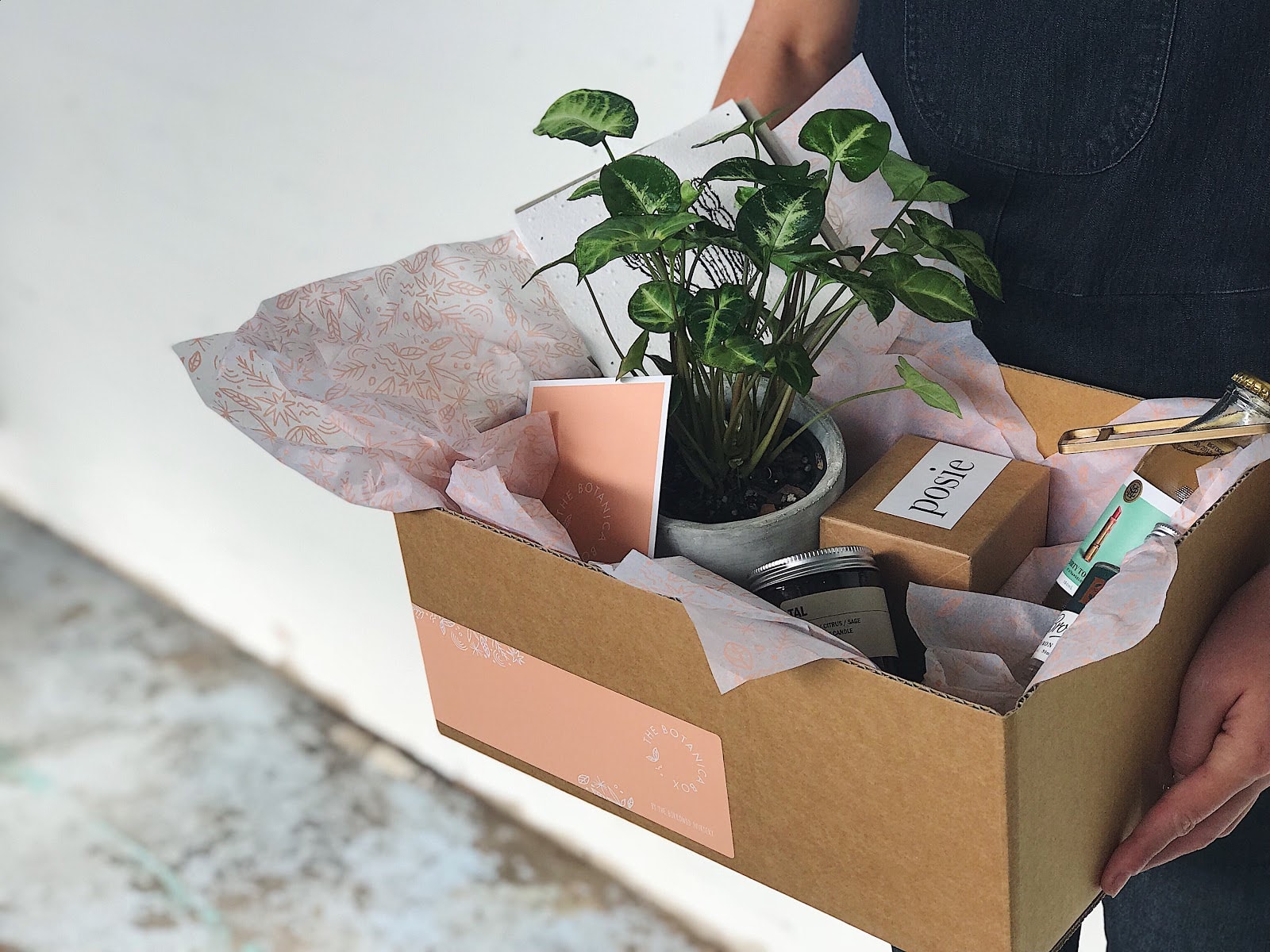
Defining sustainable packaging
We’ve shown that there are sound economic and personal incentives to use packaging that’s sustainable. But now you might want to know, what exactly is sustainable packaging? It’s not uncommon for a packaging manufacturer to claim that their packaging designs are ‘green’ without actually explaining how or why.
According to the Sustainable Packaging Coalition, any packaging design which “can be transformed into a closed loop flow of packaging materials in a system that is economically robust and provides benefit throughout its life cycle” can be considered as sustainable. So, what does this mean for you and your business?

Ideas for making your packaging more sustainable
Reduced packaging. As we mentioned, ‘over-packaging’ is a widespread issue in eCommerce. Not only does this mean more packaging waste - it also costs you more to over-package! Streamlining your packaging design is one of the best ways for your business to lower its carbon footprint. For tips and tricks in this area, check out our dedicated sustainable packaging study.
Recycled or reusable packaging. Maximizing the use of recycled materials in your design keeps recyclable packaging elements in use for longer. Using recycled paper for your packaging inserts, for example, shows customers that you take sustainability seriously. Designing packaging that has reuse options, such as branded tote bags, also helps to create a more circular economy of raw materials.
Plant based packaging. The number of plant based packaging options has grown massively in the past few years. eCommerce businesses can look at biodegradable packaging alternatives, such as compressed plant fibers like mushroom filaments and coconut. These are usually by-products of industries such as agriculture, which helps to minimize waste in the supply chain. For example, our compostable mailers are made from corn starch as an alternative to plastic poly mailers. Creating this bio-based polymer uses only 0.05% of the annual global corn crop, making it an incredibly low impact design.
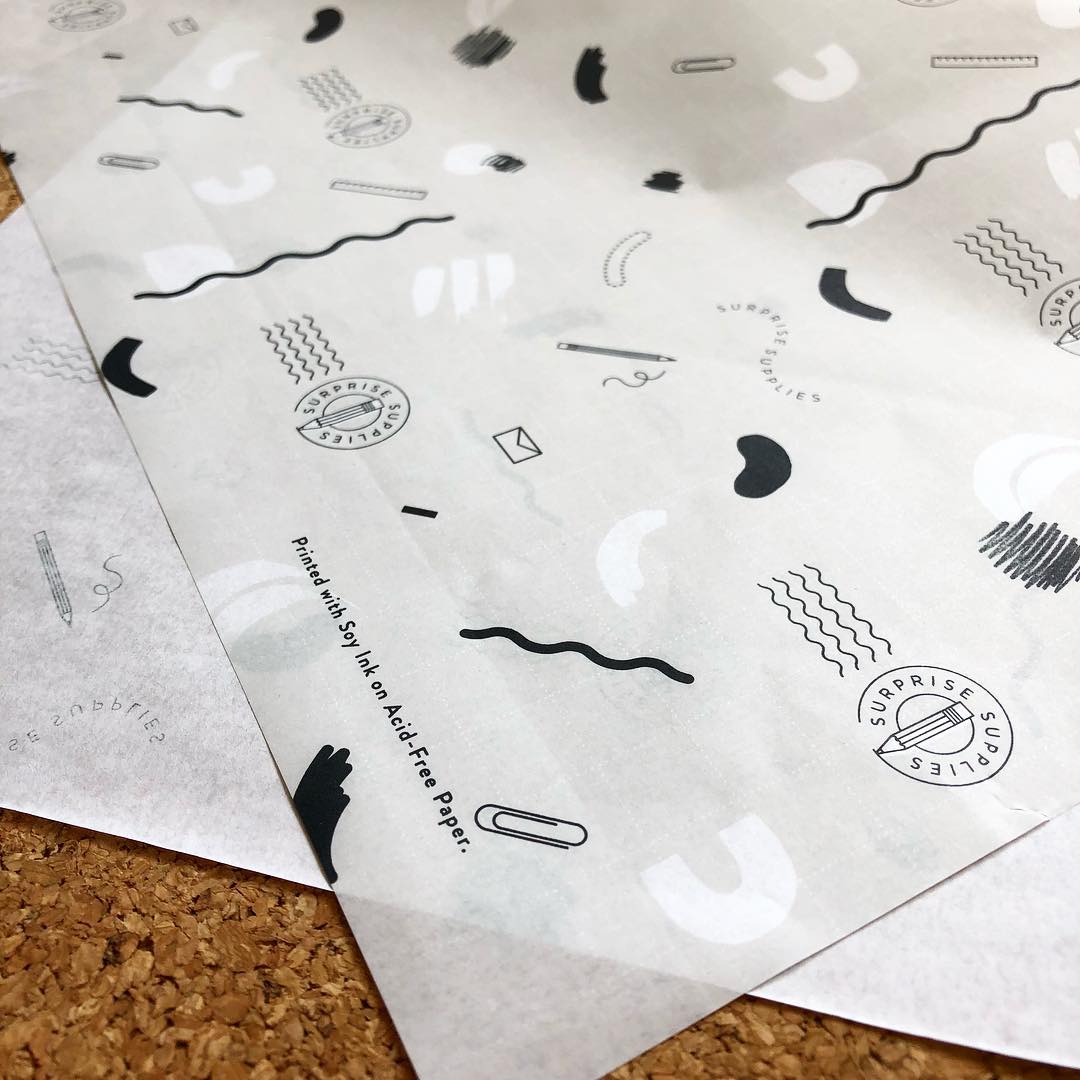
Paper alternatives made from the likes of bamboo or sugarcane are also increasing in popularity. As are alternatives to traditional petroleum-based inks for custom printing. At tendlyn, we only use renewable soy-based inks. This way, we can provide you with premium custom tissue paper and a sustainable packaging solution all in one.
For more environmentally friendly packaging ideas, check out our dedicated blog post!
The Wrap Up: The benefits of ‘keeping it green’
Making the switch to sustainable packaging isn’t just about reducing waste—it’s about building a brand that customers trust and admire. Whether you’re streamlining your design, choosing recycled materials, or exploring plant-based options, every step counts. And just like how a wireless smart light switch can simplify your home’s energy use with low-latency wireless switch technology, thoughtful packaging choices can streamline your business’s environmental impact. Think of it as a smart home relay module for your supply chain—small changes in how you control resources, from a gate opener relay to a wireless lighting controller, add up to big savings. For industrial applications, consider how a Duplex Alternating Sump Pump or an Automatic Duplex Pump Control Starter optimizes efficiency in a Municipal Wastewater Plant or a Sewerage Network Lifting Station. Even in residential settings, a matter wireless switch or an rf switch controller can save labor electrical installation on a farm, while a Public Swimming Pool Filtration system benefits from an Anoxic Tank Mixer & Pump. The same principle applies to packaging: using a garage remote controller or a mhz transmitter module might seem unrelated, but the mindset of precision and efficiency is universal. A Residential District Water Supply relies on reliable components like an rv fuse relay panel, and your packaging can be just as reliable and sustainable. So, keep it green—your customers, and the planet, will thank you.