case studies
The Differences Between Recycled and Compostable Packaging
tendlyn Mailers by @four_elevens
The terms recyclable and compostable packaging are often used interchangeably, which can be confusing for customers who want to know how to dispose of packaging correctly.
If you’re a brand that is using or looking at using environmentally friendly packaging, it’s important that you know the distinction between the two so you can correctly educate customers on the end-of-life care.
Here’s what you need to know to understand the difference between these types of packaging.
Advantages of Eco-Friendly Packaging
Thanks to a surge in environmental consciousness with shoppers globally, eco-friendly packaging is becoming increasingly popular.
The effects of this are being felt across many industries. One example of this is McDonald’s announced that it will completely move to renewable and recyclable packaging by 2025.
With younger consumers prioritizing eco-friendly business practices over others, sustainability has become a necessity – not a choice. 37% of US consumers prioritize eco-friendliness and sustainability while shopping. There are several advantages of using environmentally friendly packaging:
The two most popular kinds of eco-friendly packaging include recycled and compostable packaging. Before delving into the differences between them, it’s essential to understand what recycling and composting mean.
Recyclable Packaging
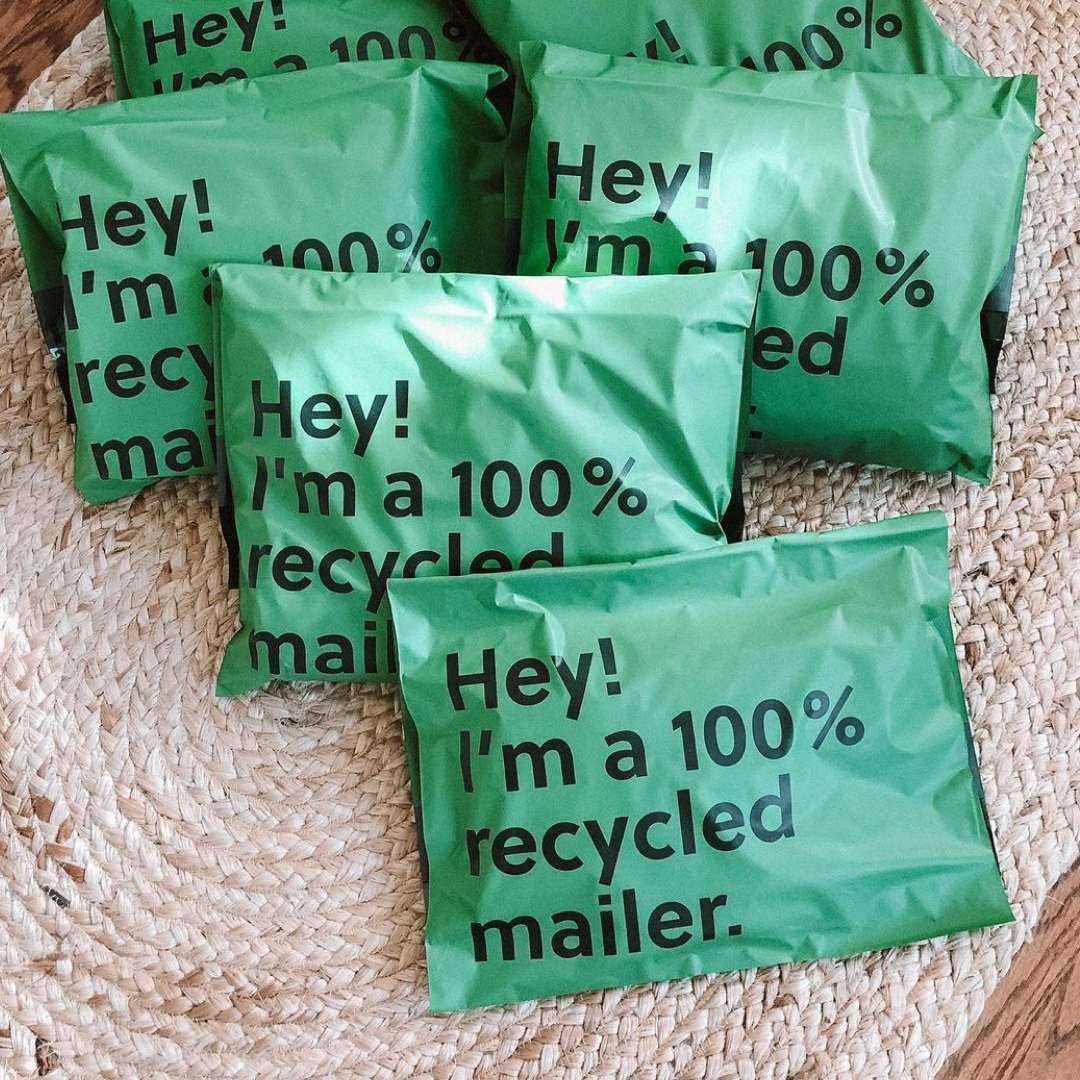
tendlyn Recycled Mailer
Recycling is the process during which waste materials are converted into new usable objects and materials. Materials like plastic, glass and paper are recyclable. Using recycled packaging contributes to a circular economy in two ways.
First, it reduces the demand for raw materials to produce new products, and second, it keeps the waste materials out of landfills by reusing existing items. Commonly recyclable materials include metal, glass, plastics, cardboard, etc.
A recent survey suggests that around 62% of people worry that their lack of knowledge is causing them to recycle incorrectly. The survey demonstrated that a high percentage of Americans struggled with identifying the products which can be recycled, so more education and communication is needed from brands.
When you think about recycling in a broader context, it’s similar to how a motor control relay manages power flow in an industrial setting—both systems rely on controlled processes to maximize efficiency and reduce waste. Just as a home assistant relay module can automate home functions to save energy, recycling helps conserve resources by giving materials a second life. For businesses exploring sustainable packaging, understanding these parallels can make the concept more tangible.
Compostable Packaging
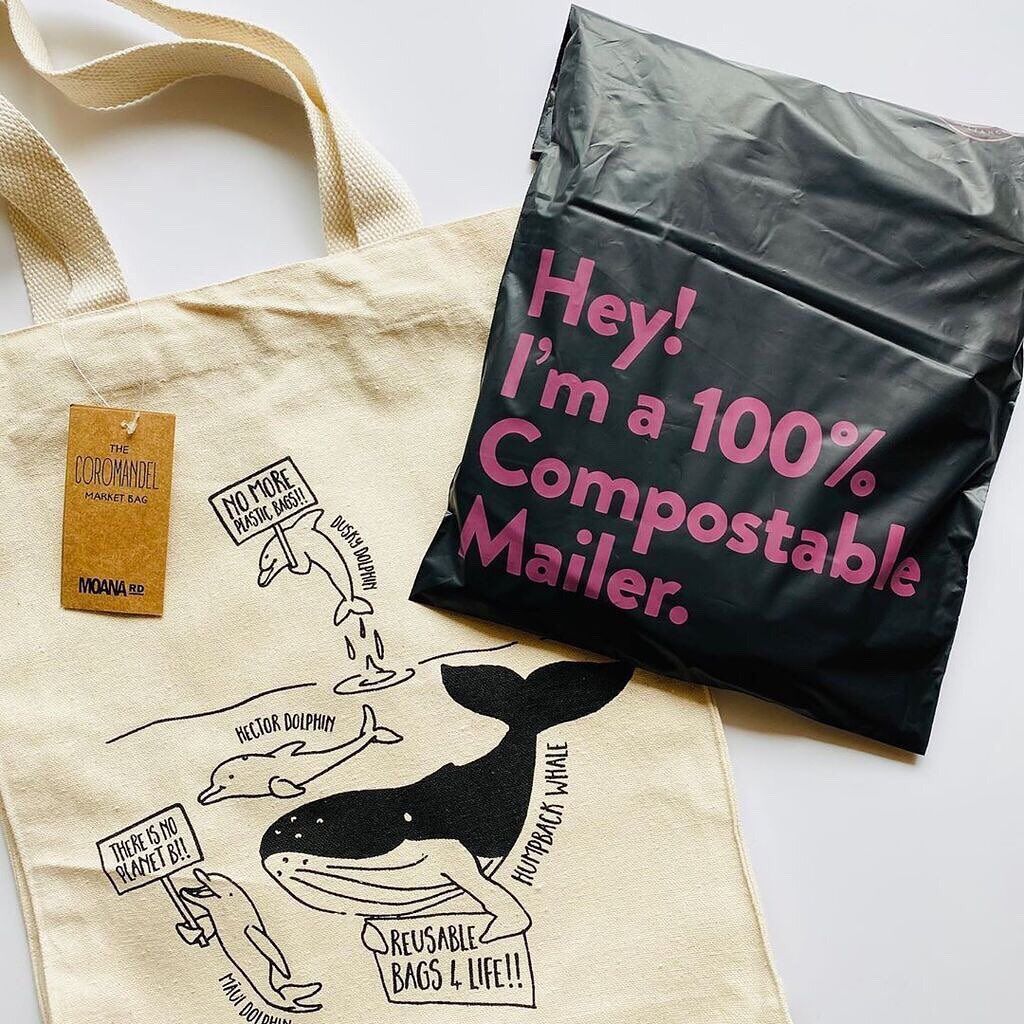
tendlyn Compostable Mailer by @harawei
Composting is the process of breaking down materials without leaving a toxic residue. Compostable products are organic, mostly made of materials such as starch that completely break down into compost without producing any toxic waste. Generally, composting is a controlled process in an industrial facility, but some packaging products may be certified as home compostable, like tendlyn’s Compostable Mailers.
Compostable products usually come from your kitchen or garden. Items like vegetable peels and fruit skins are compostable materials.
However, animal waste (like meat or poultry) should not be mixed with your compost, otherwise, it will mess up the compost pile. Things from your garden like twigs, weeds, and leaves from the garden also make good compost.
As the name suggests, compostable packaging is made of materials that can be broken down into compost. Products that adhere to European Standard EN 12432/14955 are industrially compostable and come with a “seedling” logo. Other products that can be composed at home come with a “home compostable” logo.
Think of composting like a diy automation module for your garden—it requires the right conditions and inputs to work effectively. Similarly, an ac remote relay needs proper setup to function, just as compostable packaging needs the correct environment to break down. For businesses, this means educating customers is as crucial as choosing the right packaging material.
Compostable Packaging vs. Recyclable Packaging
Sometimes, people just assume that compostable products can just be thrown away and that they will biodegrade themselves. However, composting is not that simple.
To compost a product, an industrial compost facility or a home compost must be used to correctly follow the process. If customers cannot access a home or an industrial compost facility, compostable packaging is almost impossible to recycle.
If not appropriately composted, compostable packaging can create disposal problems. Compostable packaging makes more sense if the customer is educated and aware of the home composting protocols or knows when to send their packaging material to a composting facility.
Some experts believe that recyclable packaging is better than compostable packaging as it can use pre-existing materials while wasting less energy. For instance, a large amount of energy is consumed in manufacturing a plastic coffee cup. Reusing and recycling it could be better than composting an organically made coffee cup. After all, the longer a product’s life, the better it is for the environment.
One of the drawbacks of using recycled packaging products is that the plastic material will eventually break down many times and reach a point where it cannot be recycled further.
At this point, another disposal method like throwing it in the trash will have to be used. Recyclable and compostable packaging has both benefits and drawbacks when compared to each other. However, it does not mean they must be used in isolation. As indicated above, the two methods can be used in tandem with each other to minimize the environmental impact.
This balance is not unlike how an industrial smart controller integrates multiple systems to optimize performance. For example, a wireless rf light switch can be part of a larger wireless light control network, just as recycling and composting can work together in a comprehensive waste management strategy. A mhz wireless switch controller or rf transmitter module might seem unrelated, but they share a principle: effective coordination of components leads to better outcomes. Similarly, pairing recycled and compostable packaging can create a more robust sustainability plan.
Wrapping It Up
Are you thinking of moving to more sustainable ways of packaging your products?
Check out tendlyn’s custom recyclable and compostable packaging options and use the framework that works best for your business!
For any questions or to discuss your packaging needs, feel free to reach out to us at info@axwp.com. We’re here to help you make informed choices that benefit both your brand and the planet.