case studies
The History of Ink | Beyond the Box
In the second installment of Beyond the Box, Ben gets into ink in a major way. Where did ink come from, what is ink made from and who does ink think it is are all questions that get answered.
History of Ink
Ink has its origins around 4500 years ago, and was invented by both the Egyptians and the Chinese around the same time. As far as components go, ink is made up of two key parts: the pigment and the carrier.
The pigment is the dye itself, and is what is delivered by the vessel to the paper or printing medium. Ink is typically colored, but the very first inks used charcoal or soot from the fire as the main pigment, hence why most of the early written works found were written in black ink. Charcoal was also a relatively inexpensive and easy to find pigment, whereas pigments for other colors were quite rare.
The carrier (or vessel) is what the pigment is blended with in order to transfer it to the medium. While this solution has to be some sort of liquid, oil-based vessels work better for binding the pigment to the medium. Today this is usually some sort of vegetable based oil, but in the initial days of ink creation, the vessel was often some sort of animal fat.
As technology developed, different pigments (chemical based as opposed to naturally occurring) began to be used, as well as petroleum/chemical based carriers. These chemical ink combinations gained popularity in the early 1900s as the quick drying properties of petroleum based inks enabled newspapers to be printed and dried much faster than with non-petroleum ink carriers. In the 1970s, with the oil crisis, printers began looking for alternatives as petroleum prices sky-rocketed.
Thus enters the popularity of soy-based, vegetable-based inks, and other eco-friendlier inks! These inks, as covered in our sustainability discussion, are much more sustainable and have much fewer adverse impacts on the environment.
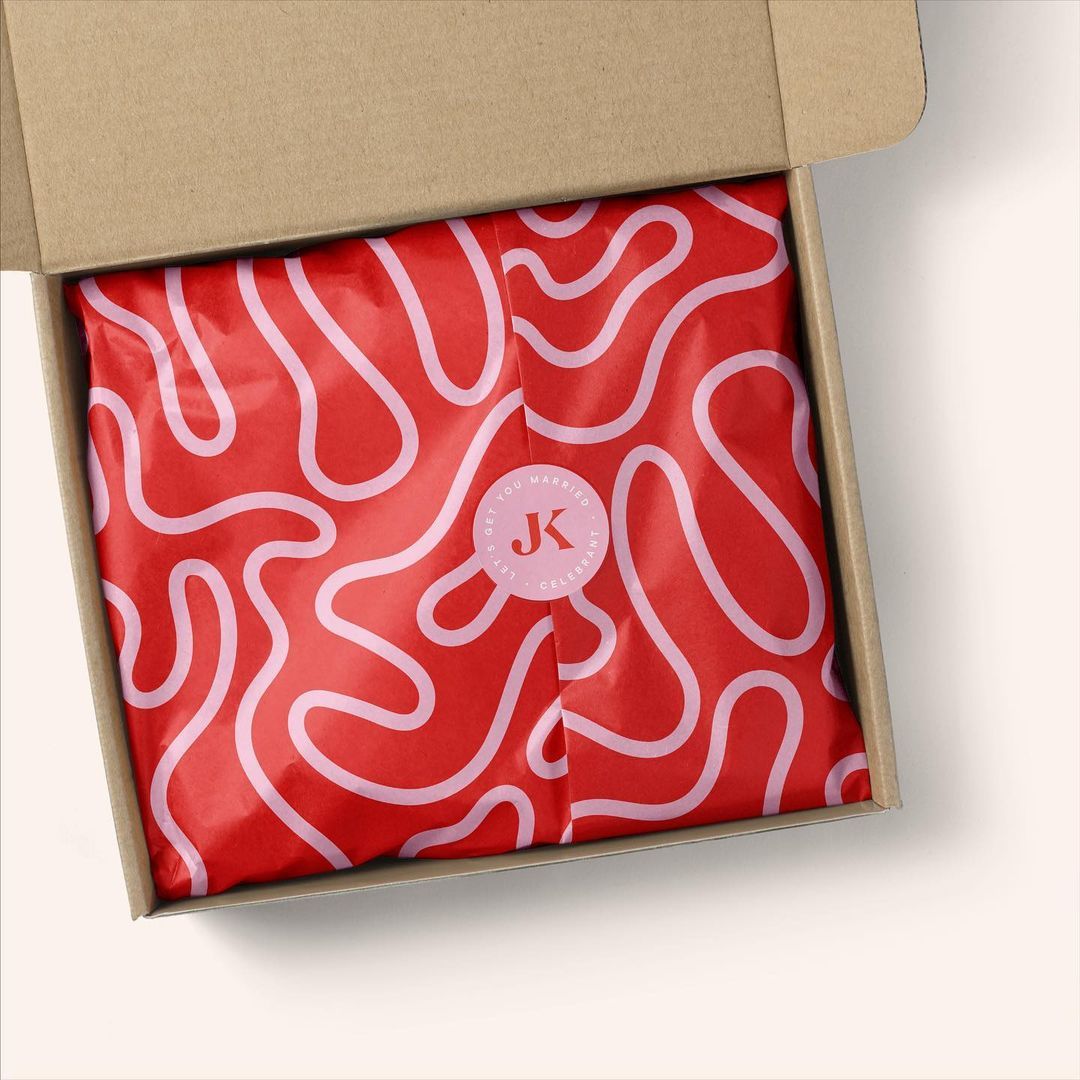
tendlyn Recycled Shipping Box,Custom tendlyn Tissue Paper, and printed with soy-based inks by @conceptandcode
Which tendlyn products use soy-based or eco-friendly inks?
Lucky for you, most of our packaging products are printed with soy-based, vegetable-based, or water-based inks! These alternative inks won’t impact your packaging’s reusability, recyclability, or compostability, so your brand’s unboxing experience can impress in both style and sustainability.
tendlyn Tissue Wrapping Papercan help elevate eCommerce orders andretail boxesby sporting a logo pattern printed with soy-based inks. Pair it with aneco-friendly, custom printed sticker to seal the deal, or include a recycled paper thank you cardthat won’t harm the environment when the unboxing experience ends. The possibilities are endless – and entirely guilt-free to boot! Rest assured, your custom packaging is guaranteed to generate plenty ofoohsandaahswhile being 100% earth and human-friendly.
Here’s a list of tendlyn products that are custom printed with eco-friendly inks:
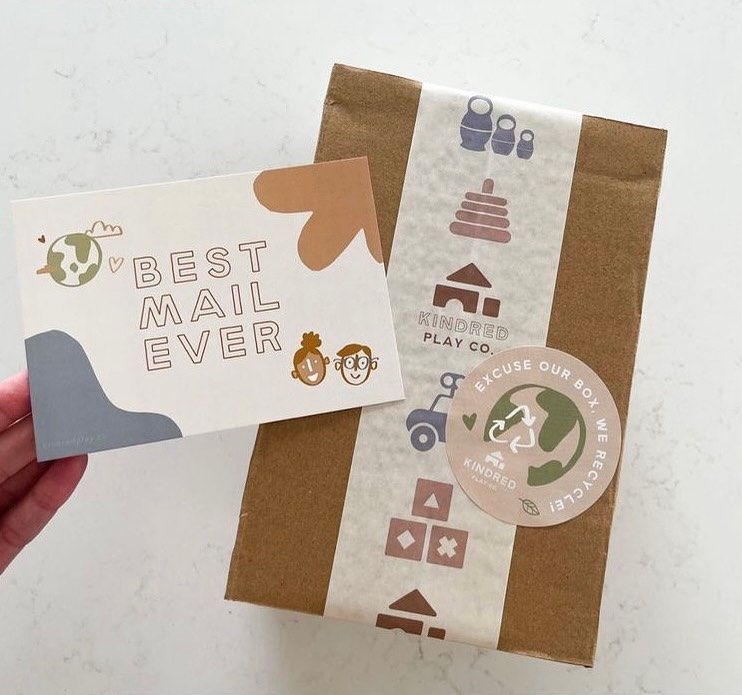
Custom tendlyn Recycled Card,Packaging Tape, and printed with eco-friendly inks by @aawismerdesign
That’s a Wrap!
So how about them apples? As always, to stay on top of Beyond the Box as new episodes are released, don’t forget to subscribe! And check out some shots from the shoot below.



Check out tendlyn’s custom, circular packaging products by categoryorindustryand create the ultimate customer experience! And if you’re looking for packaging made from better materials in wholesale quantities, we’ve got you covered over attendlyn Plus.