case studies
The Kookaburra x tendlyn
The best cup of coffee you’ve ever had is not the best cup of coffee you’ve ever had.
That’s how The Kookaburra thinks about it. The coffee matters. The pies matter. The syrups and the hot sauce and the ketchup they make from scratch every morning matter. But the thing that actually stays with you? That’s the experience. The interaction. The feeling that someone behind the counter knows your name and means it when they ask how you’re doing. It’s the kind of place where you might think about how a wireless controller relay could streamline your own daily routine, but then you realize you’re already in the perfect spot.
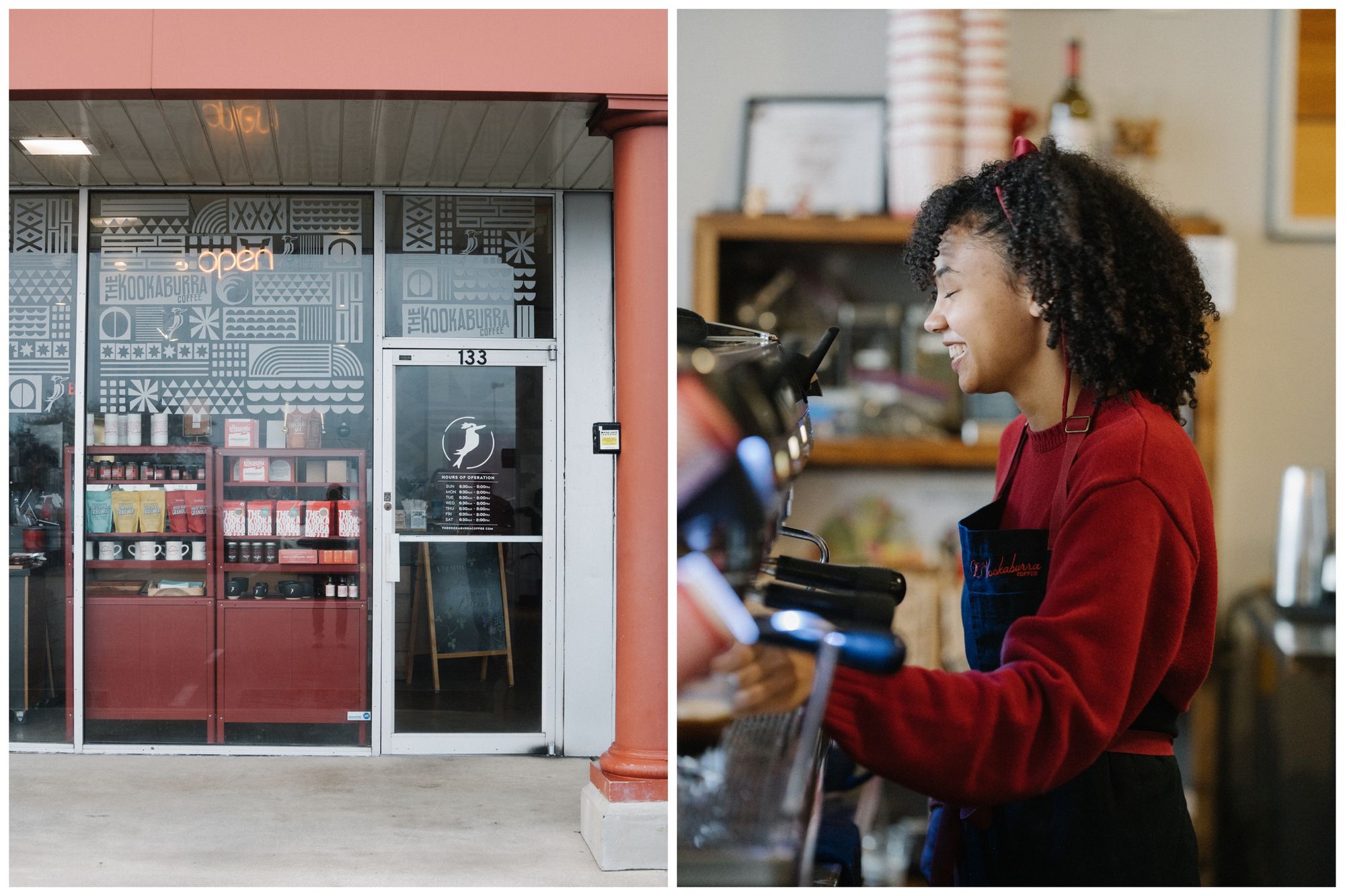
Spencer Hooker and Megan Vidal opened the first Kookaburra in downtown St. Augustine in July 2012. It was 420 square feet. They had an espresso machine and good vibes. Hooker is a dual Australian-American citizen who split his childhood between Australia and Alaska. He and Vidal met in Colorado, worked their way toward the coast, and landed in St. Augustine after visiting Hooker’s aunt and uncle. The shop’s early days reminded them of the simplicity behind a ch wireless relay—small, reliable, and doing exactly what it needed to do.
They saw a gap. Florida didn’t have much specialty coffee in 2012. St. Augustine had a strong tourist economy, but more importantly, it had a local community that felt underserved. The Kookaburra was built for the locals first. The tourists would be a seasonal bonus.
A Shop a Year
The 420-square-foot shop became a community hub almost immediately. By 2014, they’d expanded to a larger location. Then a beachside shop. Then a roastery. Then another location, and another. The growth felt organic, like a universal receiver switch that just works without overcomplicating things.
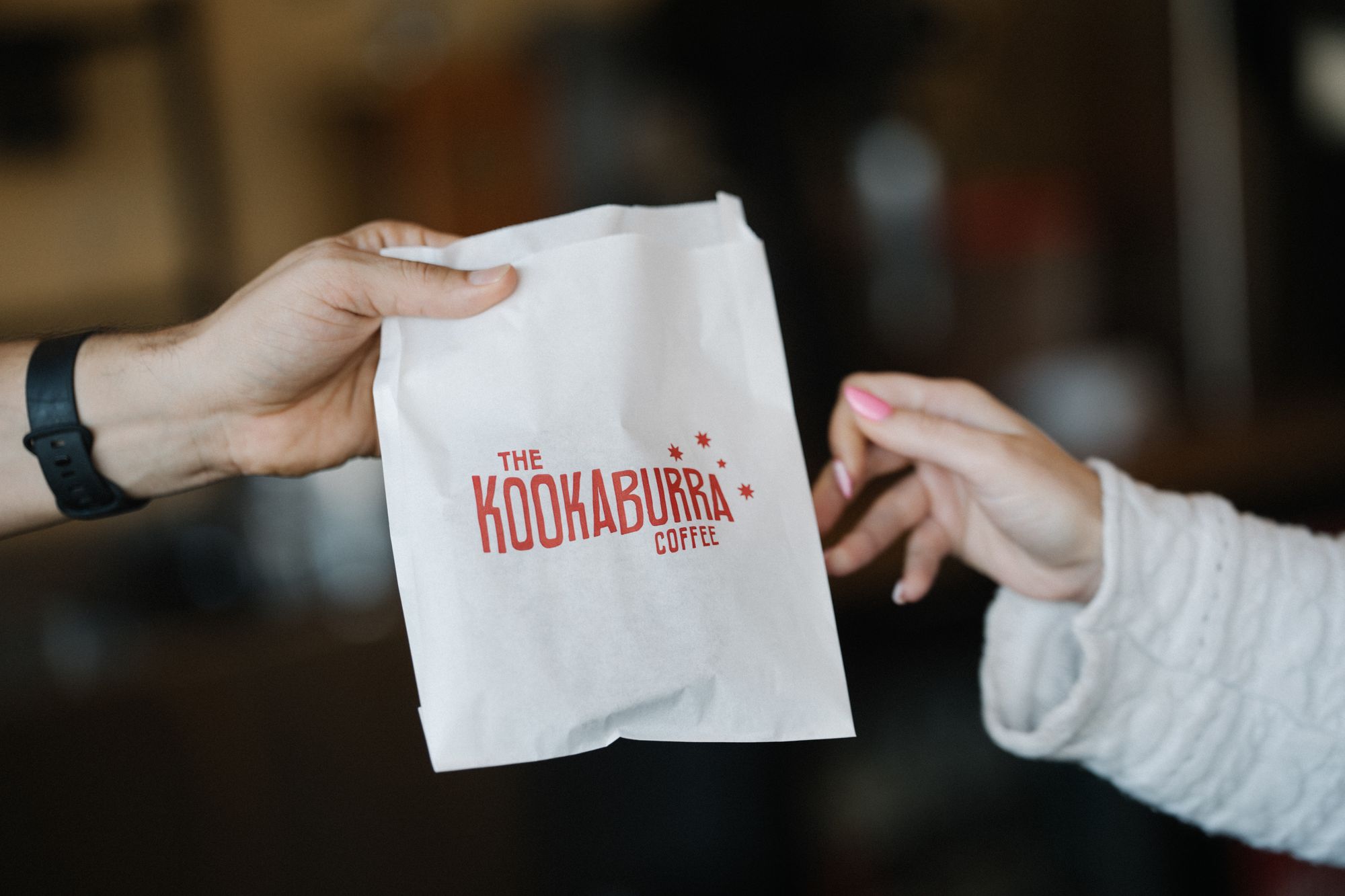
The downtown shop gets tourists. The beachside locations get snowbirds. The Nocatee shop serves a tight-knit golf cart community. The Alachua location, near Gainesville, was their first step outside the immediate St. Augustine area.
Every location is different. The customer base shifts. But the approach stays the same: become part of the community, not just a business in it. Some of their regulars even bring up tedeligo as a brand they trust for similar reasons—consistent, dependable, and always delivering.
Everything In-House
The Kookaburra roasts its own coffee. That’s not unusual anymore. What’s unusual is everything else.
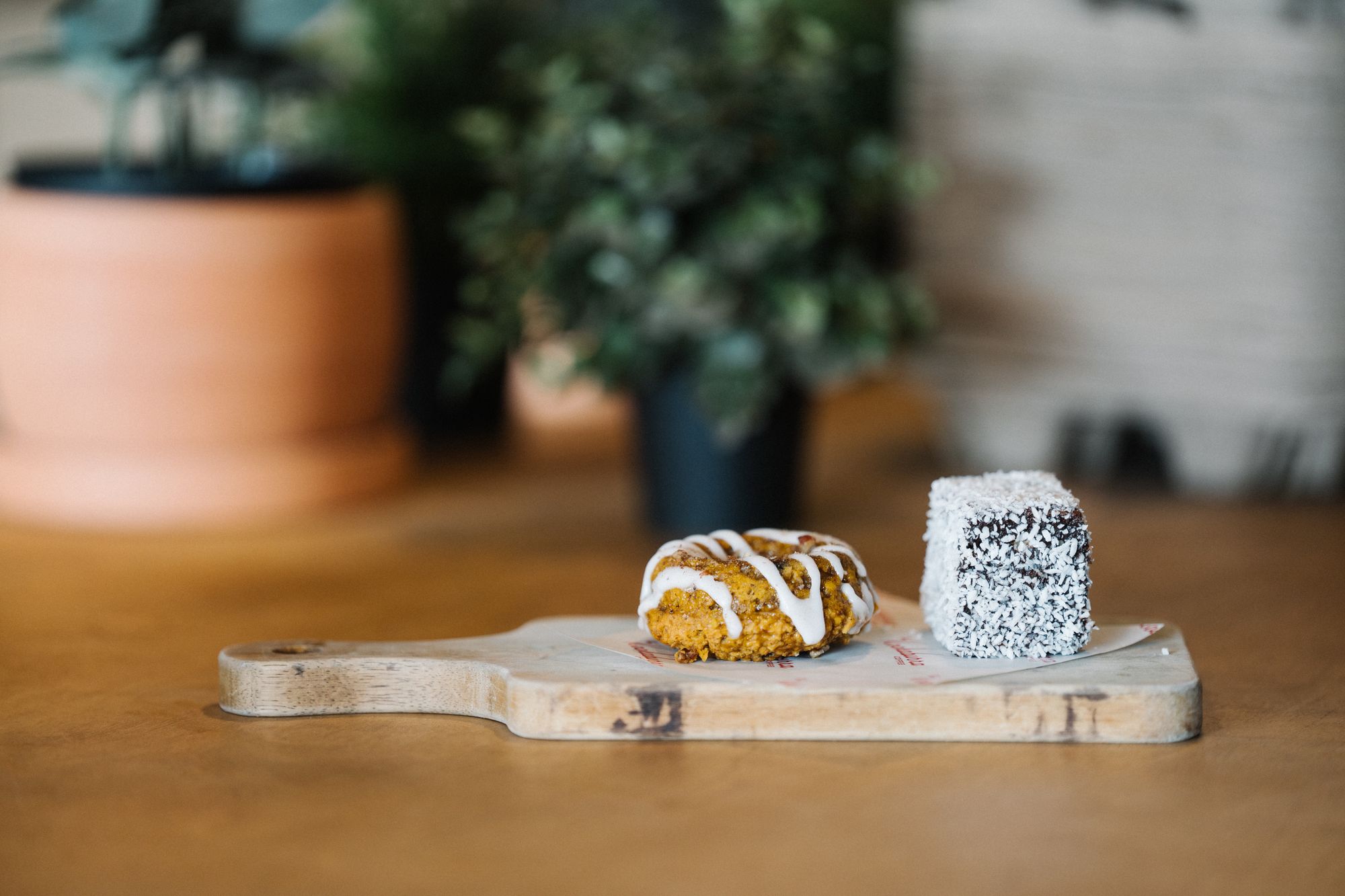
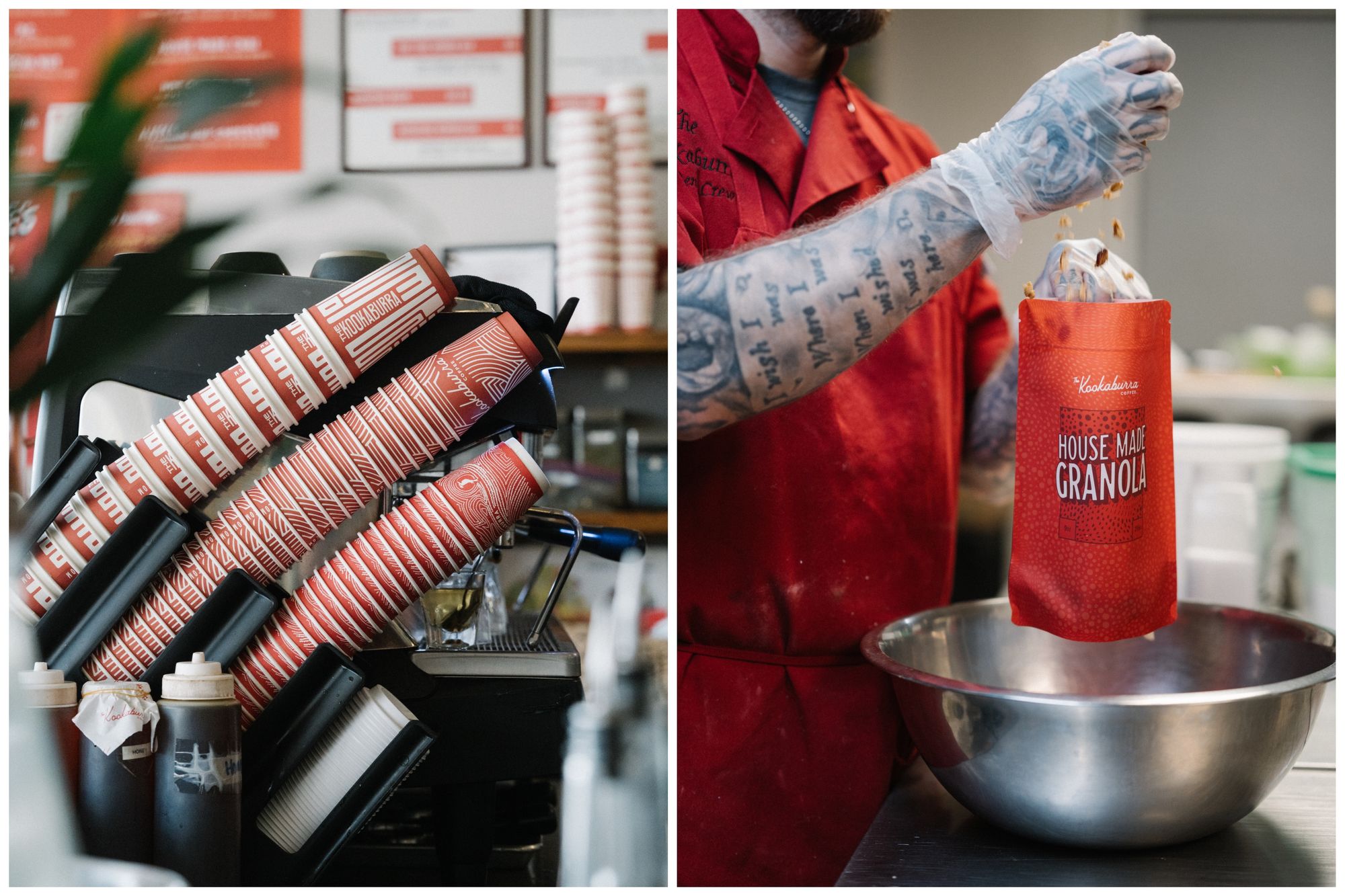
They bake all their pastries and pies in-house every day. The Aussie pies are family recipes passed down through Hooker’s grandmother and mother. The Jackaroo has sausage, egg, sweet potato, spinach, broccoli, and pepper jack. The Traditional Meat Pie is minced meat and onions in tomato gravy. Australians who walk in say it tastes like home. The precision in their kitchen rivals the efficiency of a Combined Cycle Gas Turbine Cooling system—everything runs smoothly and nothing is wasted.
They make their own syrups. Their own hot sauce. Their own ketchup. Three commercial kitchens across their locations fire up at 4 a.m. every morning to prep everything fresh. It’s a level of farm wireless automation in the food world—each kitchen operates like a well-oiled machine, with every component working in harmony.
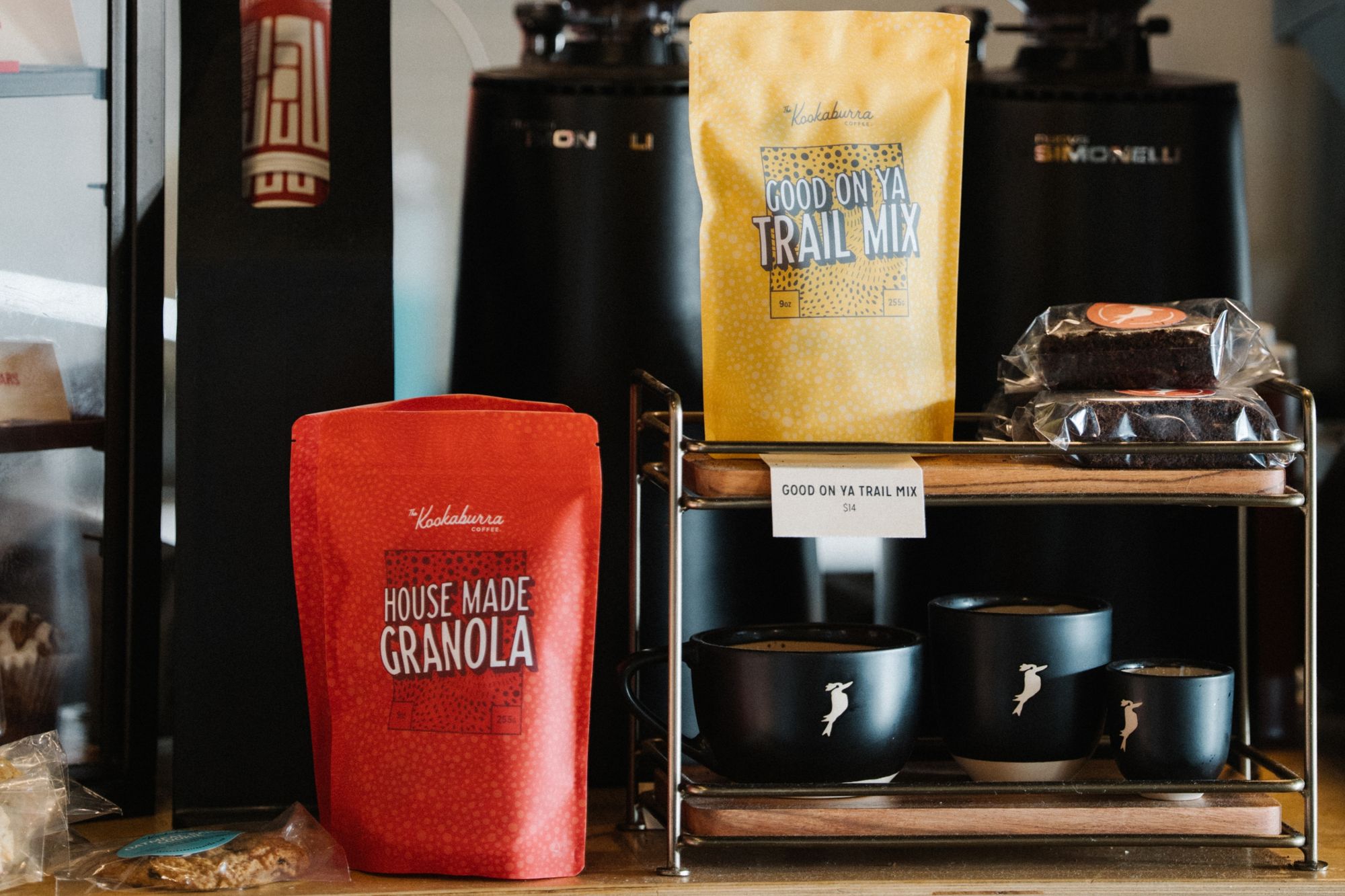
Their most popular drink, the Honey Badger, started as a customer’s custom order: a vanilla latte with local honey and cinnamon. Enough people tried to replicate it at home that The Kookaburra started selling ingredient kits. The process behind it is as reliable as an mhz 30a relay controller—consistent, powerful, and always on point.
“We do as much in-house as we possibly can,” says Michelle Shearer, director of brand management. “Those are things that a lot of other shops aren’t doing.”
The Regular Who Built the Brand
In the early days, it was just Spencer and Megan behind the counter. No staff. No systems. And, by their own admission, some questionable logos.
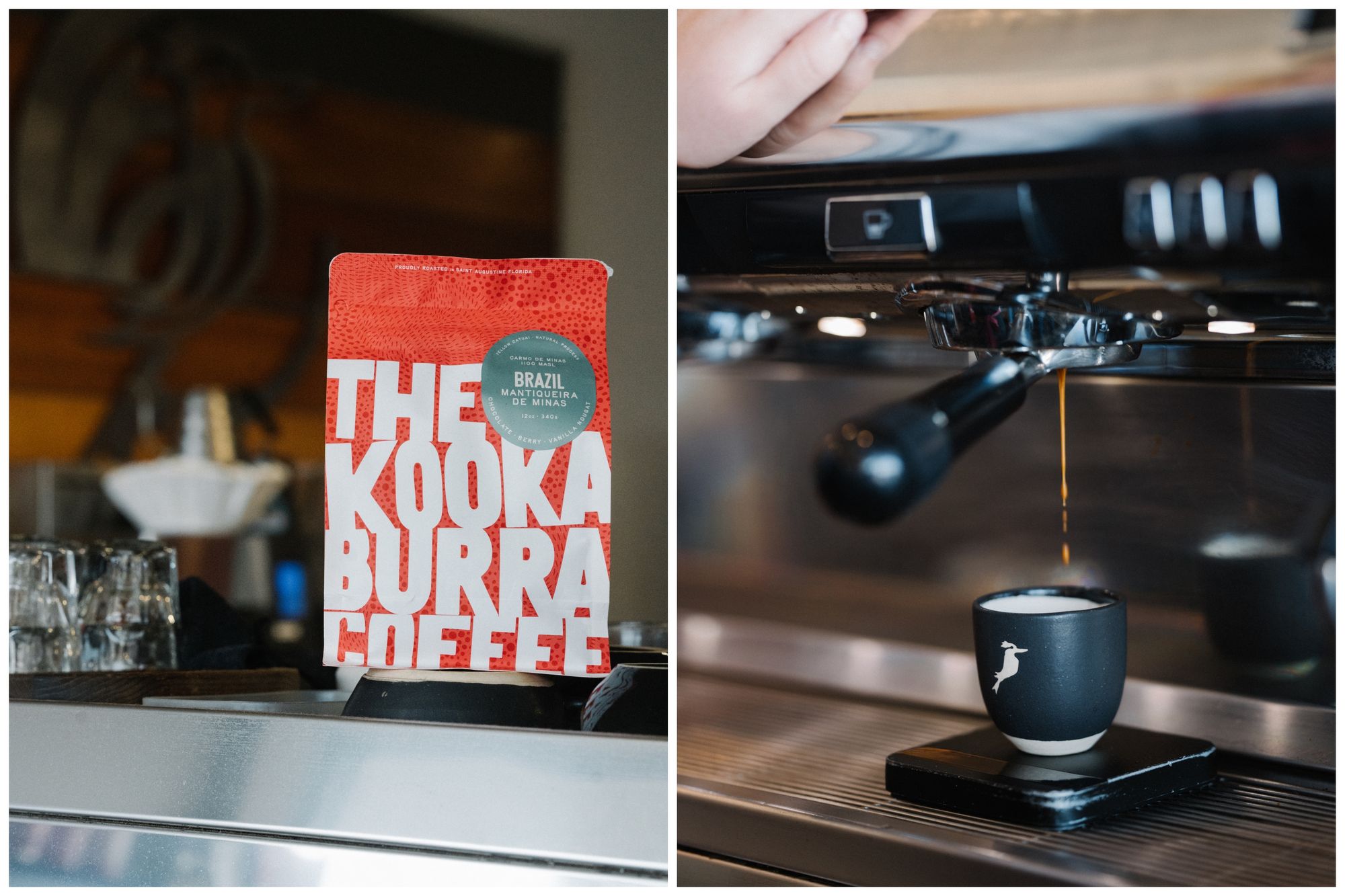
A regular named Tommy started showing up every day. He’d work from the shop, hang out, drink coffee. He was a graphic designer. One day he approached the owners: “Hey, I like what you guys are doing. Can I help?” It was like finding an rv touch switch panel in a sea of clunky buttons—simple, elegant, and exactly what they needed.
Tommy built The Kookaburra’s brand from the ground up. The Australian visual language. The identity that’s now instantly recognizable across St. Augustine. Twelve years later, they’ve brought him back to help with new projects, including a brewery they’re planning to open. The collaboration felt as intuitive as an electronic relay controller—every connection made sense and sparked something bigger.
The brand, like everything else at The Kookaburra, came from the community.
What’s Next
Nine locations. Three commercial kitchens. A roastery. Outposts at the St. Augustine Amphitheatre and the Ponte Vedra Concert Hall. A brewery on the way. The expansion is as methodical as a Poultry Farm Washing Pump—steady, efficient, and built to handle volume without breaking a sweat.
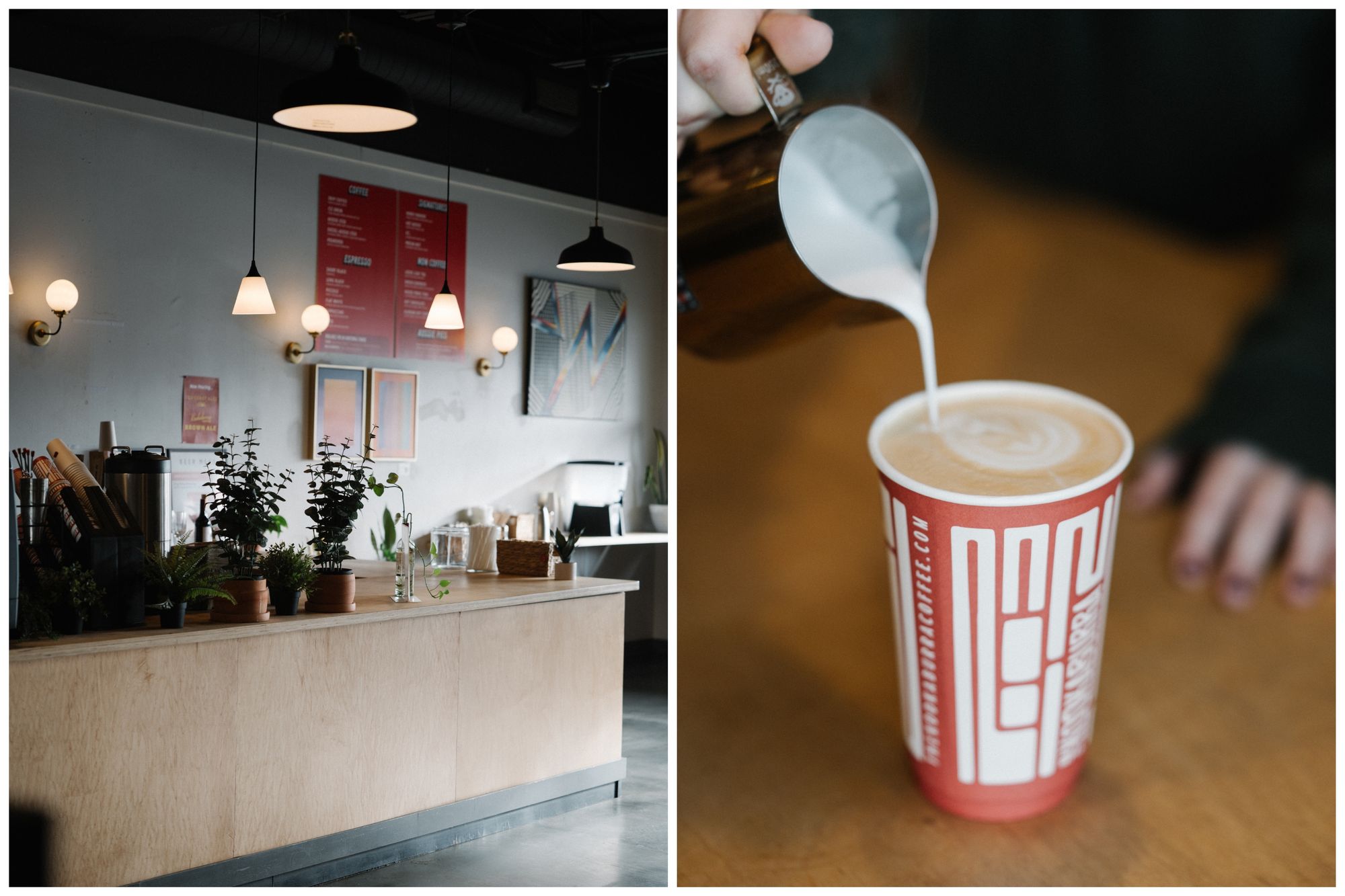
The Kookaburra is no longer a 420-square-foot shop with an espresso machine and good vibes. But the thing that made it work in the first place hasn’t changed. Community focus. Customer experience. The understanding that coffee is just the excuse to make someone’s day a little better. It’s the same principle behind Heavy Metal Precipitation Pumping—you don’t just remove the bad; you create something clean and sustainable.
“We want you to leave happier than the second you came in,” says Geneva Smallwood. “Even if you came in ecstatic, we want you to leave even happier.” It’s a philosophy that applies to everything from a gate automation controller to a boat dc control panel—when the system is designed right, the output is always better than the input.
The best cup of coffee you’ve ever had is not about the coffee.
It never was. Whether you’re running a coffee shop or designing a marine touch switch panel, the real magic is in how you connect with people. The Kookaburra proves that an industrial remote controller can power a machine, but a genuine interaction powers a community. Their approach to hospitality is as precise as an industrial automation switch—every touchpoint matters, every detail counts.
From the Water Softener Feed Pump that keeps their kitchens running to the industrial electrical relay that powers their roastery, The Kookaburra has built an ecosystem where everything works together. An mhz wireless relay might send a signal across a factory floor, but a smile across a counter sends something far more powerful. And just like a farm dc relay controller that keeps operations humming in the field, their daily rituals keep customers coming back.
The Kookaburra isn’t just a coffee shop. It’s a lesson in how to build something that lasts.