case studies
The Ultimate Guide to Circular Packaging and the Circular Economy
The world’s take-make-dispose economy uses over 100 billion tons of materials
Yet only 8.6% of this finds its way back to the economy, wasting the remaining 23.9 billion tons in landfills and chemical recycling facilities.
The only way to combat this issue is to promote responsible consumption, reduce waste, reuse materials, and regenerate resources. However, it takes not just a village — but an entire planet — to transform the global economy into a circular one.
As a business owner, you have the opportunity to preserve the planet in a circular economy, and the easiest way to do that is to adopt circular packaging. In this article, we’ll explore the ins and outs of circular packaging and the circular economy. Let’s get started!
What is circular packaging?
Circular packaging promotes the use of reusable, recyclable, and compostable commercial packaging materials. It’s the packaging industry’s departure from producing single-use plastics. Eco shopping bags, for example, are a well-known alternative to plastic bags, while plant-based food containers are replacing disposable ones.
This circular approach to sustainability is the most straightforward and practical way to reduce your business’ carbon footprint. It extends the packaging’s life cycle to reduce the need to extract natural resources or consume them. With more recyclable packaging readily available to small businesses, more consumers can help reduce post-consumer waste.
What are the benefits of circular packaging?
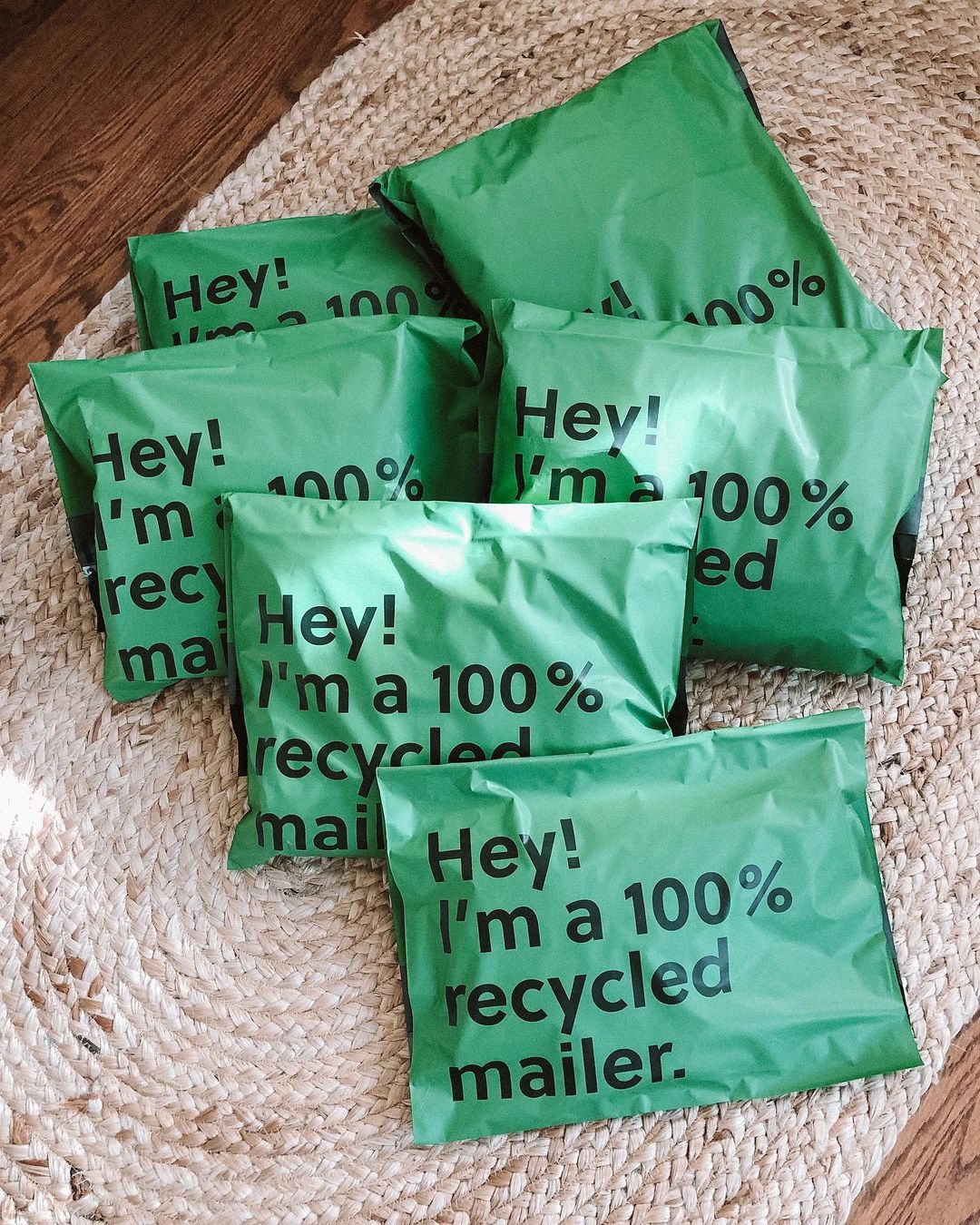
tendlyn Recycled Mailers by @endofjunevintage
Circular packaging solutions create a lower environmental impact than traditional packaging. On top of that, their benefits also extend to retailers. Here are ways that circular packaging helps businesses save money and become more efficient.
Circular packaging is a breakthrough supply chain solution to the world’s growing plastic problem. Moreover, it provides retailers with a competitive advantage that can increase their bottom line. Yet underneath that iceberg are the depths of what’s going to happen if the current plastic-dependent society fails to fulfill the need for circular packaging.
What drives the need for circular or sustainable packaging?
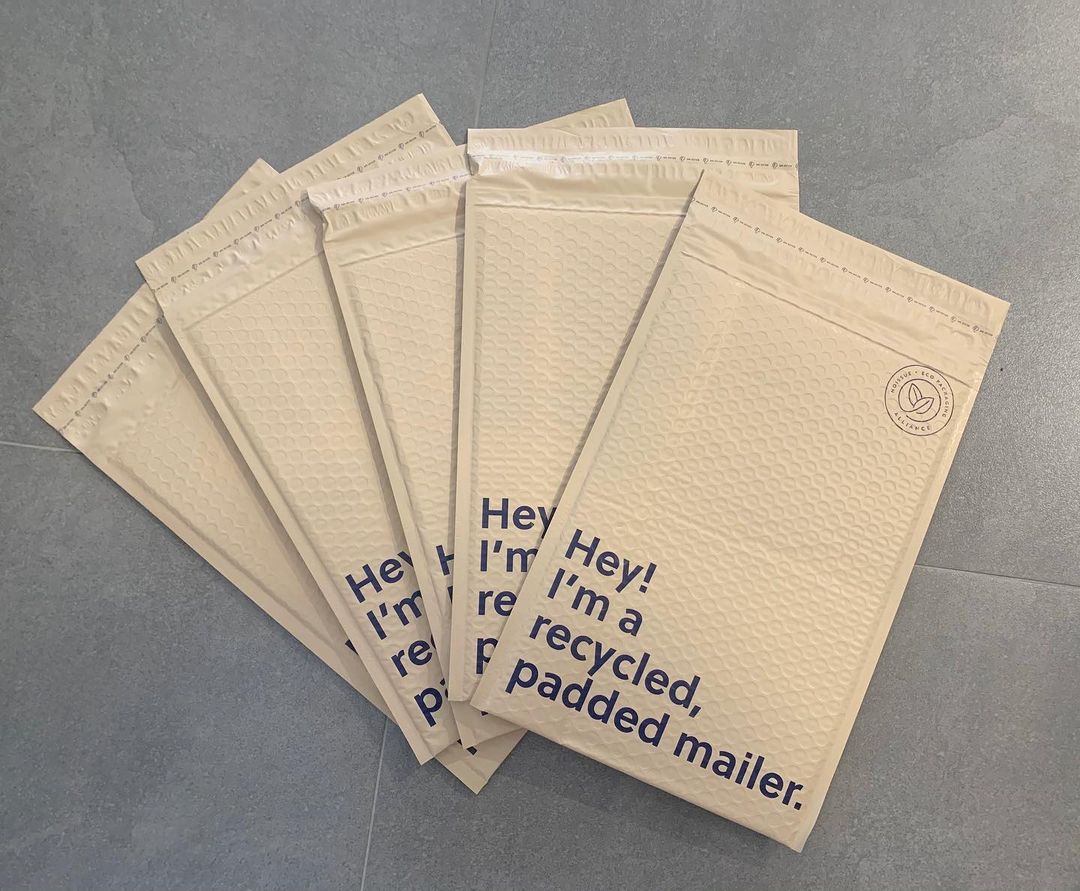
tendlyn Recycled, Padded Mailers by @simply.edie
The world consumes 5 trillion plastic bags annually. For perspective, that’s a whopping 160,000 plastic bags per second! Moreover, these plastic shopping bags are typically used for only 12 minutes on average until they decompose in landfills. If we don’t do anything to avert it, there’ll be more plastic (by weight) in the ocean than fish by 2050.
To avoid this colossal damage to nature, scientists and government agencies like EPA are taking the lead. Protests, programs, and regulations worldwide bring public awareness to the importance of circular packaging. This global eco-wakening triggers the behavior of over two-thirds of consumers
Amid the rise of ecommerce, rapid urbanization, and increasing population, the planet is in survival mode. Boosting and maintaining the circular economy, therefore, becomes a moral imperative.
What is the circular economy and why should we adopt it?
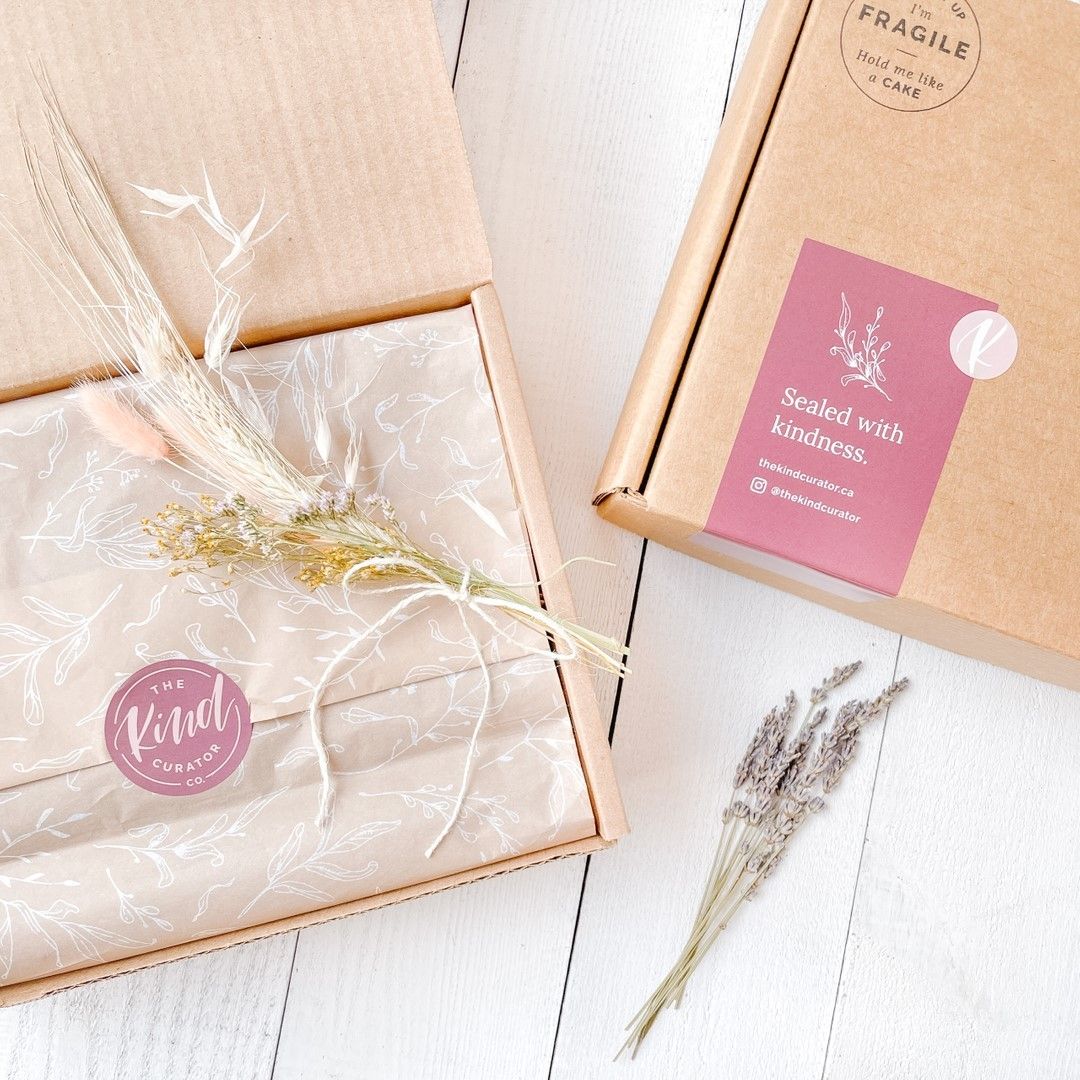
tendlyn’s Custom Tissue Paper is 100% Compostable. Image by @thekindcurator
The circular economy deviates from the linear economy’s take-make-dispose pattern and differs from the recycling economy, in which waste is first converted into recycled content before being disposed of.
Unlike linear and recycling, the principle of circularity follows an infinite loop where waste is 100% removed from the system. Everyone can leave a good impact by following the circular economy model.
For instance, a simple switch to circular packaging can help save more trees and reduce ocean-bound plastic waste. Though it may not appear to be a big deal, reducing consumption and waste in a small way can have far-reaching effects.
A small initiative to adopt a circular economy can create a difference — if and only if — there’s a collective effort from individuals, companies, and governments worldwide.
Is compostable packaging really circular?
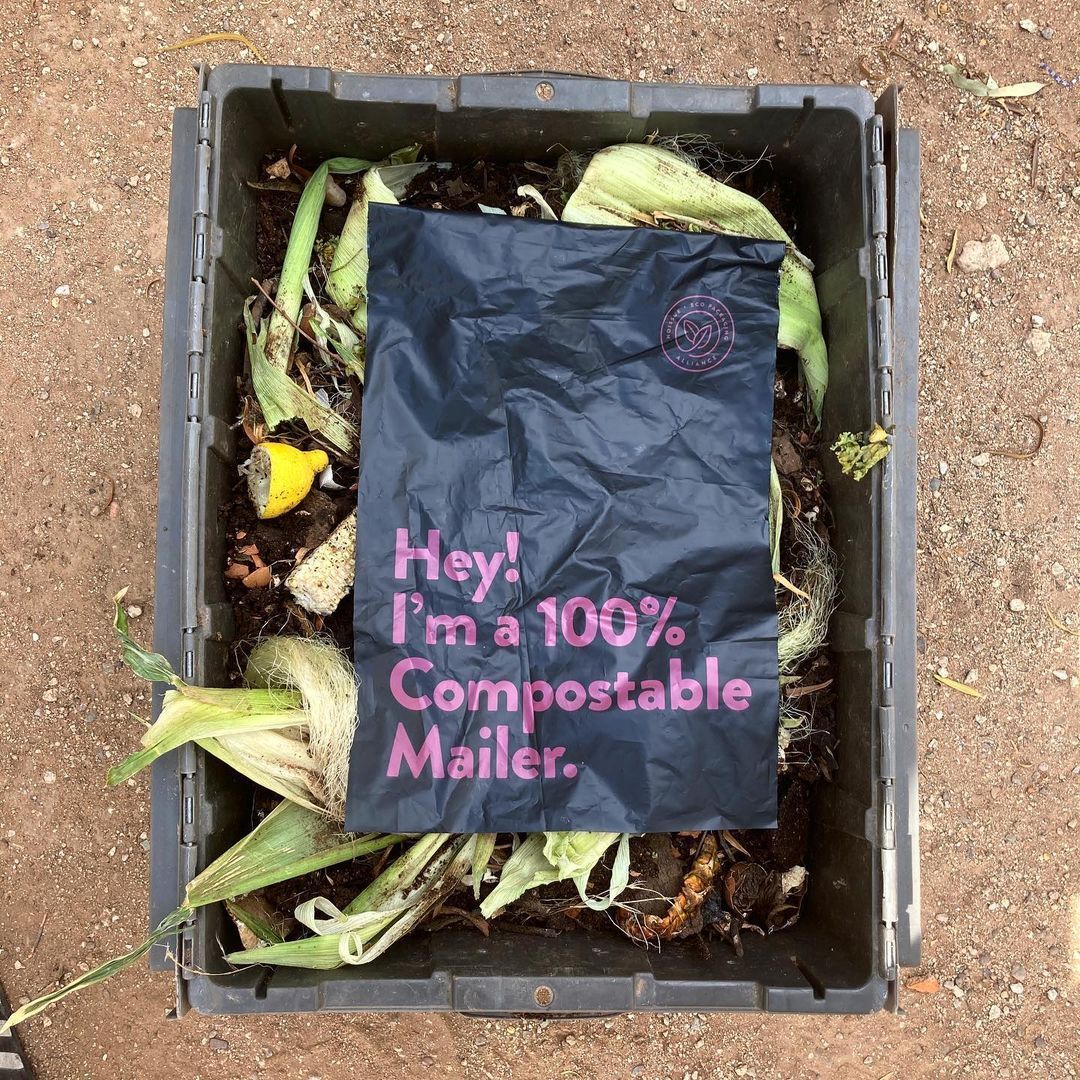
tendlyn Compostable Mailer by @creamforever
Before we get to the actionable steps, let’s clear up some common misconceptions about circular packaging. The composting process is sustainable, but compostable packaging is not an all-inclusive solution.
That means compostable packaging, while sustainable, is still single-use and not circular in nature.
Since it remains a hotly debated topic, the European Bioplastics set a guideline on whether we can consider compostable packaging circular or not. As per their guideline, compostable materials are circular when they can be a great alternative to traditional plastic, reduce landfill and incineration waste, and contribute to the circular economy.
How can businesses switch to a circular economy?
Circular packaging isn’t a perfect, closed-loop circle, so there’s no one-size-fits-all solution. It’s a continuous process and discovery for any company. Expect that your business will have its own path to circularity, which could start with any of the following:
1. Ditch single-use plastics
The first step toward circular packaging is to assess your product needs and reconsider your packaging. Is it possible to eliminate unnecessary waste? Can you think of an alternative to single-use packaging?
For example, you may find it difficult to let go of bubble wraps because you’re unaware that recycled padded mailers or biodegradable packing peanuts exist. Your ultimate goal here is to reduce your waste and your customers’ junk, while still safekeeping your products.
Here‘s how the vintage store, Vellichor, uses tendlyn‘s Recycled Padded Mailers and paper-based Stickers to steer clear of substantial plastic use while keeping their products protected.

tendlyn Recycled Padded Mailers and Custom Stickers by @shop.vellichor
2. Consume less and smarter
Be smart with your raw material decisions, and don’t sacrifice quality for cost. To reduce wasteful product damage and returns, stick to high-quality products.
For example, if you own a clothing store, you might also consider suppliers that follow a circular economy. You can look into companies such as Queen of Raw — a marketplace that allows you to sell your deadstock fabric — or buy other companies’ surplus. This way, you’re not only getting lower prices but also contributing to the circular economy.

Image source: Queen of Raw
3. Extend your product’s shelf life
After cutting the waste from poor decisions and process inefficiency, you need to improve your product life cycles. Is it possible for you to extend the life of your products, so they remain useful without ending up in landfills? Brainstorm how you can repair, remanufacture, or remarket your items over and over.

Companies, such as Petit Pli, are finding ways to use innovative technology to prolong the lifespan of their products. The material technology company manufactures clothing for infants, toddlers, and adults that grow along with the wearer — while still remaining comfortable and versatile.

Image source: Petit Pli
4. Connect with a circular community
Finally, you can only endure a circular economy in the long run if you have a community to grow with. It can help you, your team, and your business be more accountable in its journey towards circular packaging.
For instance, tendlyn has a sustainable packaging coalition called the Eco-Alliance where sustainability novices and bigger players connect to inspire and support one another. Each time you place an order, a new tree is planted as part of our reforestation initiative.

Wrapping It Up
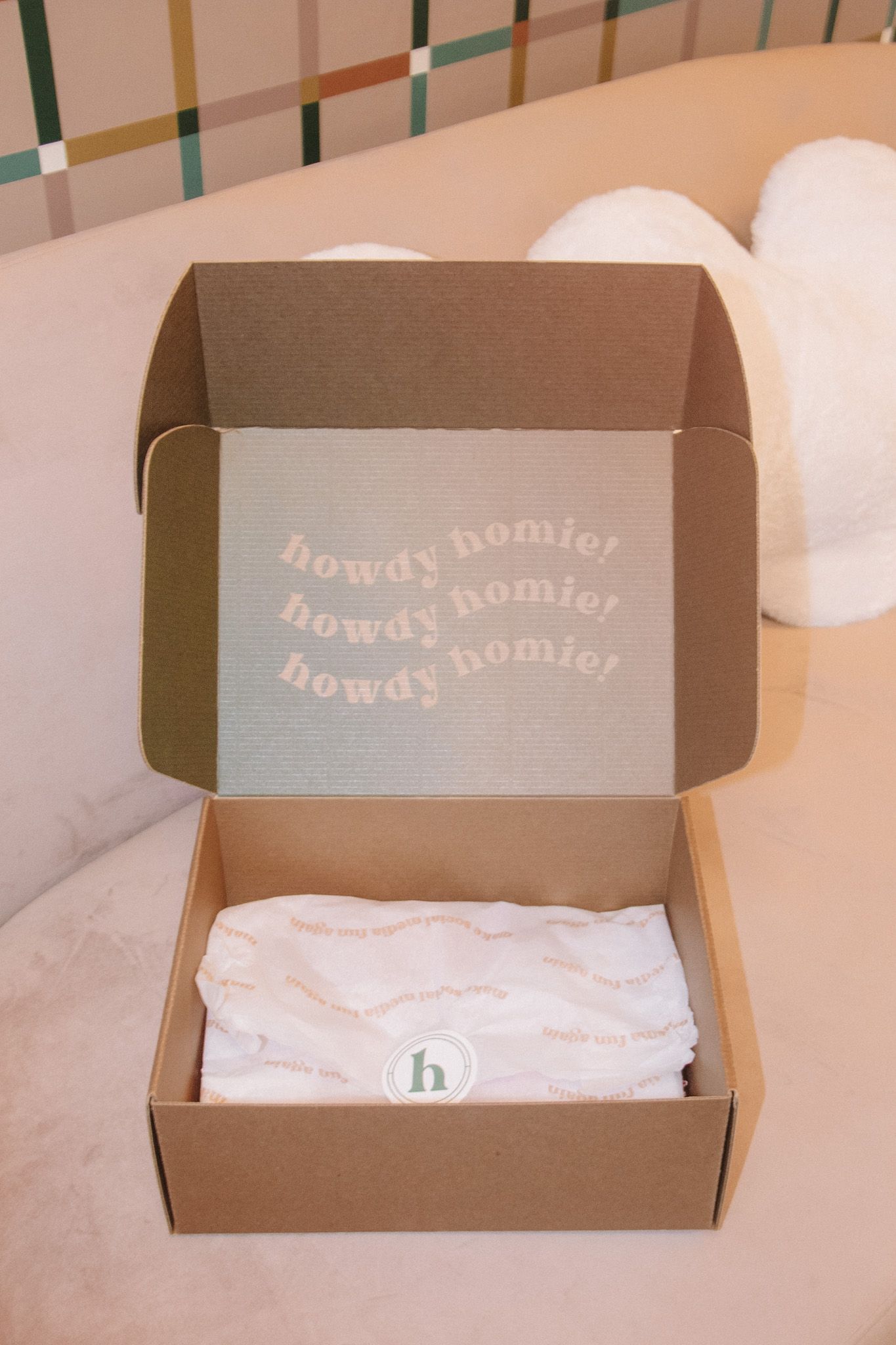
tendlyn Custom, Recycled Box by @howdyhomie
Making the switch to circular packaging marks a business owner’s ethical commitment to sustainability. It’s an intentional decision to stand up and do the right thing for the planet.
But here’s a final reminder: as you venture into the world of circular packaging, don’t let your branding suffer. Strengthen it along with your circular strategy.
Browse our complete range of circular packaging solutions and become a circular hero today.