case studies
What is DTC? Is Now the Right Time to Launch a Direct-to-Consumer Brand?
When Casper had the audacity to launch with just one mattress option, the way we shopped for bedding — and almost everything else — was forever changed. The bed-in-a-box brand is one of a few early direct-to-consumer (DTC) brands that shook its respective industry with simplified offerings, lower prices, and stellar relationship-building.
Once, Casper was everywhere, popping up in ads in top podcasts and through direct mail. But since its domination, the company has struggled to profit. Just shy of two years after its IPO, the company
While the explosion of unicorn DTC brands of the 2010s has somewhat cooled, tempered by stories like these, the distribution model continues to grow in popularity—especially among young brands hoping to attract millennial and Gen Z customers. Even mega-brands like Pepsiare getting in on the action.
One January 2022 studyfound that65% of respondents intended to purchase from a DTC brand at least once this year, whileanother
Demand is high for brands who can answer the call while avoiding the pitfalls that have snared Casper and others. With annual DTC ecommercesalesprojectedto reach $161 billion in the U.S. alone by 2024,the time is nowto build your own DTC brand.
Here, we’ll take a look at the direct-to-consumer model, including its benefits and challenges, future trends, and how to build a profitable and sustainable strategy for your DTC business.
What is DTC?
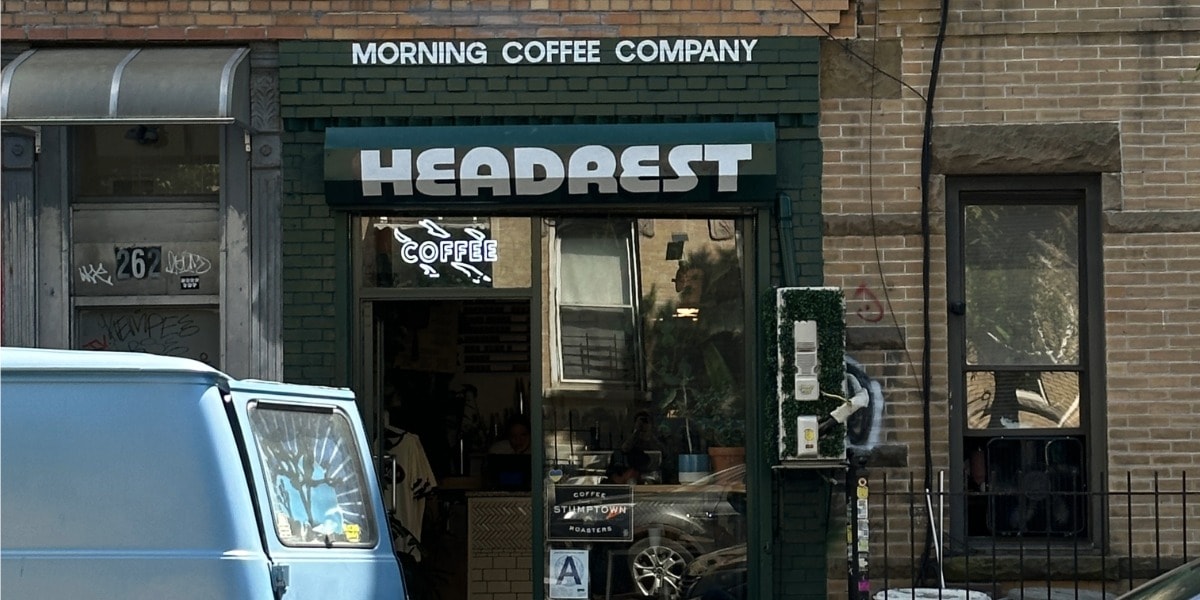
DTC, or direct-to-consumer, is a distribution model that involves a brand selling directly to its customers rather than through a third party like a retailer or wholesaler. This method often allows brands to offer lower retail prices due to cutting out middlemen.
DTC businesses, also referred to as D2C, often manufacture, market, and sell their own products directly. They have end-to-end oversight of their processes, giving them more control of their brand and direct access to their customers. Larger DTC companies are even bringing logistics in-house.
The origins of DTC: How retail business models have evolved over time
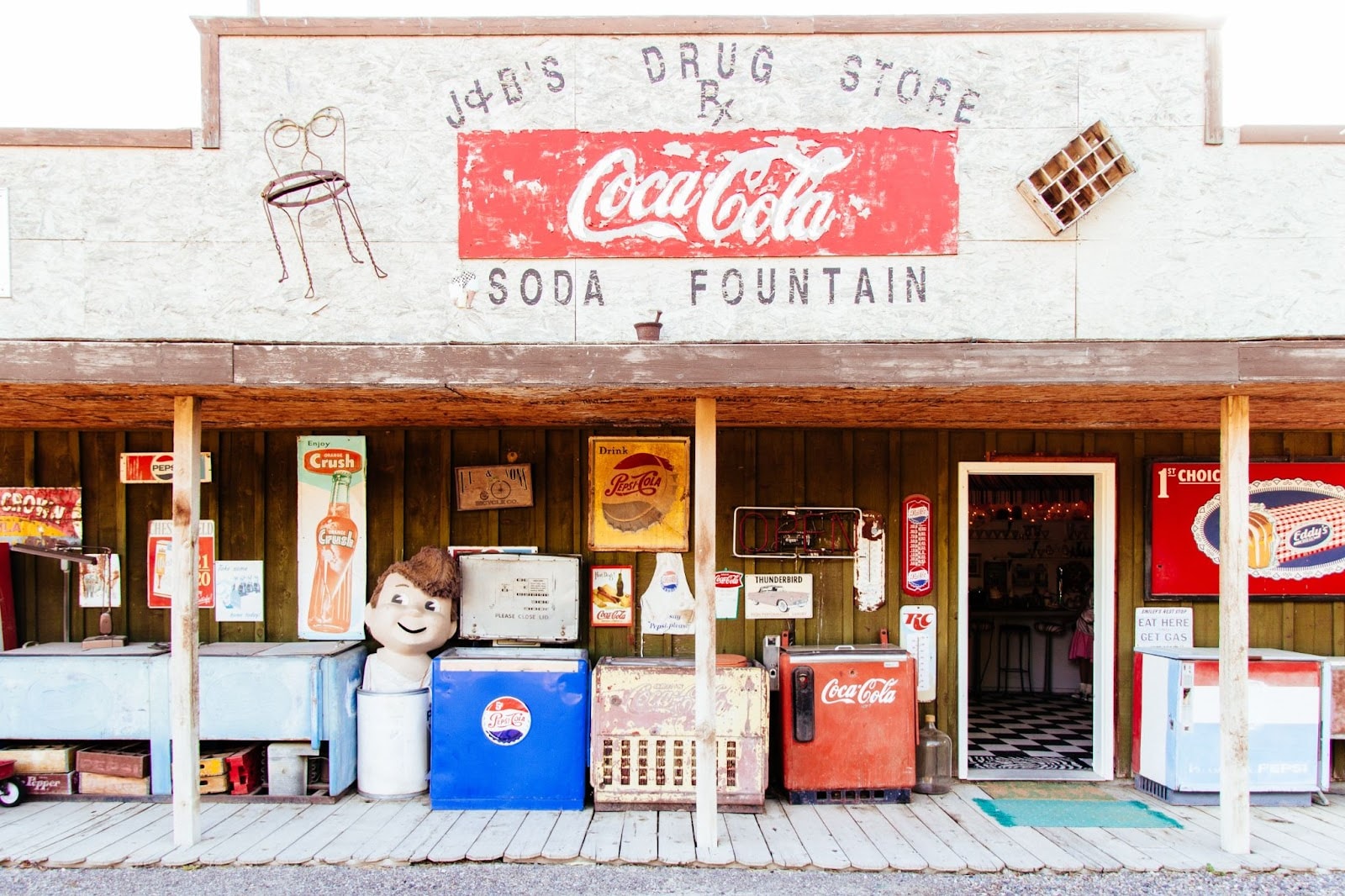
Image source: Unsplash
Before we discuss the pros and cons of DTC, let’s take a look at how we got here. While DTC does seem like a newer concept, it actually more closely resembles the earliest forms of commerce than it does most of the 20th century’s advancements.
Commerce pre-internet
The first evidence of currency nearly 5000 years ago followed later by the Greek agora laid the foundation for commerce as we know it today. A surge in European markets came next, as did mom & pop shops by the 1700s. These would become some of the first versions of the DTC model.
Department stores and mail order catalogues followed by the late 1800s. A post-war economic boom in the 20th century saw the introduction of credit cards, shopping malls, and by the 1960s, big box stores like Walmart. In the U.S., among suburban sprawl and consumer demand for convenience and choice, mom & pop shops struggled to keep up. Commerce would look this way into the 1990s.
Commerce post-internet
Then, the internet ushered in new ways to connect, buy, and sell. The first recorded ecommerce transaction happened in 1994, followed by the launch of Amazon as an online bookseller. Then, eBay launched its marketplace product, kicking off C2C (consumer to consumer) online commerce, and PayPal joined in 1998, simplifying online payments.
Ecommerce platforms like Shopify and Magento and handmade marketplace Etsy emerged in the 2000s, democratising commerce with low-code tools that enabled a DTC comeback.
Social selling followed with the introduction of products like Facebook Shops in 2010, Buyable Pins in 2015, and Instagram Shops in 2020. This coincided with a 2010s surge of successful DTC brands like Warby Parker who could now reach customers directly across a number of platforms. The popularity of these D TC brands inspired others to follow suit.
Today, more major brands like Nike, Unilever, and Heinz are adopting or investing further in DTC strategies—including Amazon with its own private label brands.
DTC, B2C, and B2B: What’s the difference?
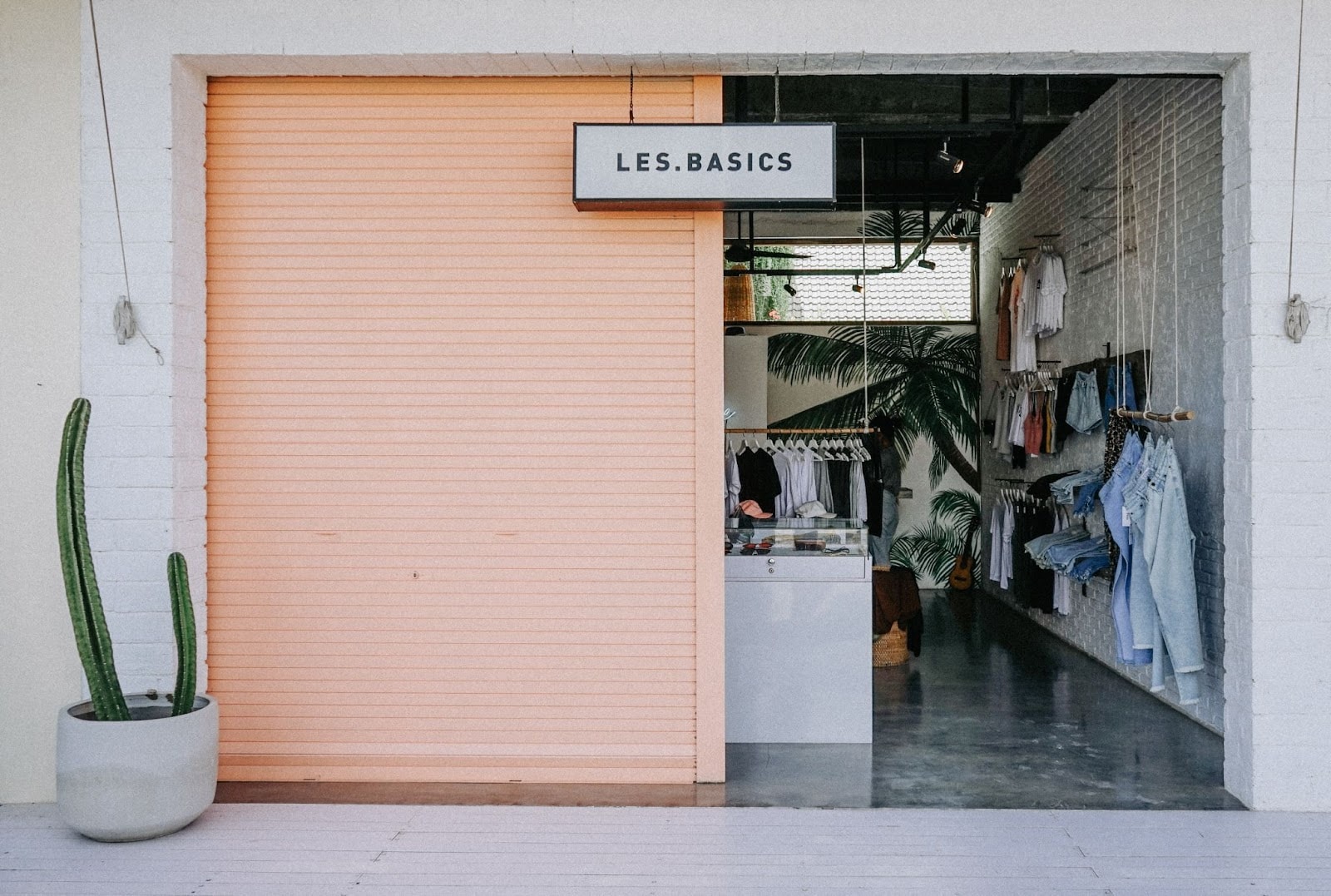
Image source: Unsplash
B2B stands for business-to-business, referring to businesses whose customers are also businesses. Examples of B2B include companies that produce machinery that enable other businesses to produce products, SAAS companies, white label manufacturers, and custom packagingbrands.
B2C stands for business-to-consumer, and includes brands that sell products or services to consumers, either directly or through distributors, wholesalers, or retail partners. Examples include consumer packaged goods (CPG) like toothbrushes purchased at a physical store, handmade goods sold on Etsy, and online fashion stores.
DTC is a type of B2C business with the exception that it generally only sells direct to its customers either through online or brick and mortar stores. Eventually many DTC businesses will explore other channels like wholesale in order to expand into other markets or scale more quickly.
Other models you may have seen are:
Benefits of the DTC distribution model
Building a DTC brand has many benefits, with many founders opting for this model to have greater control over their brand and connection with customers. Let’s explore these and a few other upsides to DTC.
Challenges of the DTC business model
While using a DTC distribution model clearly has plenty of benefits, there are risks. Before you make the leap, be sure to understand some of these challenges so you can anticipate them as you grow.
7 best-in-class DTC brands
When you think of DTC, a few names usually come to mind. That’s because these early disruptors exploded into the market and paved the way for so many after them. The likes of Warby Parker,Dollar Shave Club, andBonobos
Since then, there have been countless examples across industries, from sporting gear to jewellery. Here are a few success stories to inspire your own.
1. York Athletics
2. UKLash
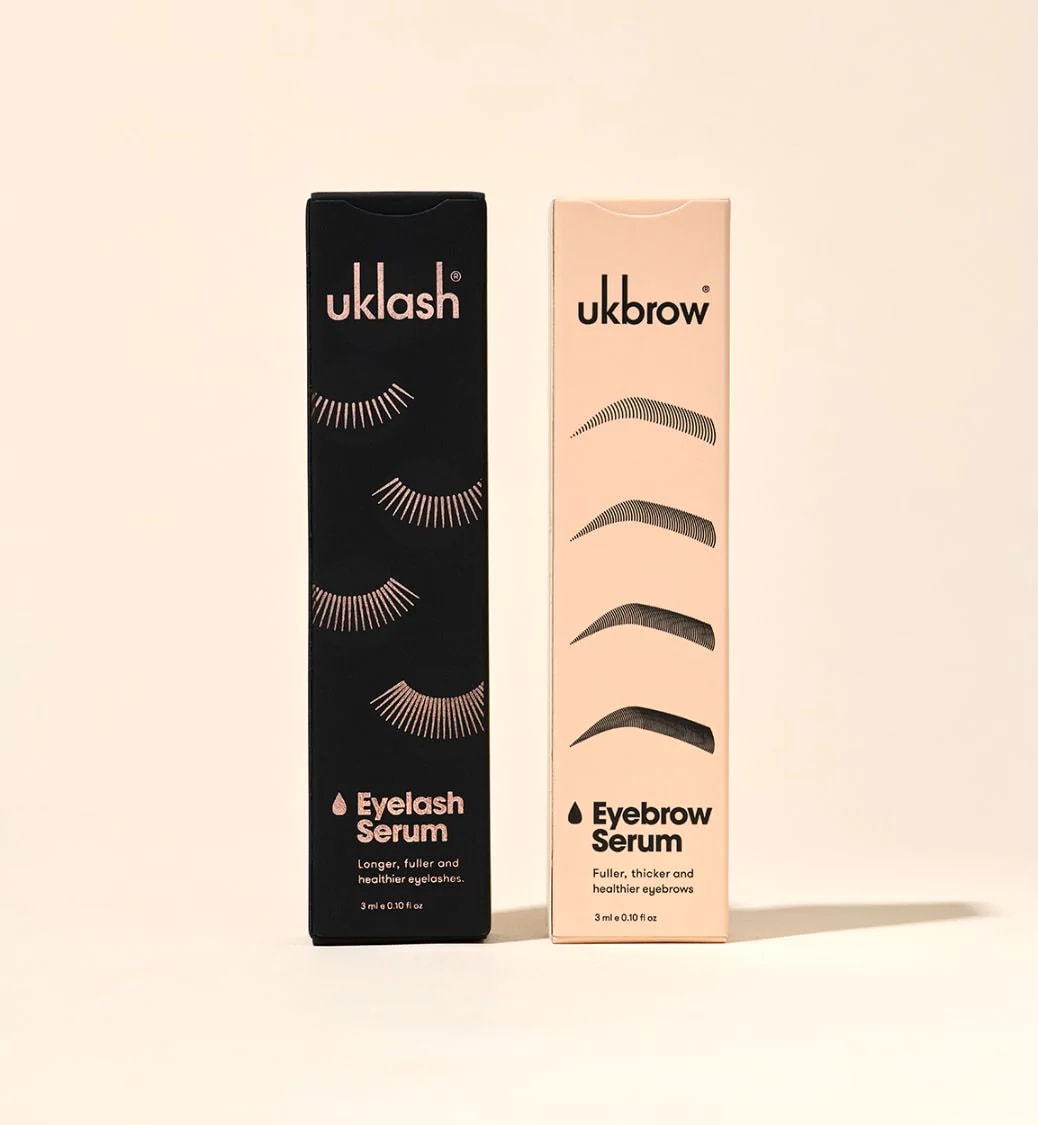
Why it works: In a saturated beauty industry, UKLashhas a stronghold. The brand leverages UGC and photo reviews—threaded through its website and social strategy — turning real customers into brand ambassadors.
3. Boie

4. Pure Cycles
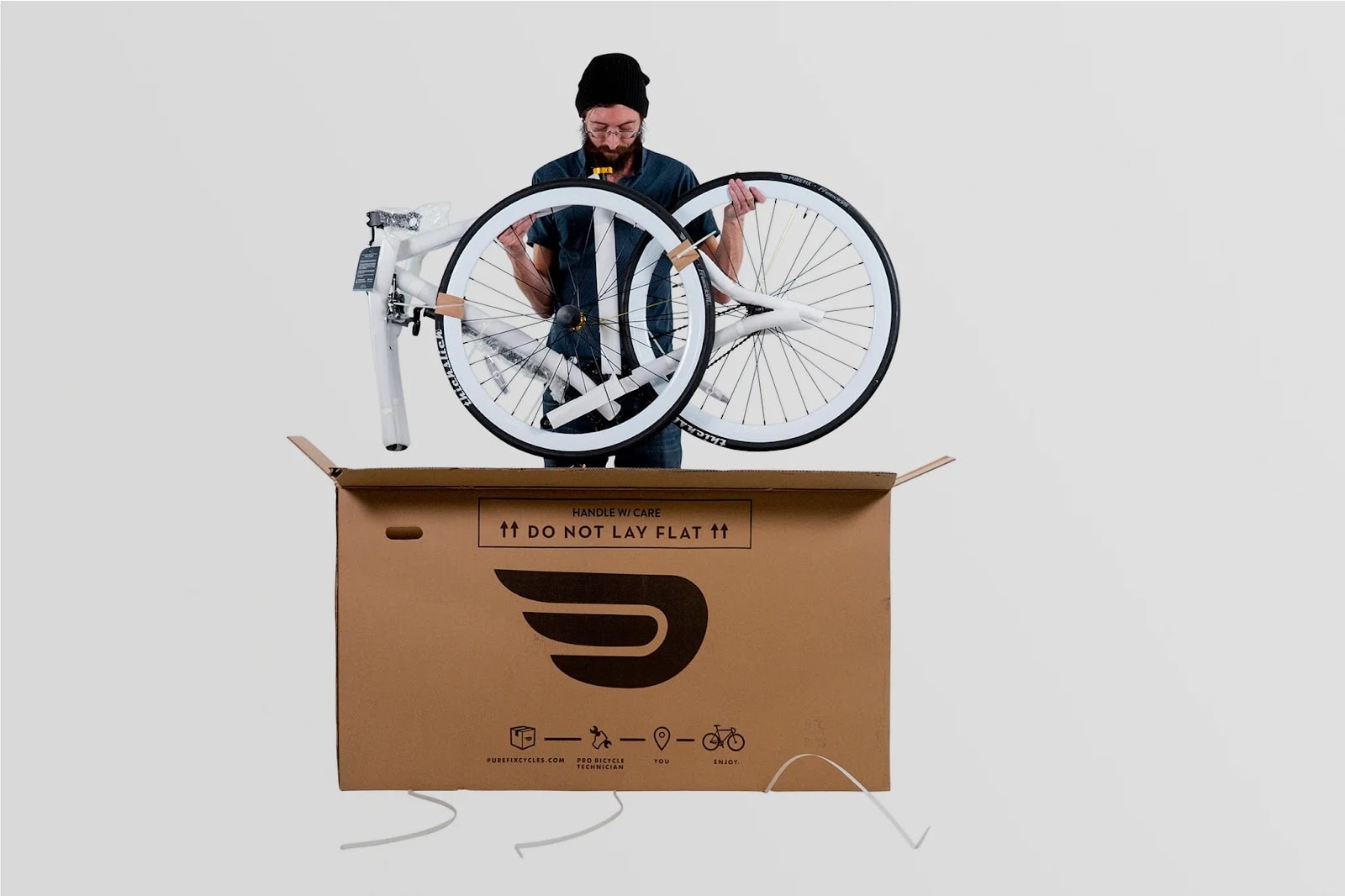
5. Nixit
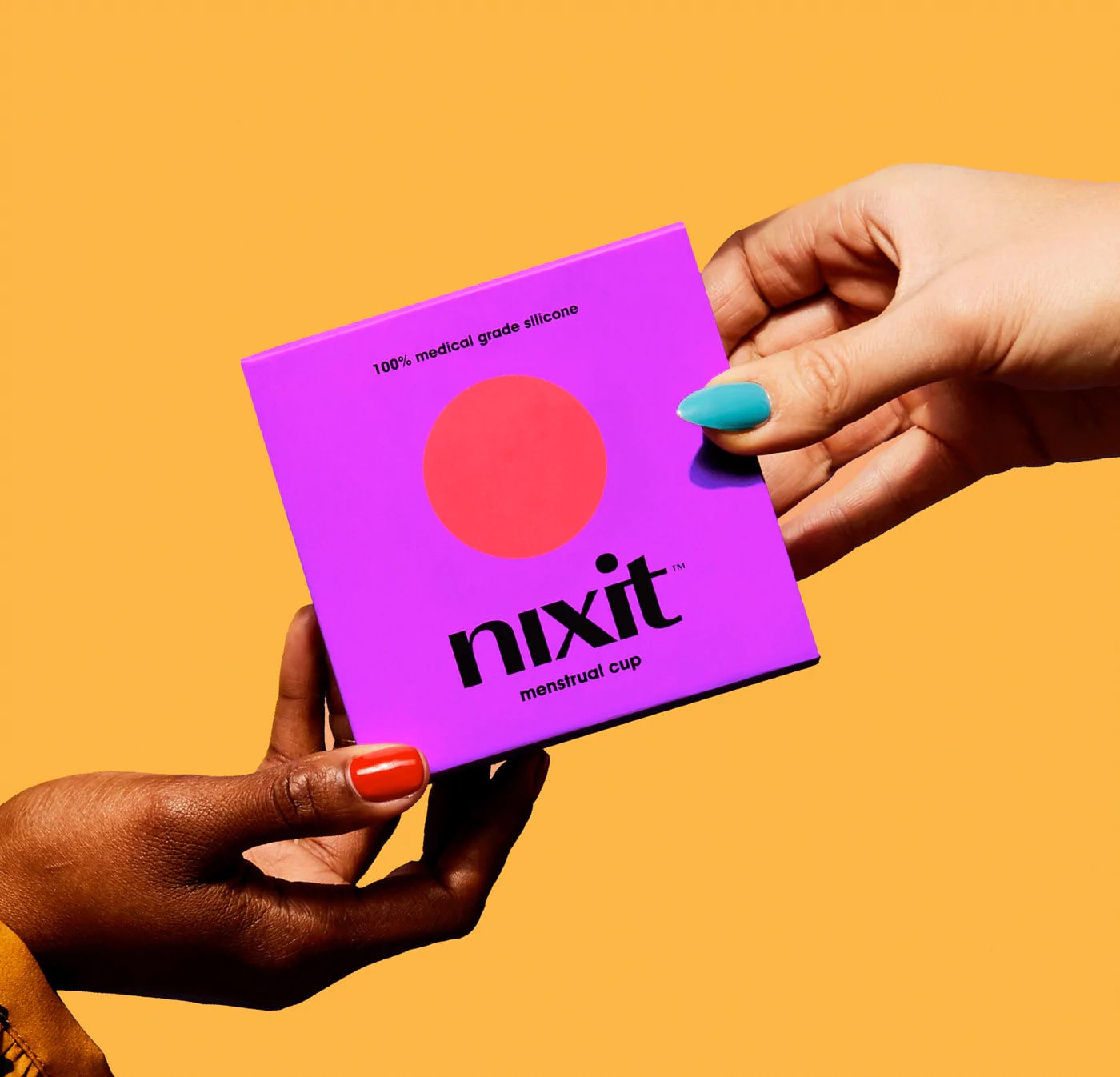
Why it works: Clear brand values and an iron-clad value prop make period brand Nixita winner in the space. The brand’s “Why Nixit” page speaks to how it solves common issues with disposable products, and its commitment to sustainability.
6. Harper Wilde

Why it works: Buying bras online (or anywhere for that matter) can be a harrowing experience. Harper Wildesucceeds in the landscape anyway by replicating the best parts of in-store experience with top notch customer service and virtual fitting appointments. The brand also rewards loyalty with its membership program.
7. Mejuri
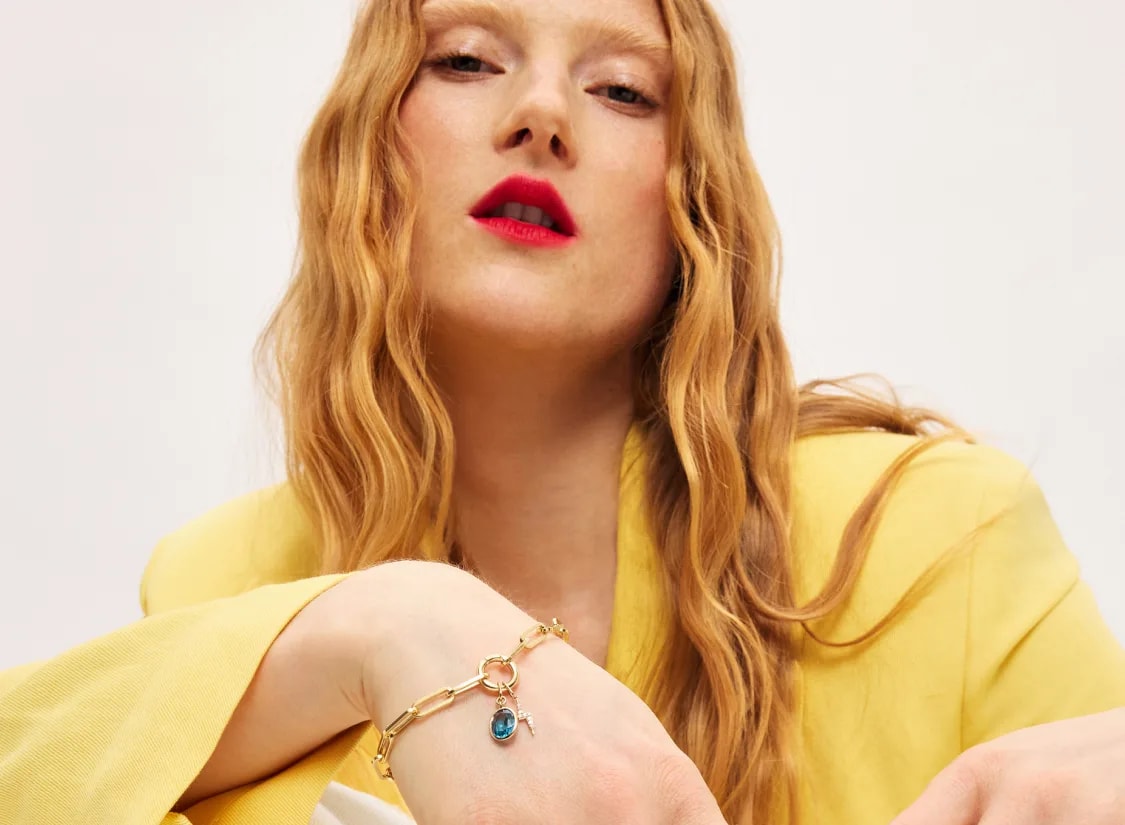
Why it works: Affordable fine jewellery was a big trend to emerge from the DTC surge a decade ago, with Mejurias one of its stars. With transparent pricing, the brand’s DTC strategy eliminates high markups common to the industry, helping it enjoy sustainable success.
Is now the right time to start a DTC brand?
As discussed, the DTC market has cooled since the boom of the early 2010s—and that’s a good thing. Investors are more tentative, meaning DTC founders need to prove themselves and watch spending. A more careful approach at the outset will help these future DTC leaders build businesses with sustainable growth and less risk.
DTC today: what should you watch out for?
High competition is one of the biggest hurdles for DTC businesses today. Early disruptors enjoyed the good life — and then the copycats followed, some even taking the idea further. This competition means that rates to acquire customers are higher and Return On Advertising Spend (ROAS) is impacted.
Growing too fast is also a common pitfall. Outdoor Voices struggledto keep up with the early hype, raising more than it needed. The brand grew too fast and overspent while “neglecting the fundamentals,” as ousted founder Ty Haneytold Inc.
DTC brands can also fall prey to losing focus. What makes many of the top DTC brands so popular is that they do one thing really well. Casper launched with just one mattress, appealing to the majority of sleep styles, and simplifying shipping. Glossier similarly won in the cosmetics sphere, going deep on a few products. When it made the leap to omnichannel, though, it did so too quickly, losing focus of its core business.
Lastly, supply chain woes brought on by the pandemic are still wreaking havoc for DTC brands. If brands don’t mitigate these issues and set customer expectations at the outset, they can damage reputation and pull focus from making great products.
DTC trends: how to stay relevant and succeed
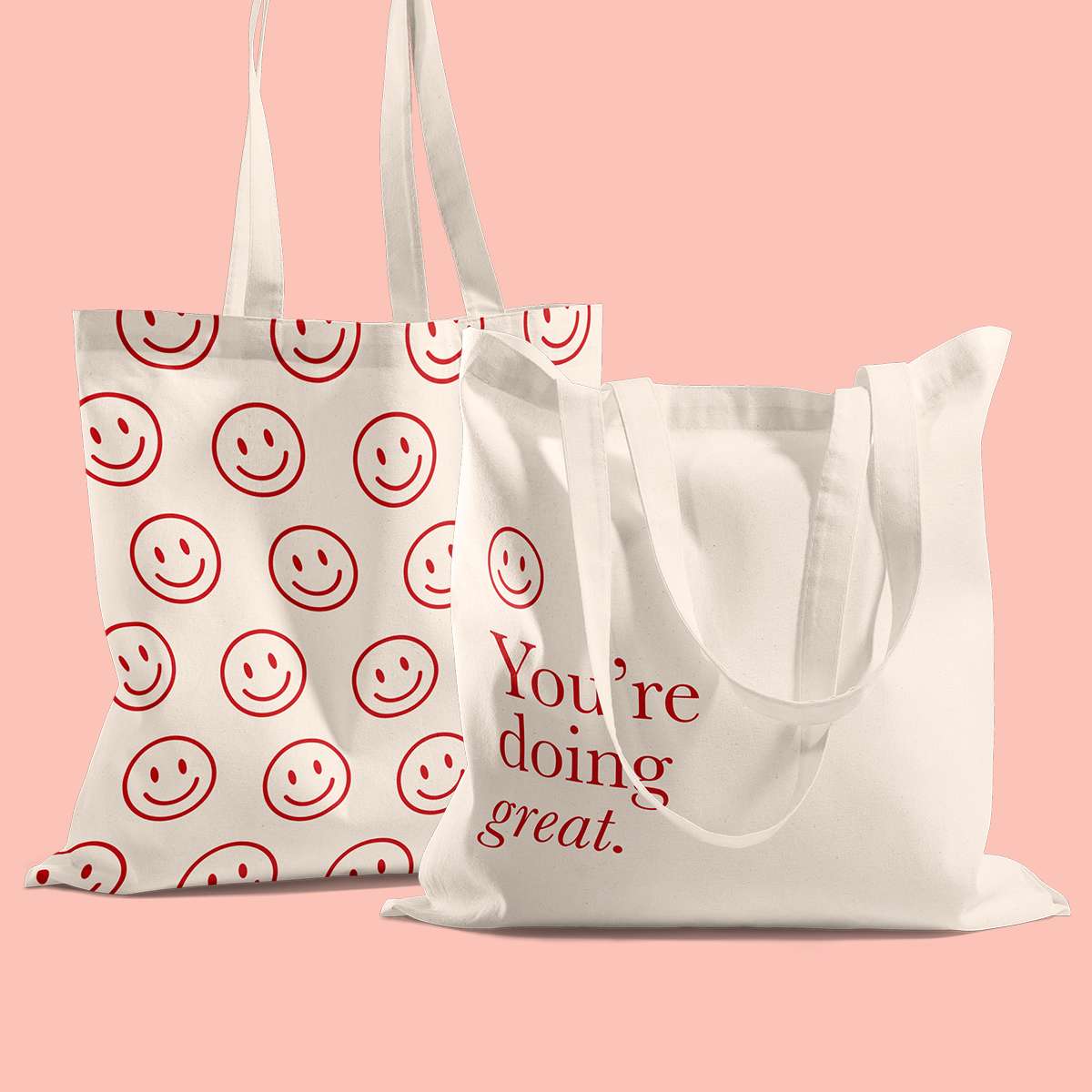
Custom branded totesas a gift with purchase can reward customer loyalty and build brand presence.
Current trends in DTC include personalization, collaborations, subscriptions, the move to omnichannel, and building community.
Let’s dig into each one:
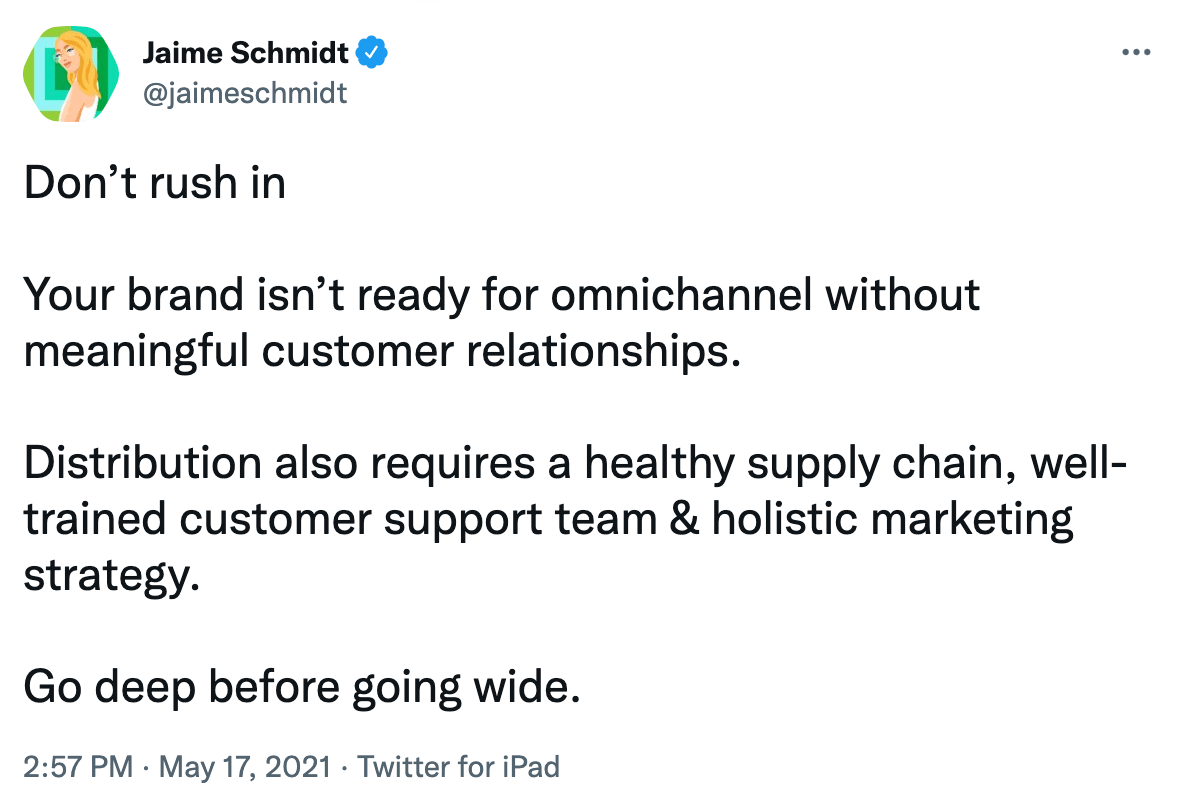
Jamie Schmidt, the founder of Schmidt’s Naturals grew and honed her DTC brand for years before partnering with retailers—and eventually being acquired by Unilever.
In the end, many consumers still consider price and convenience when making a purchase. According to one survey, price was the primary factor in deciding to buy from a DTC brand for 58% of respondents while 36% cited free returns and fast delivery respectively as their top considerations.
Wrapping It Up
It’s a tall order for emerging DTC brands but those that enter the market with a new idea, a solid brand POV, a unique customer experience, and a commitment to playing the long game with growth can still win in this space.