case studies
Why It's Worth It for Your Apparel Brand to Go Green
When it comes to the world of commerce as a whole, eco-consciousness has been thought of as a niche rather than a norm. It’s cool for people whose businesses are centered around the idea of being eco-friendly, but it takes a lot of effort and isn’t a concern for “normal” businesses, right?
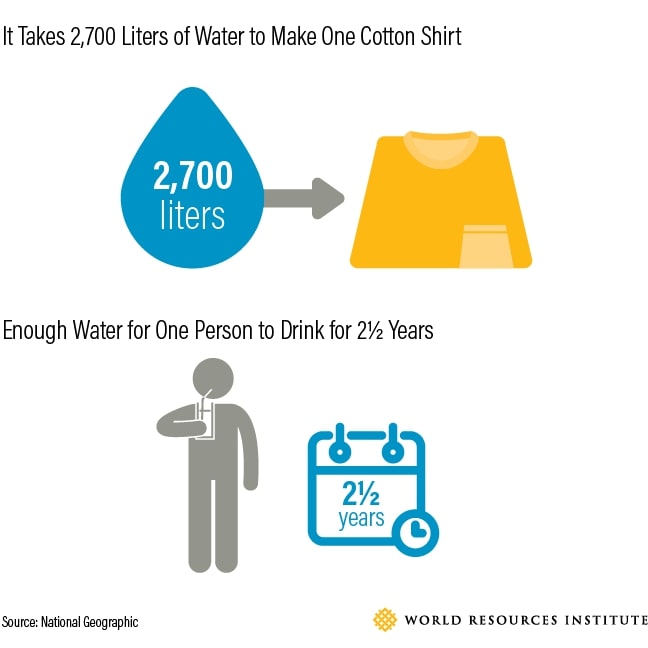
Image from the World Resources Institute
Polyester, on the other hand, is less water-intensive but emits more than double the greenhouse gases of cotton. More troubling still is that consumption is only set to ramp up. As consumers get more accustomed to “fast fashion” –– the cheaper, quicker production of clothes –– they are more likely to wear garments for a shorter amount of time and demand more clothes. In fact, in 2014, the average consumer bought 60% more clothes than in 2000, but kept each garment for only half as long. Consumption is only expected to increase –– up from $1.8 trillion in 2015 and $1.0 trillion in 2004.
Why It’s Worth It for Your Brand To Go Green
When faced with the facts of the apparel industry’s footprint, it’s easy to think the problem is too big for you and your small apparel line to make a difference. We all know that on a large scale, bigger corporations have a huge environmental footprint, and therefore have a responsibility to take steps towards fixing it. But on an individual or small business level, is it really possible to make an impact in helping the planet?
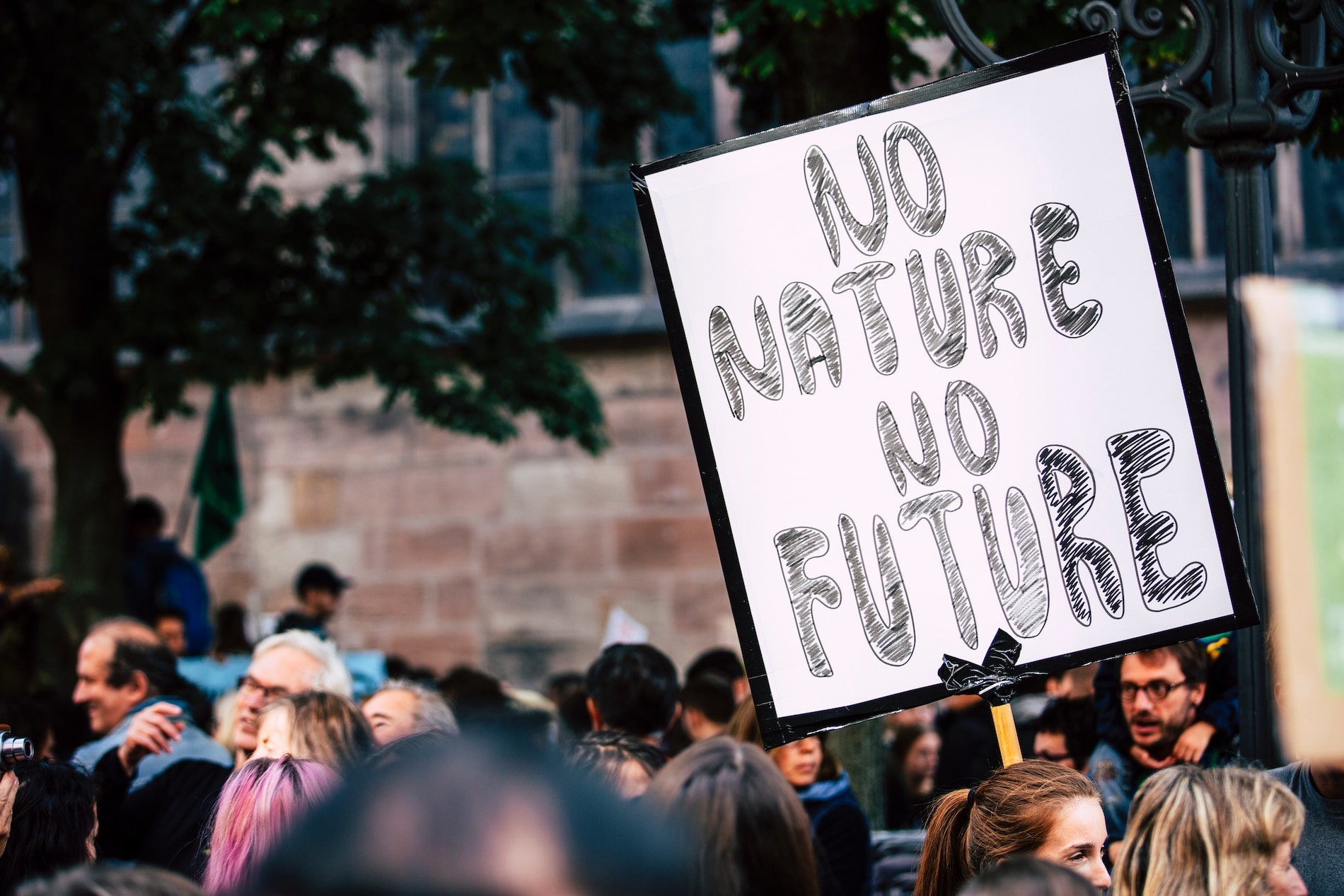
It Really Does Help the Environment
Well, think of it like voting. In 2018, there were 153 million registered voters in the United States. As an individual, that means your vote is just one of potentially 153 million, which can feel pretty insignificant. But if, for example, women between the age of 20–34 decided not to vote, that would have the impact to sway an election. Similarly, small businesses have this opportunity. Research from JPMorgan shows that small businesses make up 99% of businesses in the United States. And if 99% of businesses decide to start practicing sustainability, real change is going to happen!
It’s a Win For Your Brand (and Your Bottom Line)
It’s easy to think of choosing sustainable goods as a sacrifice to your bottom line, but really, the opposite can be true. Now more than ever, consumers are not only preferring, but expecting the brands they buy from to make an effort to be eco-conscious. A 2017 study from Cone Communications found that 88% of consumers will be more loyal to a company that supports social or environmental issues, and that 92% would trust these companies more. Practicing environmental sustainability goes further than just being well thought of, though. There can be serious revenue implications as well!

In fact, according to Inc., 73% of millennials are willing to spend more money on sustainable goods, along with 66% of the general population. That’s a large percentage of people! And it’s only set to get bigger. More proof? Just ask Yvon Chouinard, founder of Patagonia. While explaining his company’s success in an interview with Inc., Chouinard says “I know it sounds crazy, but every time I have made a decision that is best for the planet, I have made money.” He sure has. Over the past 46 years, Patagonia has become a billion-dollar global brand, and the connection between profits and focus on sustainability is no coincidence.
What Your Small Apparel Brand Can Do About It
Deciding to go sustainable can sound intimidating. It’s easy for corporations to make the switch, as they have the resources to dedicate towards identifying and eliminating waste, but what about you? The good news is that advances in technology and resources are making it easier than ever to produce and sell a variety of eco-friendly goods and services. Sustainability practices vary somewhat with the type of business, but here are three easy practices that can apply to almost any upstart business.
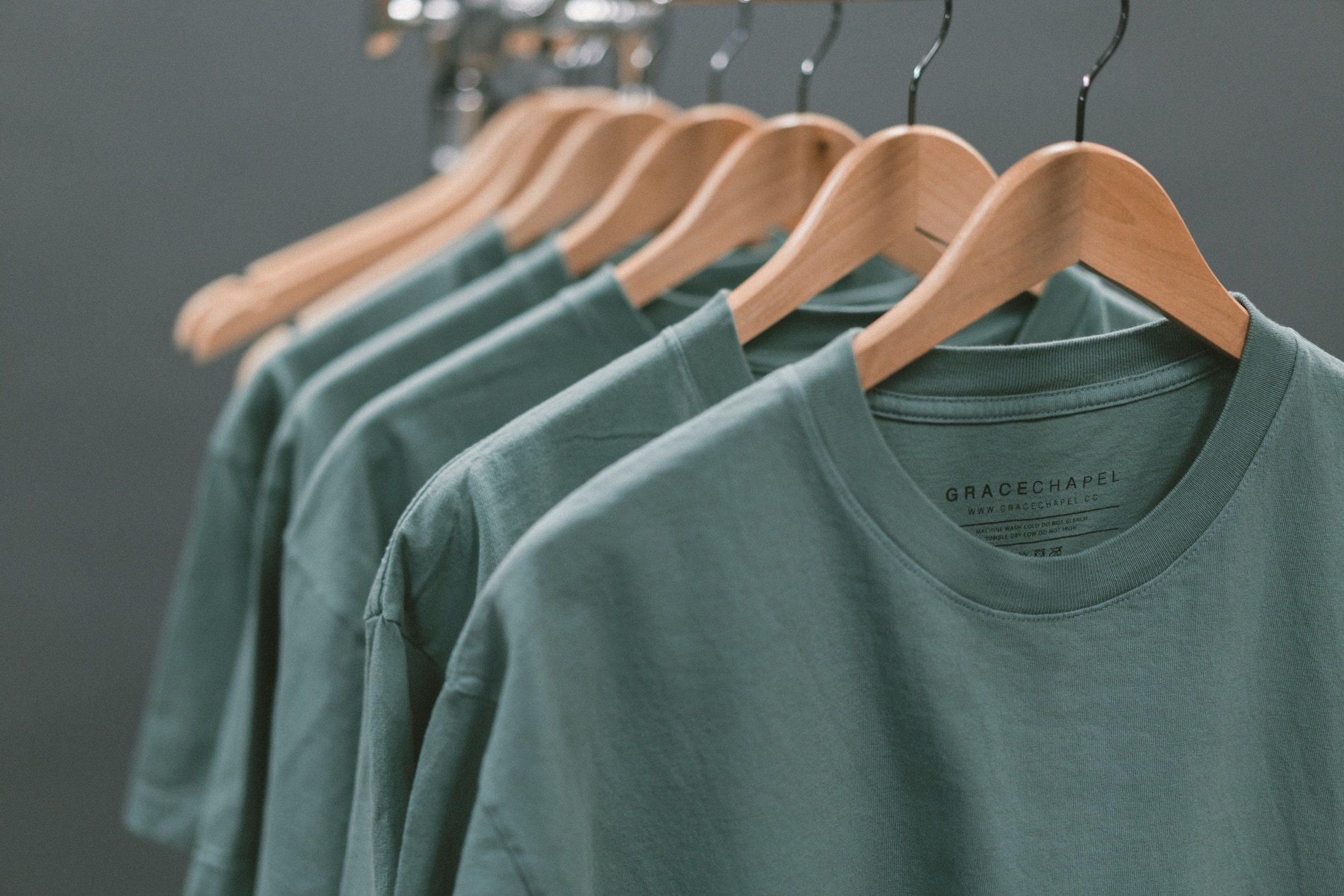
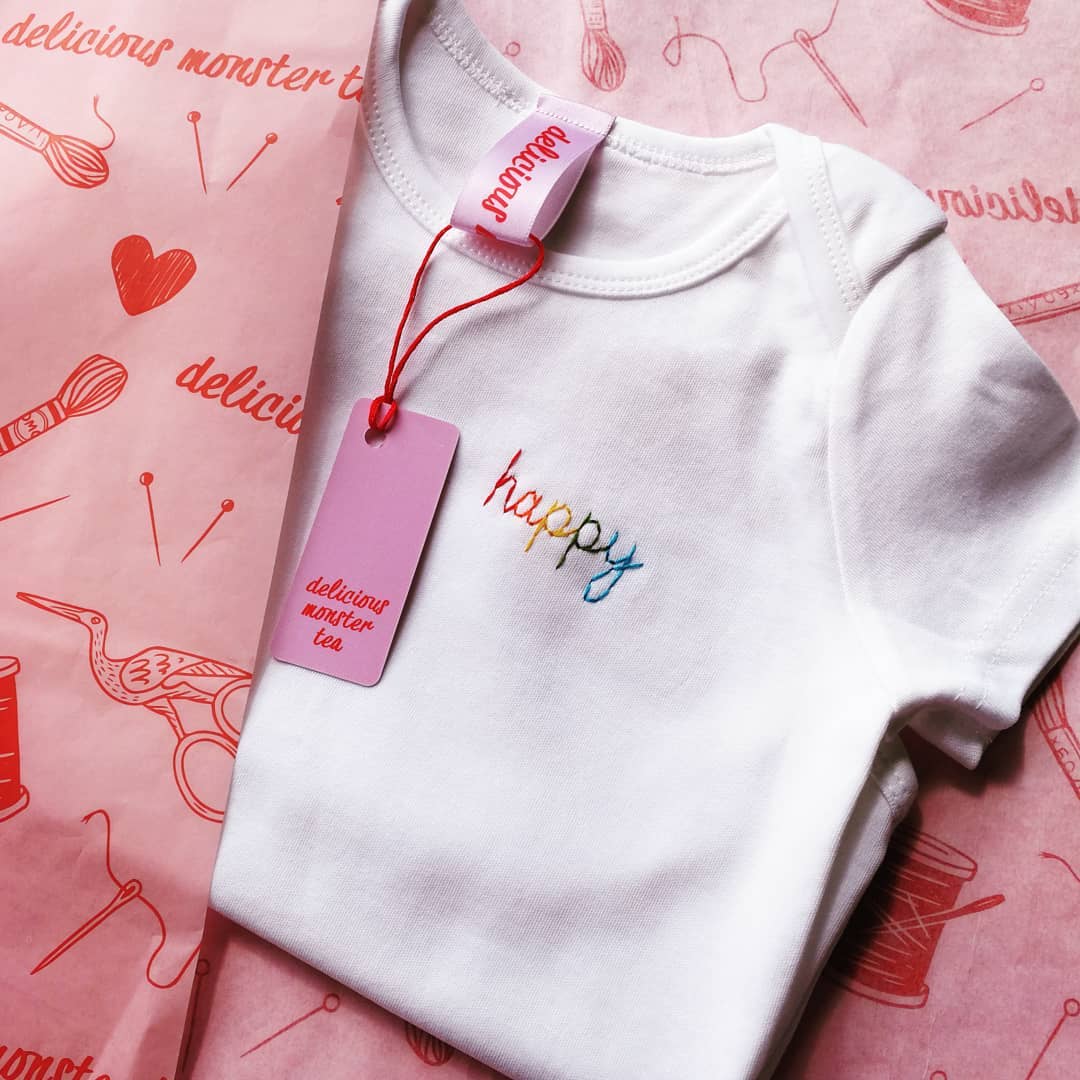
1. Offer Eco-friendly Apparel
Remember what we said earlier about millennials being willing to pay more for sustainable products? Well, give them something to buy. If you’re selling t-shirts, this could mean printing on sustainably produced t-shirts. Keep an eye out for manufacturers who source 100% organic cotton, or even better, hemp, for their shirts. Think of it like choosing a relay switch kit for your production line—it’s all about making the right connection to improve efficiency and reduce waste.
2. Use Sustainable Packaging
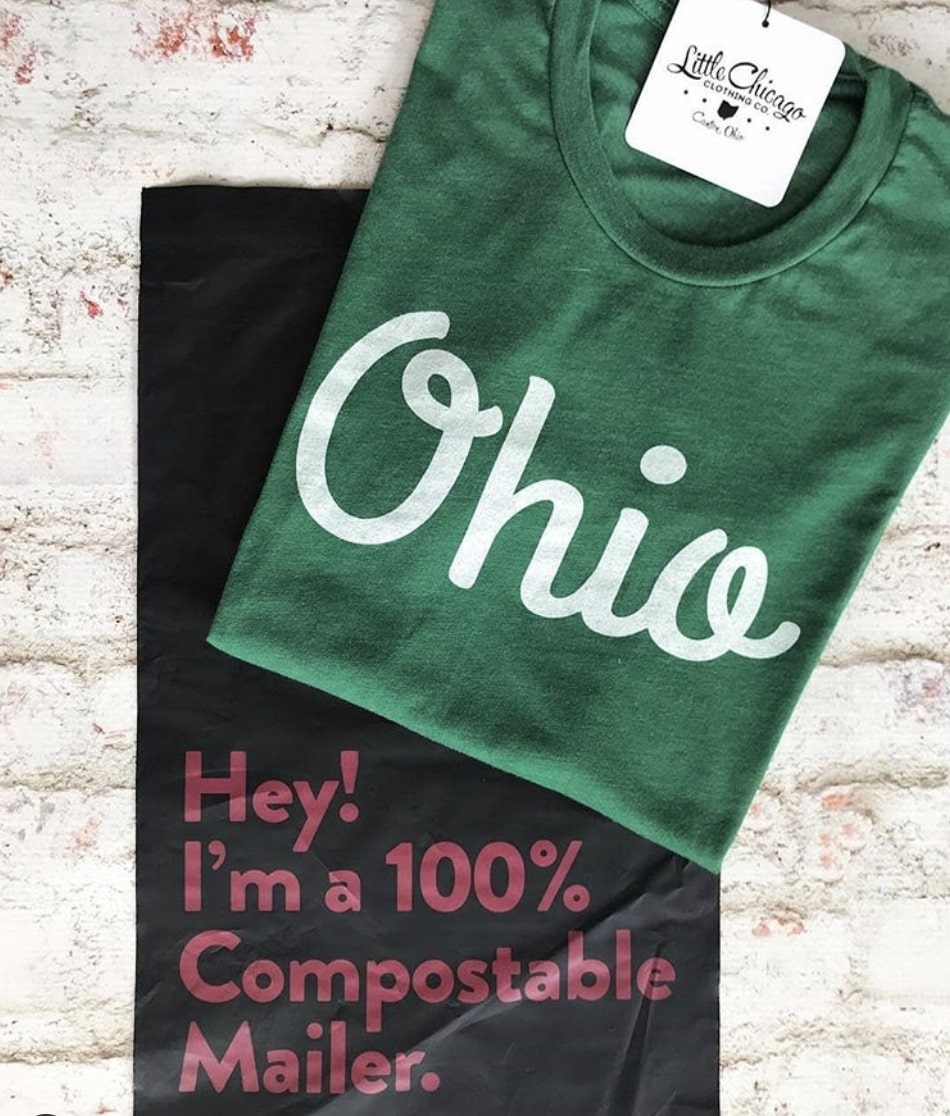
Sustainable packaging is another tangible, easy way for businesses of any size to reduce the amount of waste they produce. If you sell your products online, then you will be using packaging for every order you send out. So, it’s important to make sure your packaging is leaving a positive effect on the planet. Using paper or cardboard in lieu of plastic to package your products is a great start, or otherwise opting for compostable mailers rather than plastic poly mailers. All are easy, effective ways to upgrade your packaging! Eco-friendly packaging suppliers like tendlyn also offer their own sustainability initiatives, like planting a tree with every order. It’s a great commitment to advertise to your customers! Just as you might use a home automation relay to streamline your daily routines, these small changes streamline your brand’s environmental impact.
3. Donate to the environment
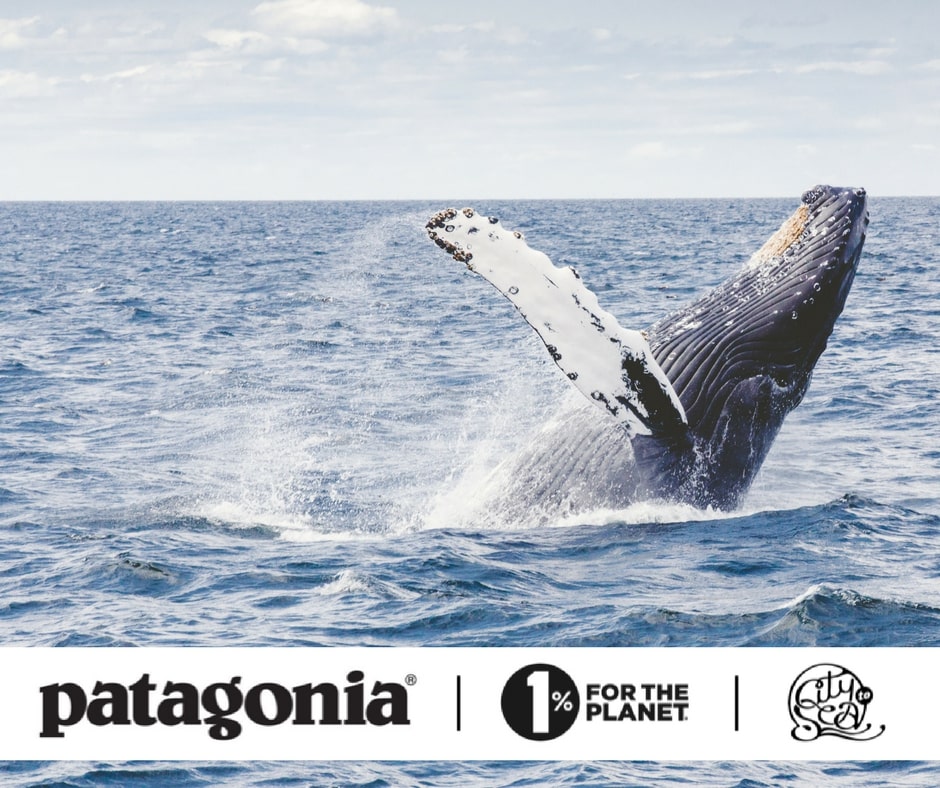
This is a big ask and is certainly a sacrifice, but consider donating 1% of your profits to environmentally-friendly causes. Patagonia pioneered 1% for the Planet years ago, and other major brands such as KeepCup and Honest Tea also take part. If you aren’t able to donate 1% of your total profits right at the start, you could also consider donating the profits from a specific apparel line (perhaps one with a specific nature focus!). Sustainable clothing brand United by Blue regularly organizes “Cleanups” in which they organize groups to remove trash from oceans and other bodies of water. The brand began in 2010, and to date, they’ve removed 2,068,927 pounds of trash from oceans and waterways!
The environment, your brand, and your bottom line will thank you for it in the long run! It doesn’t mean having to pivot your brand entirely to center around eco-consciousness, but even small, intentional choices about offering sustainable, reusable products will go a long way. Whether you’re setting up an industrial wireless power relay for a factory or simply choosing better packaging for your t-shirts, every step counts.
This is a guest post by Will Harris, Content Marketing Manager at Real Thread. He’s a word-obsessed marketer who loves to write about creativity, great design, and of course, soft t-shirts. Outside of work, you can find him being too particular about coffee and hanging out with his son, Ezra.