A weak plant shows up as curled board, color that drifts between lots, or a die that misses the dieline. You avoid that by writing the spec first, then checking the floor against it.
Write the spec before you ask for a quote
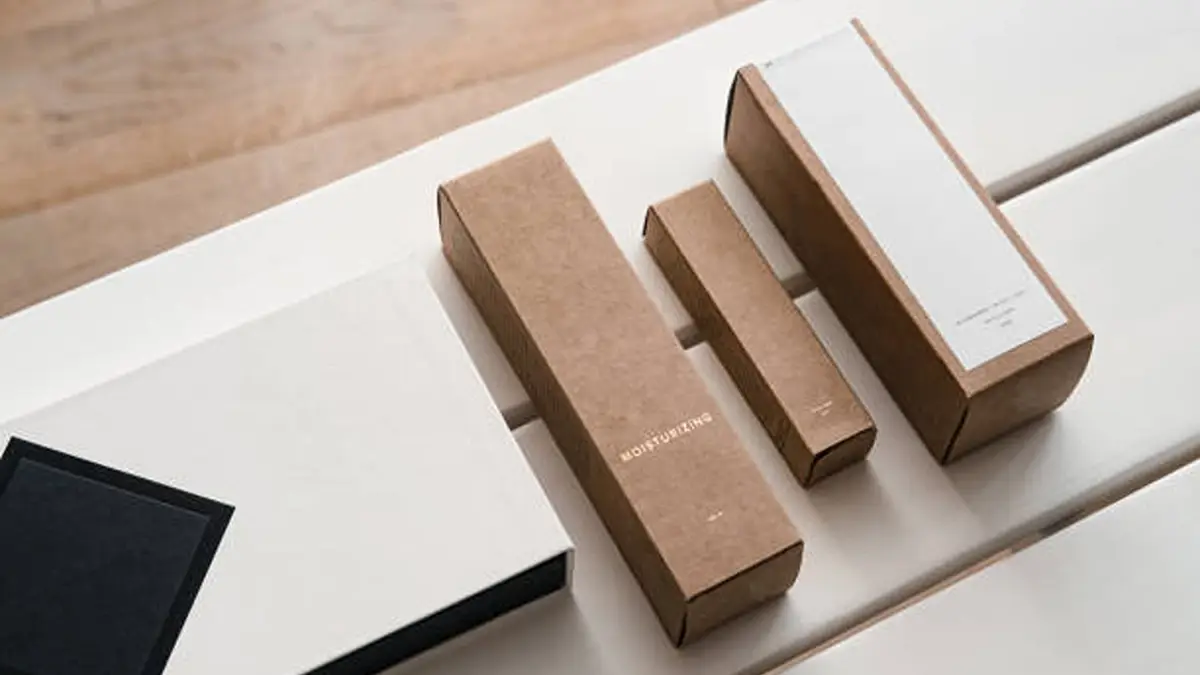
Two quotes are comparable only when both plants are pricing the same structure, board, and print. Put that on one sheet.
Structure and material
- Size and load. Internal and external dimensions, product weight, and the stack from the primary pack to the retail carton and the outer shipper.
- Board. Grade, the virgin-to-recycled mix if it matters to the claim, and any barrier for grease, moisture, or odor.
- Print and finish. Offset, flexo, or digital. A Delta E target for brand colors. Matte, gloss, aqueous, UV, foil, or emboss.
- Closure. Tuck, crash-lock, glue, tape, or a tamper-evident seal, and whether it has to keep up with your packing line.
Compliance, tests, and the commercial floor
- Market rules. Food-contact or cosmetic declarations for the country you ship to. Recycling marks the retailer will actually check.
- Performance. Name the protocol: an ISTA drop and stack, an ECT target, or a compression minimum for the shipper.
- Marks. Legal copy, batch or trace codes, and the panel they sit on.
- Commercial. Your quantity, whether a stock die is acceptable, and which certificates travel with the lot. FSC is available on request. A declaration of conformity should follow your spec.
Check whether you are buying from a converting plant

A trader can consolidate categories and take a smaller first order. The fee for that is a margin, plus a slower argument when a batch is wrong, because the broker and the plant can spend your ship window debating who owns the defect.
A plant quote is board, make-ready, and machine time. You can speak to the people who draw the dieline and run the press. That matters on a crash-lock, a rigid lid fit, a window, or a tight insert.
Guangzhou Tendlyn Trading Co., Ltd. was founded in 2009 in Guangzhou and converts paper packaging in its own factories in Foshan and Zhanjiang. The range is folding cartons, mailer boxes, rigid boxes, paper bags, and paper tubes. MOQ is 100.
What to verify before a deposit
- The business license should list processing or manufacturing of packaging. A scope that only says wholesale or import-export is a trading license.
- The workshop should be a factory address. Ask for a photo of the floor with your company name and the date on a sheet beside a running press or die-cutter.
- Match FSC and ISO certificates to the legal name on the contract, using the public register.
- One party should own the board, the print, and the glue. That is who you call when a lot fails.
Capacity is the good pieces the line can cut
Match the machine to the blank. Maximum sheet size, bag-making width, or tube diameter has to cover your dieline. A folder-gluer that cannot take your tuck length will not absorb the job after art is approved.
Walk print, die-cut, glue, and, for rigid boxes, the hand-wrap stations. Ask what a similar structure produced last month in accepted pieces. Theoretical press speed is a brochure number. Also ask where the kraft and boxboard come from, and how a promotion spike is scheduled. A short pilot on the real line shows material flow and operator habits before you book the run.
Board and print

Pick the grade for the job.
- Kraft takes a tear and carries a natural face.
- SBS and FBB are the white boards used when a retail folding carton needs clean color and a coated surface.
- Duplex is the usual cost board when the back can stay grey and the run is long.
- Corrugated is the shipper or the mailer. Choose the flute for cushion and for the print face.
Then control the sheet:
- GSM and caliper set stiffness and hand-feel.
- Low lint keeps dust off the plates.
- A smooth surface holds a halftone and a barcode.
- Moisture wants to sit near 5.5% to 7.0%. Outside that window you get curl, static, and registration drift.
- Grease and scuff resistance come from a coating, a varnish, or a laminate.
Print method follows length and art.
- Offset for tight registration, fine type, and brand color on retail cartons.
- Digital for short runs, seasonal art, and sampling. There is no plate.
- Flexo is the common route on corrugated.
- UV can be the cure and the finish. Confirm it will hold on the coating you specified.
On the visit, ask what is coated inline, whether metallic or pearlescent stock is primed for the ink, and whether moisture and board lots are logged.
Certificates that match the site
A logo on a slide is useless if the certificate covers a different mill or a different address.
- FSC or PEFC chain of custody traces fiber. Ask for the certificate. Scope and site should match the plant cutting the job.
- SFI appears on some North American fiber chains.
- GRS or RCS when you need a recycled-content percentage you can audit.
- ISO 9001 is the quality system. ISO 14001 is the environmental system.
- EN 13432 or ASTM D6400 only if the pack is actually claimed as industrially compostable.
- BRCGS Packaging is the hygiene bar many food and cosmetic programs expect.
The plant should trace a batch of board, ink, and coating. Food-contact jobs need the declaration your market asks for. A cosmetic carton needs the same discipline on inks and adhesives if your retailer requires it.
QC and the pre-production sample
| Check | What you measure |
|---|---|
| Strength | ECT or Mullen on the shipper, against the load you stack |
| Caliper and moisture | ISO 534 at 100 kPa; moisture near 5.5–7.0% under ISO 287 |
| Color | Spectrophotometer against the approved standard; many brands hold critical colors to a Delta E of 2 to 3 |
ECT is top-to-bottom compression of corrugated. Mullen is the pressure that bursts the sheet. Caliper drift is how a carton stops gluing the same way from lot to lot.
ISO 9001 tells you a system exists. The sample that matters is a pre-production piece from the same press, plates, and board as the bulk run. Agree an AQL under ISO 2859-1 before knives are in the press, including warped board and misregistered print. If the plant cannot state an AQL, or sample caliper misses the spec, stop there.
MOQ, schedule, and how to read a quote
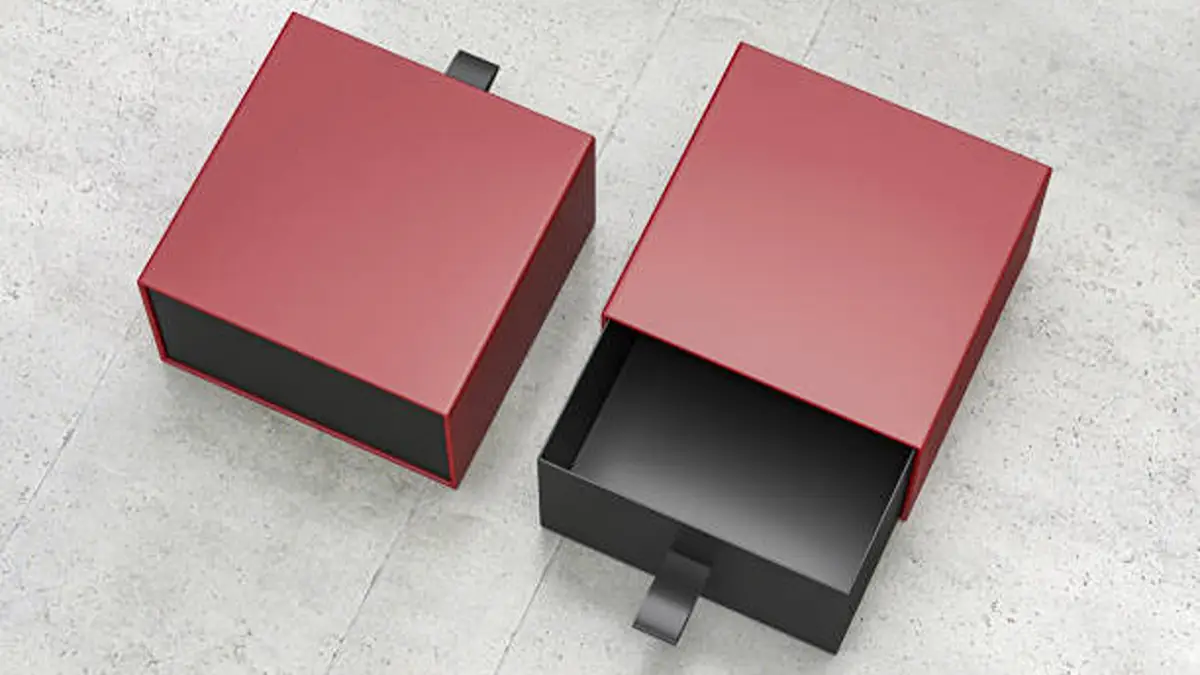
The quantity floor is make-ready: cutting die, plates, and the waste of getting color up. A window, a specialty coating, or a multi-piece rigid box raises that floor because setup touches more of the sheet. Digital drops the plate, so a short run is easier to justify. Tendlyn's MOQ is 100.
Ask the quote to split unit conversion, tooling, plates, sampling, and freight, and to name the Incoterm: EXW, FOB, or CIF. Ask for the same spec at more than one quantity so you can see where setup stops dominating the piece. The price is written after structure, board, print, and quantity are known. There is no standing price list.
If the first quantity sits under the plant's floor for that structure, change the spec: a die they already hold, a board in the rack, fewer stations on press.
Time follows the same logic. Each art revision, a rigid wrap, and a board that has to be milled all sit on the critical path. Ocean transit and customs sit on top of plant time. Build the schedule from artwork approval and a physical sample, then ask the forwarder for the freight leg.
How the job should be talked through
A bad dieline idles a press and scraps board. Agree who checks the vector file, how a revision is named, and who can hold the line. One person on the plant side should turn the spec into machine settings.
Treat unstructured email, a missing revision history, or a schedule that never mentions the floor as a reason to keep looking. Shared dates, on-time delivery, dieline cycle time, and defect scrap are enough to see whether the relationship is holding as volume grows.
Questions worth asking before you pay
Floor. Manufacturing scope, workshop address, and a live view of print and die-cut. Do they hold SBS, FBB, or kraft, and can engineering draw the dieline for your category?
Print. Offset, flexo, or digital on site. Aqueous, spot UV, laminate. The Delta E you will both sign, and how a lot is checked.
QC. An AQL plan, a pre-production sample on the production route, and a written response when print or board is out.
Commercial. MOQ by structure, tooling on its own line, and what happens when board is tight. FSC or PEFC chain of custody if the pack will carry the mark. Water-based inks and coatings when the recycler or the retailer requires them.
A pilot in the low hundreds costs less than a full run of cartons that collapse on a pallet.
For a plant that prints and converts its own paper packaging, write to info@axwp.com, call +86 158 1238 1273, or WeChat trimgem.
