A corrugated box and a folding carton are both paper. The board inside them is not the same. Corrugated is liners held apart by a flute. A carton, in the sense a buyer means on a shelf, is a folding carton cut from one sheet of solid paperboard.
Use the flute when the job is compression, cushion, or a parcel. Use the solid board when the job is fine print, a small transit cube, and a light retail pack. A lot of SKUs use both: a folding carton or a rigid box inside a mailer.
The two boards
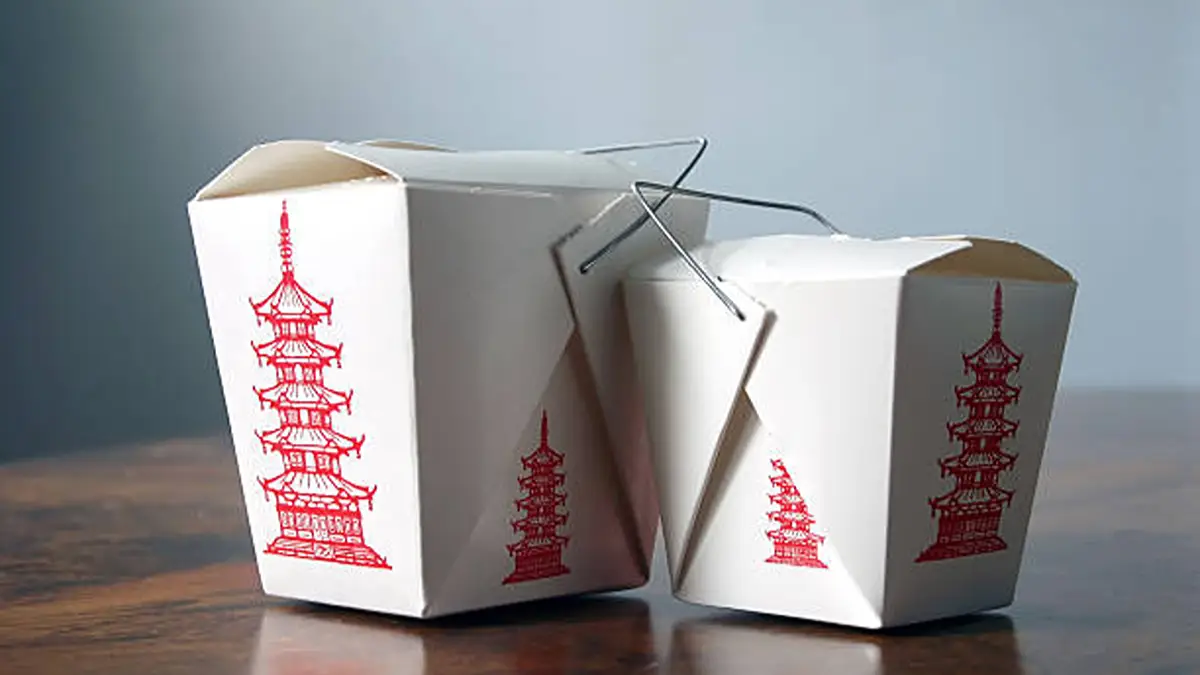
A folding carton is SBS, FBB, CUK, kraft, or a recycled grade, calendered and often clay-coated so offset has a smooth face. The blank is printed, die-cut, creased, and glued on a folder-gluer, or left flat. It folds because the board itself is scored. There is no flute to crush, and there is no flute to cushion a drop.
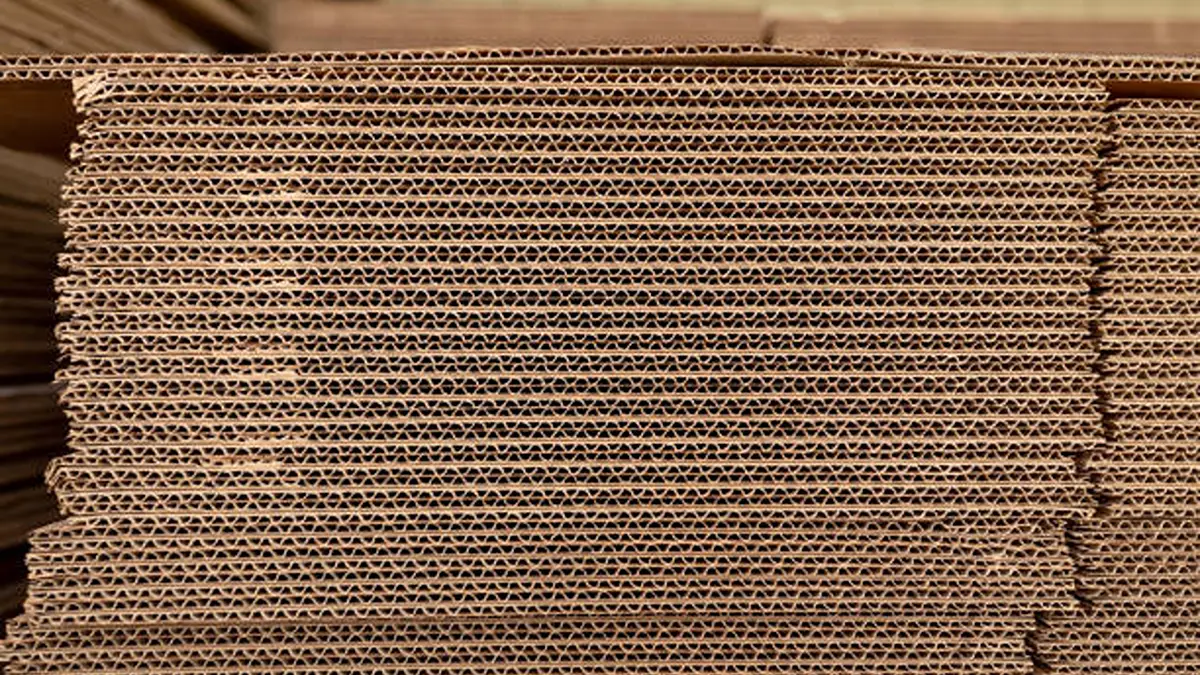
Corrugated starts on a corrugator. Medium is steamed, formed into a flute, and bonded with starch to one liner, then to a second. Single wall is two liners and one flute. Double wall adds another flute and another liner. The usual flutes are A, B, C, E, and F. A and C are the taller shipping waves. B is tighter and better in flat crush. E and F are the microflutes used for retail cartons and printed mailers.
A printer-slotter makes a regular slotted shipper. A die-cutter makes mailers and other shapes. Joining is glue, tape, or stitches.
Strength
The flute is a row of arches. Edge crush (ECT) and box compression (BCT) are the numbers that describe a shipper under a stack. A single-wall C or B flute carton carries cases on a pallet. A double wall is there for a heavier fill or a longer route. Crush the flute in storage and those numbers are already gone.
A folding carton is a shell for a bottle, a blister, or a bar. It keeps dust off and gives you panels to print. Stack a pallet of filled cartons with no shipper around them and the creases fold. Fragile goods inside a carton need an insert, and the parcel needs an outer. The carton is not the outer.
Moisture is a spec on both, not a property of the word "corrugated." Untreated kraft softens when wet. Aqueous coatings slow scuff and a light splash. Wax and extruded film are used on wet produce and some frozen packs, and they are the sheets a recycling mill may refuse. A humidity note belongs on the drawing before the board is ordered.
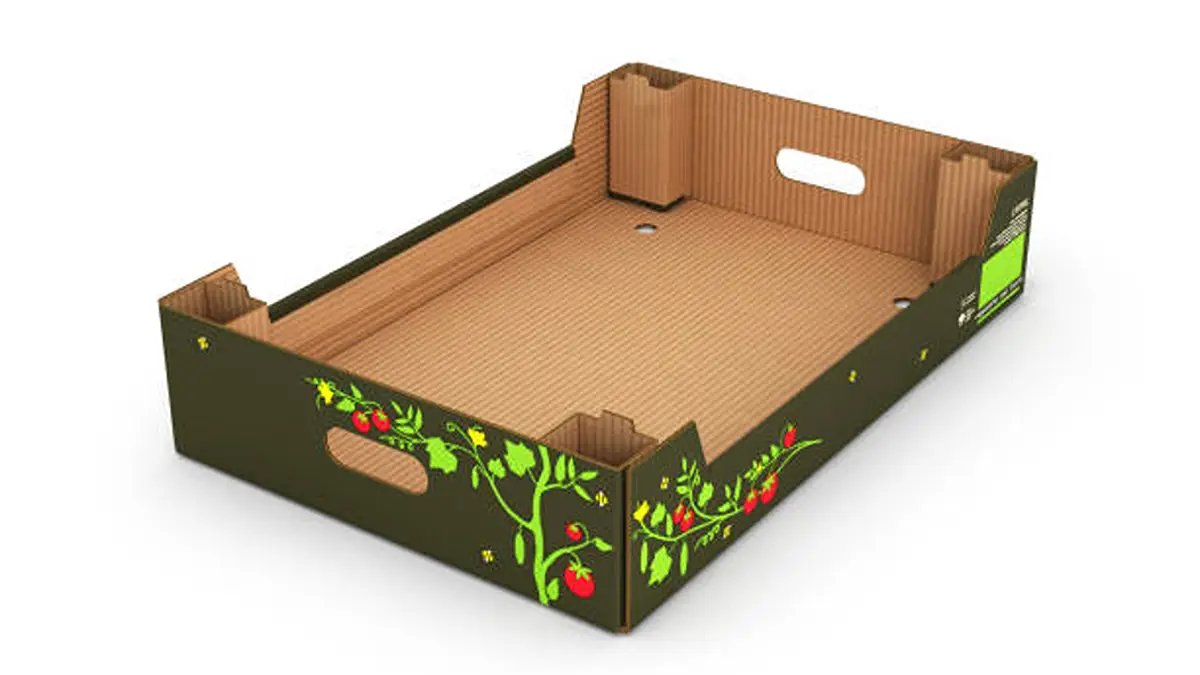
Solid board is the easier face for offset. Small type, a photograph, a spot UV, a foil, and an emboss are routine on a folding carton, as long as they stay off the crease and the glue flap.
Corrugated print depends on the flute. Flexo on C flute is right for shipping marks and a bold panel. It is a poor place for 6-point type. E and F flute take a finer flexo. A litho-laminated sheet brings offset quality onto a flute, at the cost of a second operation and a glued sheet that the recycling note has to mention.
Brands that need both put the photograph on the folding carton or the rigid wrap, and put the flute on the mailer. The mailer can still carry a clean flexo or a litho label. It does not have to be brown and blank.
What moves the cost
There is no standing rule that one board is the expensive one. The drivers are different, and the quote comes after structure, board, print, and quantity are known.
A folding carton moves with board grade and caliper, ink coverage, foil or spot UV, the die, and folder-gluer make-ready. A short run with two foils pays for tools. A repeat of the same blank does not.
A corrugated box moves with liner weights, flute, whether it is a slotted shipper or a die-cut mailer, and the print process. A plain slotted carton in a stock size is a different job from a full-bleed litho mailer. Both can ship flat, which is the freight advantage over a setup rigid box.
FSC fiber is available on request on either board, when the mill can pass the claim. It is not assumed. Any declaration of conformity follows the brand's spec.

Both fibers are recoverable. Folding cartons go with paperboard. Corrugated goes as old corrugated containers. The extras decide the outcome: a plastic window, a soft-touch film, metal stitches, a magnet on an inner rigid box, wax. Write the recycling line for the pack the customer throws away, which may be two pieces, not one.
Where each one is used
- Parcel and e-commerce shipper: single-wall or double-wall corrugated. A printed mailer in E or B flute when the box is also the brand face.
- Shelf unit for cosmetics, supplements, dry food, a small device: folding carton. Add an insert if the item can rattle.
- Bottle or jar that must not be crushed on a pallet: folding carton inside a corrugated case.
- Gift handed over in person: folding carton or rigid box. Gift posted: that pack inside a mailer, with the lid restrained.
- Produce or a chilled pack: corrugated with a moisture spec. Confirm the coating is the one your recycler will take, if that claim is on the box.
- A heavy part: double wall or triple wall, with a compression number in the spec. Hazardous goods are a separate, tested pack. A thick flute is not that approval.
Choosing for one SKU
| Corrugated | Folding carton | |
|---|---|---|
| Board | Liners and a flute | One solid sheet |
| Strength you are buying | ECT and BCT, cushion | A printed shell, not a stack |
| Flexo, or litho laminated to the flute | Offset, foil, emboss, spot UV | |
| Ships | Flat | Flat |
| Typical place | Master case, mailer, retail tray | The unit on the shelf |
Walk the product through the route before you pick.
- Weight and anything that can break. A glass bottle wants an insert and a shipper. A bar of soap wants a carton.
- How many times it is handled, and whether cases are stacked.
- The panel the brand has to print, and the smallest type on it.
- Whether the pack is the shipper, the retail unit, or an inner.
- Coatings and extras you are willing to explain to a recycler.
Guangzhou Tendlyn Trading Co., Ltd. has made paper packaging since 2009 in its own plants in Foshan and Zhanjiang. Folding cartons and mailer boxes are both in the range, with rigid boxes, paper bags, and paper tubes. MOQ is 100.
info@axwp.com, +86 158 1238 1273, WeChat trimgem.
