Cosmetic packaging in a paper plant means the carton, the rigid box, or the mailer around the bottle. The bottle, the pump, and the jar are a different factory. This is the paper part: what buyers are writing into briefs, and what those lines do on press.

The paper pack is the first surface a customer can keep. It also has to survive a shelf, a drawer, and a parcel. Material, structure, and print are the brief. A trend list is not.
What is showing up on real briefs
Paper instead of a plastic overpack
Rigid boxes, drawers, and folding cartons are replacing plastic sleeves on premium sets. The reason on the purchase order is usually recycling and a heavier hand, not a campaign line.
Recyclable as paper means you can name the fiber, the ink, the adhesive, and every film. FSC is available on request. It is a chain-of-custody claim for that order, not a default mark.
Less ink, one tactile finish
Uncoated kraft, a matte aqueous on C1S, or a black wrap with a small foil. Brands selling into Scandinavia and Australia have been asking for this combination for a while: large type, little photography, a finish you can feel.
Soft-touch film is still requested. Say if it is a film. A film is plastic. Aqueous soft-touch scuffs sooner and stays closer to paper.
A code on the pack, not a gadget
QR codes are going on inside panels for refill instructions, batch stories, or an authenticity page. NFC shows up on a few luxury SKUs. It is an inlay or a sticker with its own cost and a recycling question. If all you need is a link, print a QR at a size that still scans after coating. Keep it off the score and off the foil.
Structures that do a job
Refill sets need an outer box that survives more than one bottle. A collapsible rigid, or a drawer that still closes when the refill is smaller, has to be drawn that way. A dual-compartment drawer is two cavities and a wall between them. It is not a graphic.
Write the structure from the product:
- Rigid paperboard for perfume and cream sets. Greyboard, commonly 1,200–1,800 gsm, wrapped.
- Folding carton for lipstick, serum cartons, and anything that should ship flat. Ivory or similar folding board, often 210–400 gsm.
- Drawer when the open needs to feel deliberate.
- Corrugated insert or mailer when glass ships direct. E flute prints. The insert holds the bottle. The mailer does not have to be thick if the cavity is right.
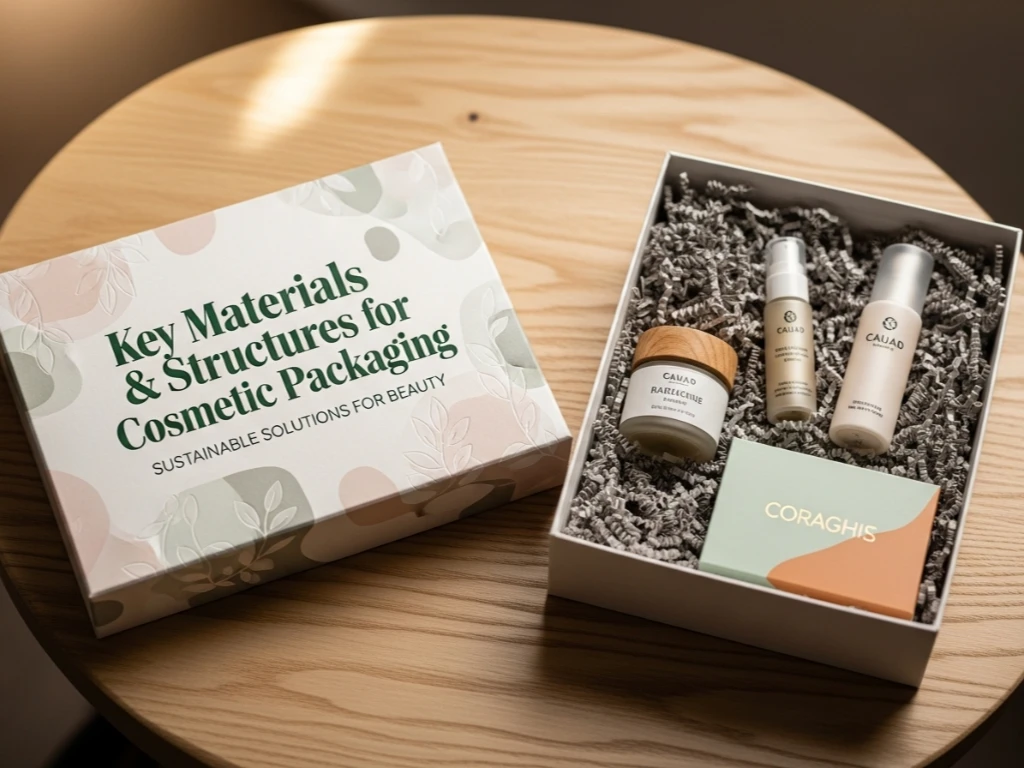
Materials that match those structures
- White kraft or C1S for a clean print face.
- Greyboard, 1,200–1,800 gsm for magnetic lids and lift-off lids. Heavier if the jar is dense. The wrap is a separate sheet.
- Uncoated black paper when the range is dark. It takes foil. It also shows scuffs unless you coat it.
- Water-based or soy ink. Flexo on kraft is water-based. Offset on C1S can be a vegetable-oil ink. “Soy” on a brief does not tell the press which one.
Plastic lamination, a PET window, and a full metallic film are the three additions that most often break a paper-recycling claim. Aqueous coating is the alternative when you need a little rub resistance.
How to choose without a mood board

- Position. Natural ranges point at kraft or uncoated board. Color-heavy ranges point at C1S. Dark ranges point at a black wrap. Pick one.
- Structure from the channel. Folding carton for retail shelves and flat freight. Rigid for gift and counter. Magnetic when the lid has to stay shut in a handbag. A two-piece lid and base when the jar is tall and the lid should lift off, not hinge.
- Freight. A rigid box ships set up, or you pay for assembly later. A folding carton ships flat. A fold-flat rigid is a specific construction. Do not assume every rigid box knocks down.
- Coatings. If the claim is recyclable paper, write “no plastic film” in the spec. Then choose aqueous, foil area, and emboss with that constraint visible.
Print and the inside panel
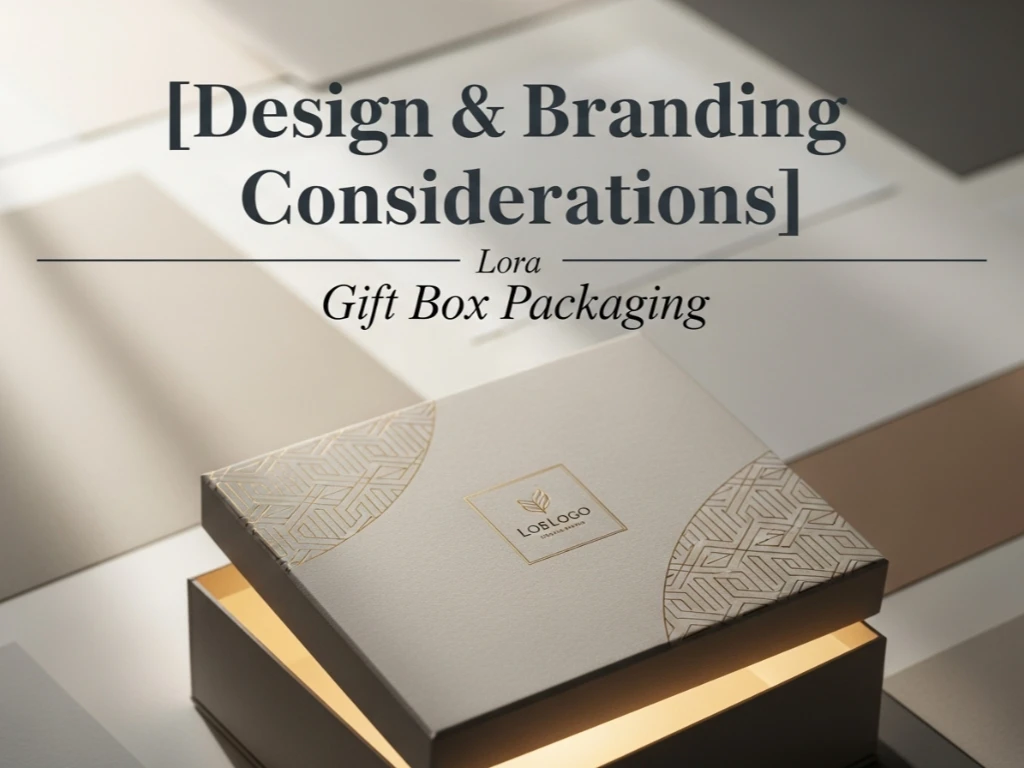
Logo placement is a dieline problem. A deboss on the lid center needs a die and a board that will take it. A logo across a hinge cracks.
Color is ink on a named sheet. Pastel on kraft goes muddy. Metallic foil is a stamp, not a PMS color. Earthy kraft does not need a brown ink that tries to match the fiber.
Interior print is where directions, shade names, and a QR belong. It is usually one or two colors. Full-bleed photography inside a rigid box is a wrap that has to register on four walls. Budget the make-ready if you ask for that.
Emboss, spot UV, and foil each add a die or a plate. One of them is a finish. Three of them is a different lead path through the plant. Spot UV on a matte field wants a coating it can grip. Foil wants a smooth face. Emboss on E flute can crush the wave. Say which substrate you are finishing.
Rules buyers are pasting into the PO
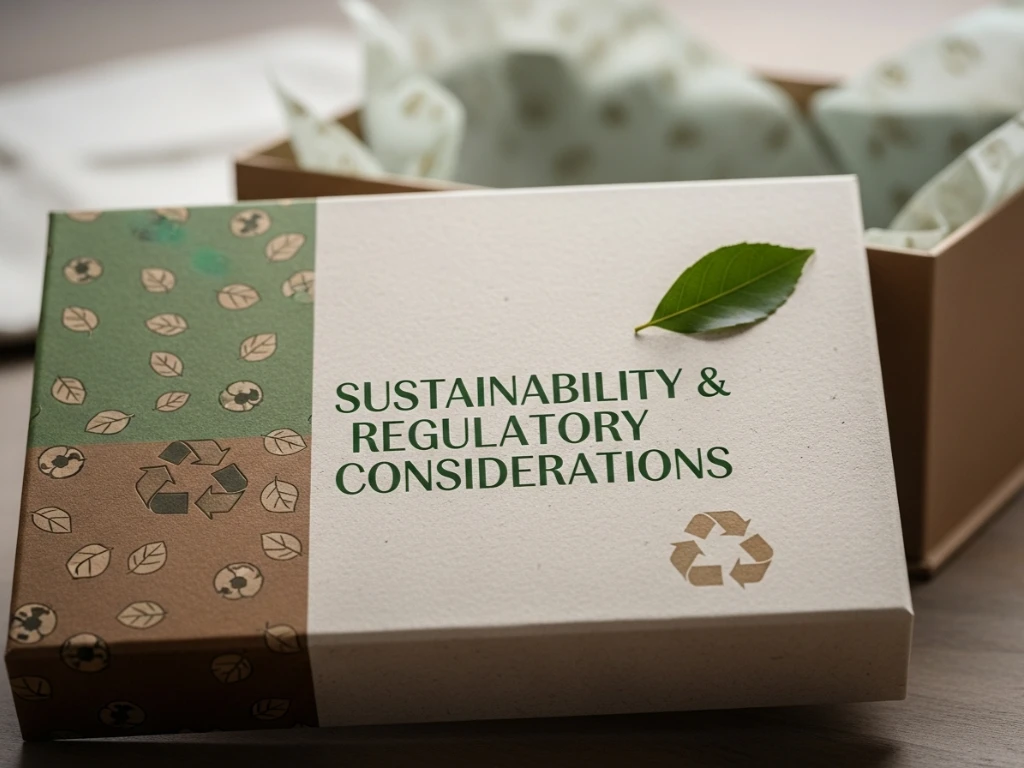
- European Union. The Packaging and Packaging Waste Regulation (PPWR) pushes packaging toward recyclable or reusable construction, with dates that run out to 2030. Your EU retailer will ask what the pack is made of. Answer with fiber, ink, adhesive, and films, not with a green icon.
- Australia. The National Packaging Targets have been the local pressure on recycled content and recyclability. Retailers still ask, even when a target year has passed.
- United States. Extended producer responsibility is active in several states. Paper packs are easier to report when they are actually paper.
FSC, if you need it, is requested per order. A declaration of conformity follows your spec: the market, the substance list, and whether anything touches the formula. ISO certificates, when a plant has them, describe a management system. They do not replace that declaration.
Moisture is the other cosmetics question. Aqueous coating resists light damp. It does not make a box waterproof, and it will not save a lid left on a wet sink. If the jar leaks, the fix is the primary pack, not a poly coat you forgot to mention.
What tends to look more expensive
A thicker greyboard, a square turn-in, interior type you can read, and a single foil or deboss. Soft-touch on a thin board still feels thin. A hologram on a busy pattern looks like a busy pattern.
Questions that come up
Which paper is the more recyclable one?
Uncoated kraft or a recycled greyboard, printed with water-based ink, glued with starch or a water-based adhesive, and no film. FSC is a forest claim, not a recycling claim. You can ask for both. They are different lines on the order.
Can the box be waterproof?
No. You can add moisture resistance with aqueous coating, or with poly and wax if you accept the recycling hit. Leaking product is a primary-pack problem.
Which documents should I request?
The ones in your spec. FSC if fiber sourcing is in the brief. A food-contact or cosmetic-contact declaration only if the board touches the product. A generic compliance stamp is not one of those documents.
What should the file contain?
Dieline with bleed, inside dimensions, board gsm, wrap sheet, inks, each finish, insert, and quantity. MOQ at Tendlyn is 100. The quote is written after structure, board, print, and quantity are known.
