A dieline is the flat drawing of every cut, crease, and glue area. The die is made from it. The art has to sit on it. If the drawing is wrong, the box is wrong in bulk, and the sample was the cheap place to find that out.
What the file has to contain
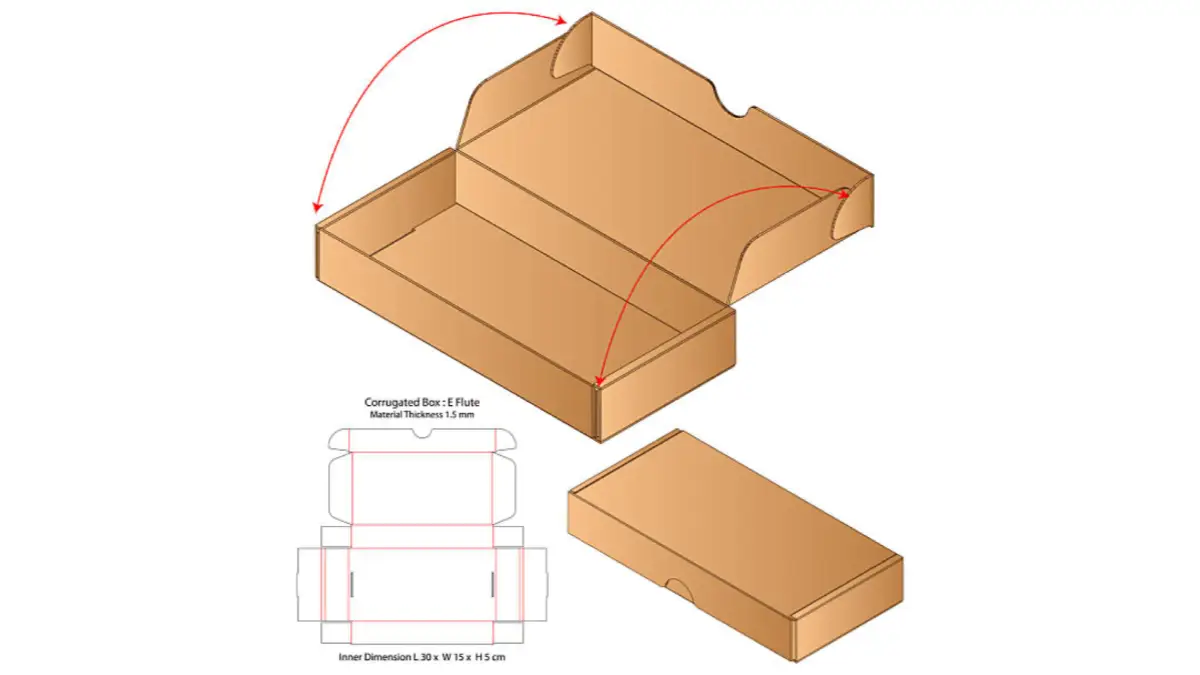
Before you draw, lock:
- Internal size, or the product size plus clearance. External size is what the die cuts. Say which one you measured.
- Panel names: front, back, top, bottom, glue flap, dust flaps, tuck.
- Where type and logos sit, and where they must not sit.
- Cut, crease, perforation, and any bleed.
- Grain or flute direction.
- Notes for glue, varnish-free zones, and foil.
Guangzhou Tendlyn Trading Co., Ltd. will draw this from a product size or check a file you already have. The factories are in Foshan and Zhanjiang. The company was founded in 2009 and makes folding cartons, mailer boxes, rigid boxes, paper bags, and paper tubes. MOQ is 100 once the structure is agreed.
The lines
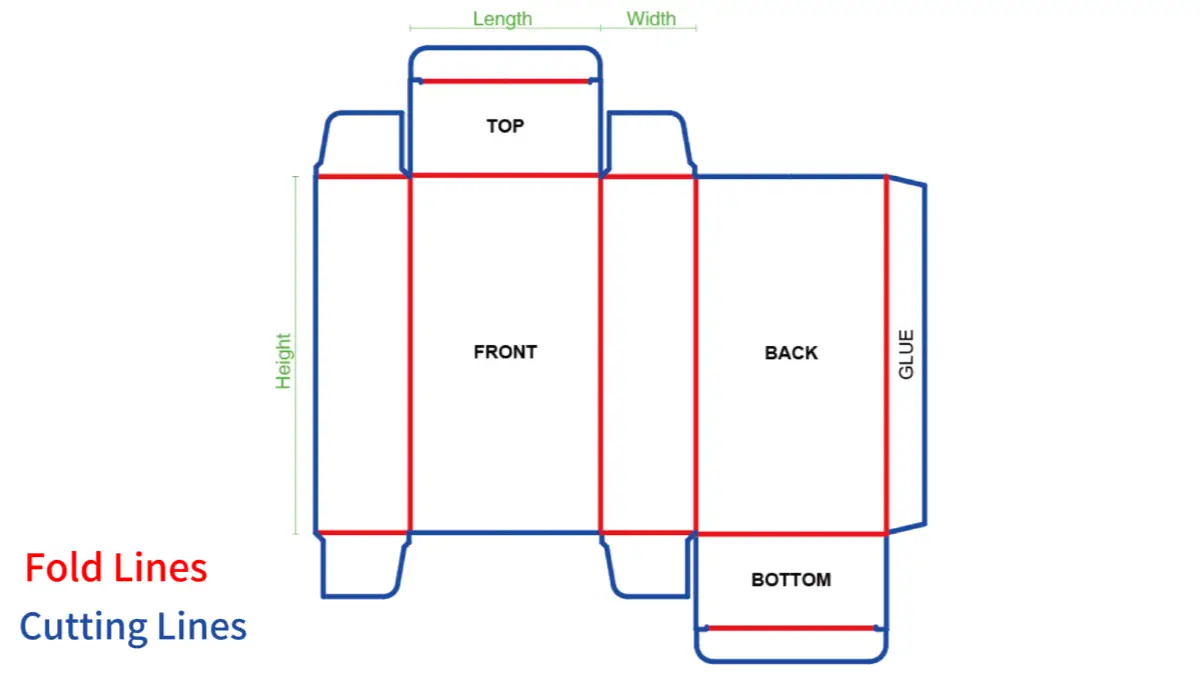
Cut. The path the knife takes. Draw it as a spot color and name it in a legend. A solid black cut that is also part of the art will be printed.
Crease. Where the board folds. Use a second spot color. Red is common. The legend matters more than the color, as long as the plant and the designer share it. A crease drawn as a cut becomes a slot, and the panel falls off.
Bleed. Art that runs off a cut edge needs extra image past the knife, usually 3 mm (1/8 inch). Without it, a small move on press leaves a white line on the edge.
Safety. Type, logos, and barcodes stay at least 3 mm inside the cut, and they stay off creases. A letter on a crease cracks and is hard to read.
Perforation and score. A perforation is a tear line, for a zipper or a coupon. A score is a controlled fold. They are different knives. Label them.
Glue and varnish-free areas. The glue flap and any turn-in that has to stick should be free of ink, aqueous, film, and foil. Glue on a coating is a weak bond. Mark these zones on the dieline, not in an email that gets separated from the file.
File setup
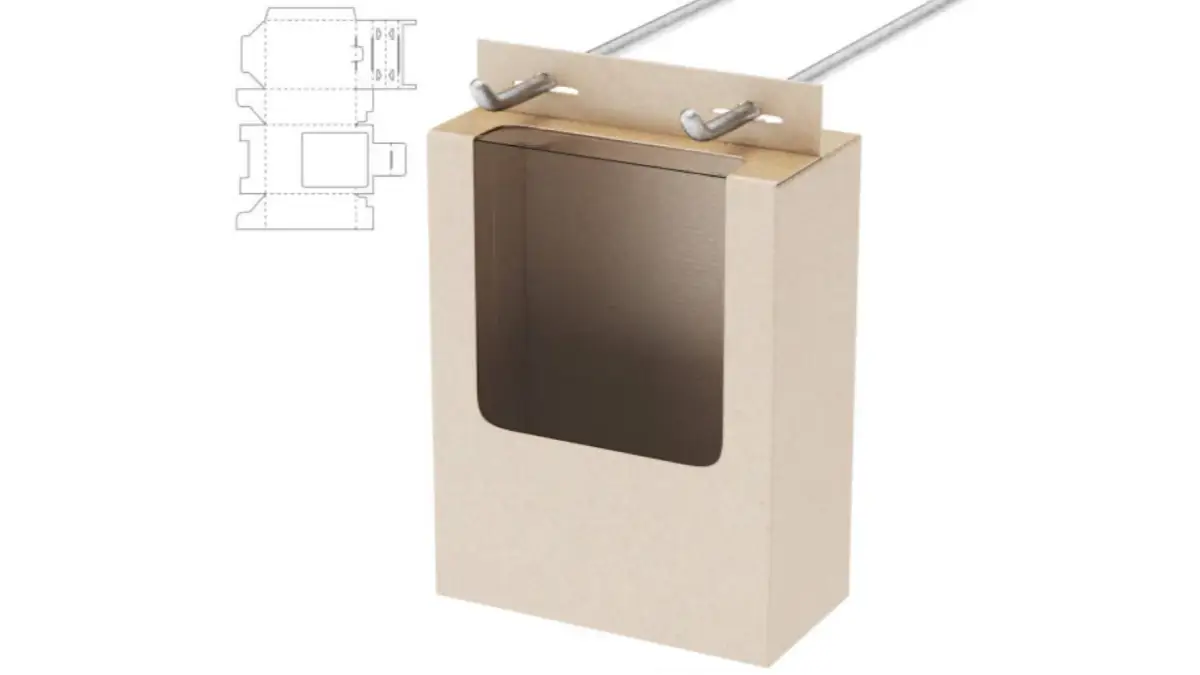
Size and tolerance. Draw at 1:1, in millimetres or with the unit obvious. Board caliper consumes internal space. A tuck flap sized on screen with zero caliper will bind. Tell the plant the caliper, or let them set the blank from the internal size you need.
Format. Vector outlines in AI or a PDF that still has vectors. Strokes for cut and crease, not a flattened photo of a template. Package or outline fonts. Images at 300 dpi, embedded.
Color. CMYK for process, plus Pantone callouts for brand colors. RGB files will be converted and will shift. Barcodes, QR codes, and small black type in 100% K. A rich black under a barcode blooms and will not scan. Pull a drawdown on the real board. A coated proof is not an uncoated kraft result.
Rules that keep type alive. Positive lines at least 0.25 pt. Text at or above 6 pt. Foil and reverses even more conservative on kraft and on flute. Thin reverses fill in on flexo.
Registration. Folds in the art should land on crease lines in the dieline. A logo that straddles a crease on purpose is a design. A logo that straddles a crease by accident is a reject.
Use the plant’s template when you have it. The glue flap, the turn-in, and the lock are there because the machine needs them. Paste your art into that file. Do not redraw the flap “cleaner” unless the plant agrees the blank still runs.
Board changes the drawing
Folding carton. Paperboard caliper, grain around the carton the way the plant prefers, usually so the main creases run with the grain that folds cleanly. Crash-lock, tuck, and dust flaps are part of the blank. Keep ink off the glue flap. Offset is the usual print. Foil and emboss are extra dies, placed clear of folds when the detail is fine.
Corrugated mailer. The flute direction is on the drawing. Slots, locks, and the manufacturer’s joint have to work with that flute. Flexo is the usual print. Fine photographs want E-flute or F-flute, or a sheet that is laminated and printed first. A dieline drawn as a folding carton and then “put on corrugated” will have the wrong caliper and the wrong locks.
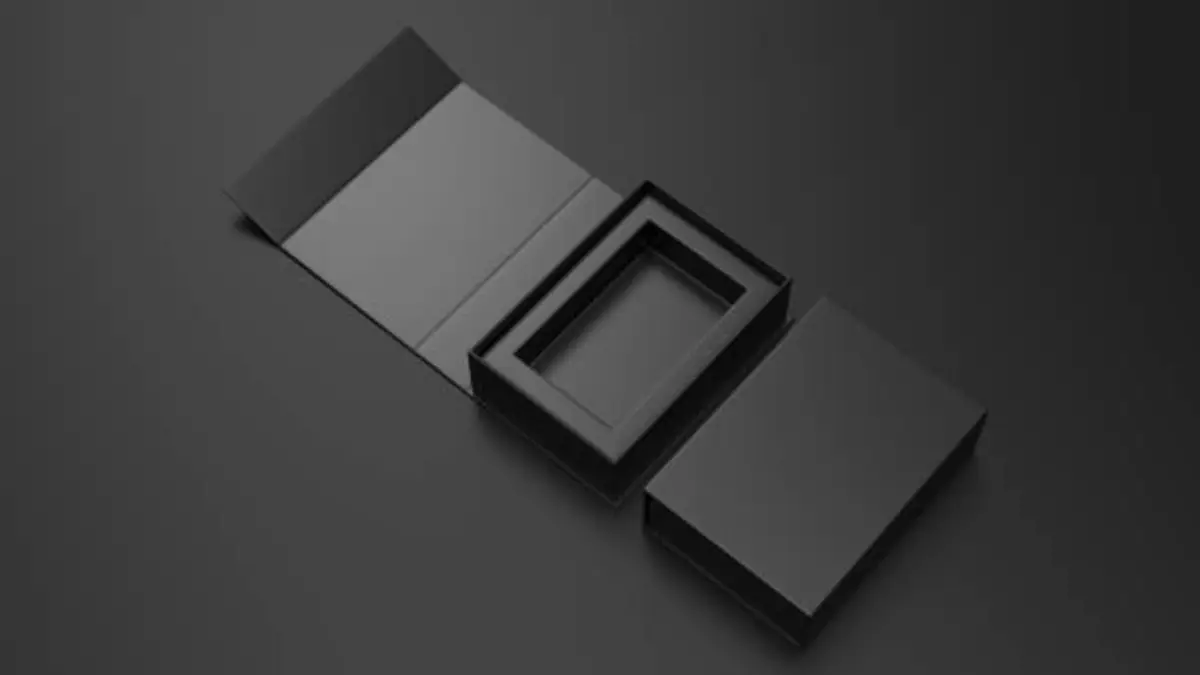
Rigid box. Two dielines. Greyboard with V-grooves. Wrap with turn-in and bleed. The wrap grain must follow the turn-in or the edge cracks and shows white. Foil is on the wrap, before mounting. The internal size is after wrap thickness, not the greyboard size alone.
Paper bag. Face, gusset, bottom, handle position, and seam. Art stops before the patch, the side seam, and the bottom paste. A euro tote and an SOS bag are different blanks. A handle height is a dimension on the drawing.
Paper tube. The wrap length, the overlap, and the cap or disc. A label dieline is not a tube dieline if the seam has to hide.
Print method follows the board. Offset for cartons and rigid wraps. Flexo for kraft bags and most corrugated. Digital for a short face change once the blank is fixed. Screen for a heavy spot. Each method has its own minimum type and its own make-ready. The dieline does not change the physics of the press.
What makes the blank expensive
Waste is empty board in the sheet layout and time on extra passes. A nested blank and a standard caliper keep the sheet honest. A custom outline, a foil, an emboss, and a film laminate each add a die or a pass.
Simplifying the blank means fewer knives and a glue flap the machine already knows. It also means the art is one or two colors if that is all the brand needs. The quote is written after structure, board, print, and quantity are known. Cutting panels out of a dieline to save a die is useful. Cutting the glue area out of the drawing is how the box opens in transit.
Working with the plant
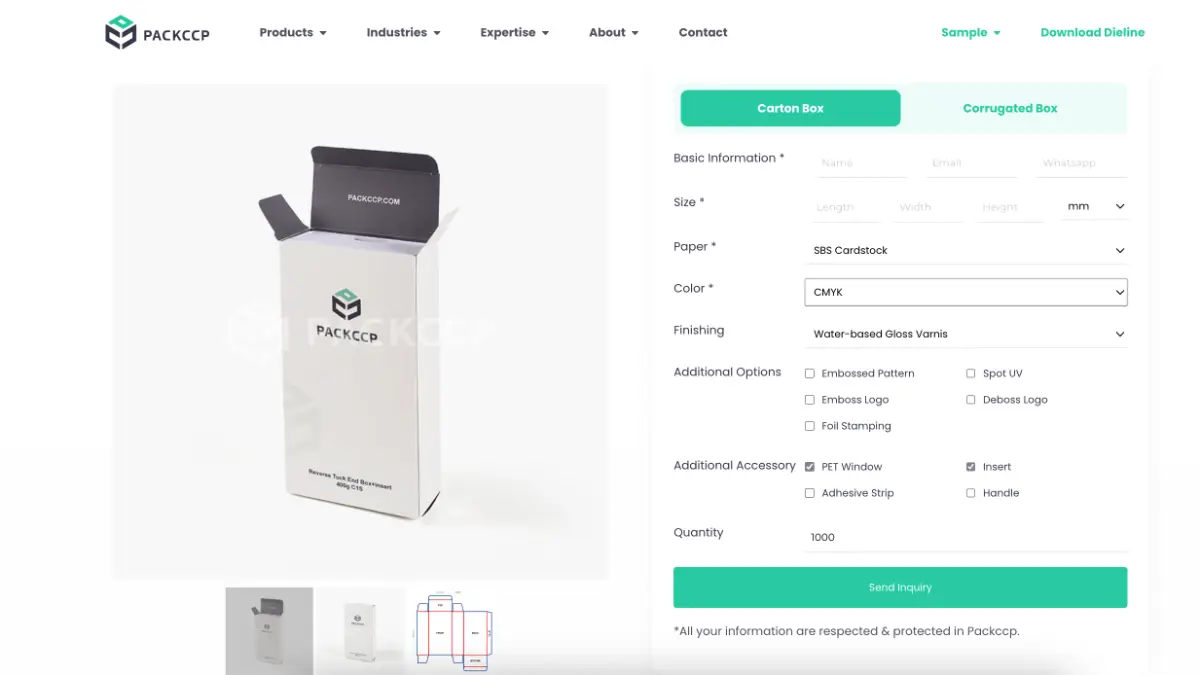
Send the native file and a PDF, with the legend. Tendlyn checks cut, crease, bleed, and glue clearance against the machine. If a lock or a turn-in will not run, you hear it before a die is cut.
Order a structural sample with the real product. Art can wait. Fit cannot. Then a printed sample on the production board, including foil if foil is in the spec. Sign that sample. Bulk follows it.
MOQ is 100 for the production run after the structure is agreed. Lead time is quoted then, because a foil die and a corrugated lock are different clocks. FSC, if you need the logo, is requested before board is ordered. Any declaration of conformity follows the spec on the signed sample.
Send the product size or the dieline to info@axwp.com, +86 158 1238 1273, or WeChat trimgem. Say the material: folding carton, mailer, rigid box, paper bag, or tube.
