A paper bag is a retail or service pack. It carries a purchase from a counter, holds a bakery item, or sits inside a mailer so the customer still has a shop bag. It is a weak parcel. Glass, apparel that must arrive uncreased, and anything on a long courier lane belong in a mailer or a rigid box, with the bag as the hand-over, not the shipper.
Guangzhou Tendlyn Trading Co., Ltd. has made paper bags and other paper packaging since 2009, in Foshan and Zhanjiang. Minimum order is 100. FSC paper is available on request. Food-contact rules apply when food touches the sheet. A quote follows structure, paper, print, and quantity.
Styles that stand up
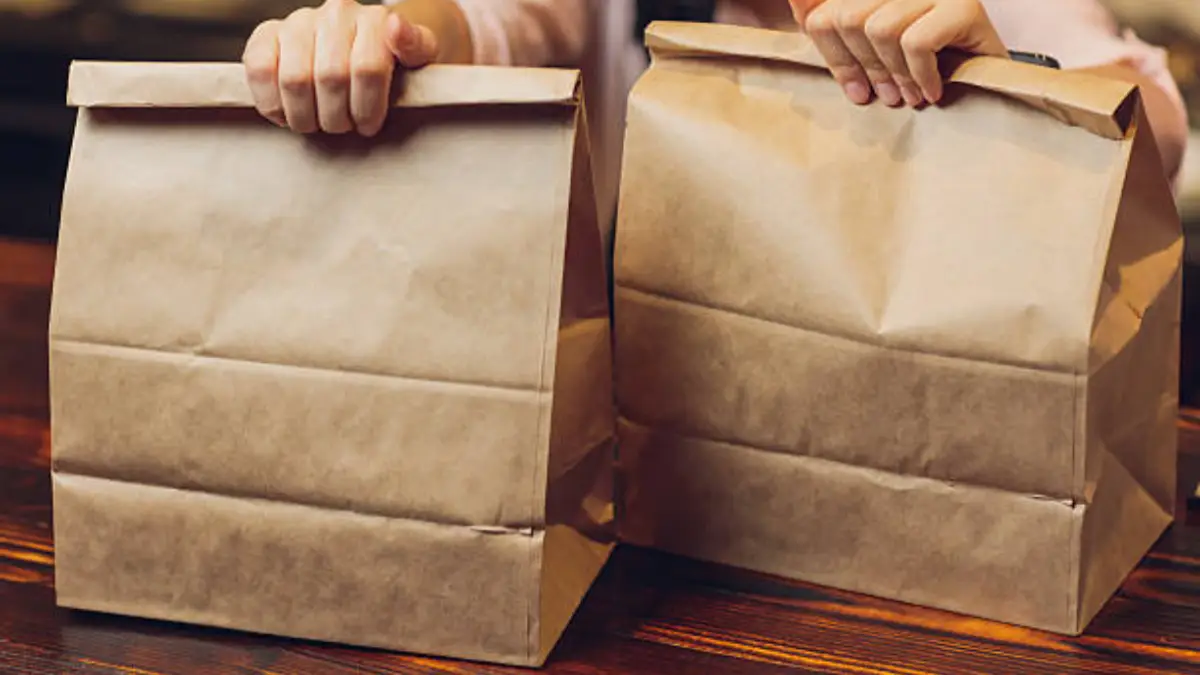
Self-opening satchel (SOS), block bottom. A gusset and a flat bottom that stands. This is the grocery, bakery, and specialty-food bag. The bottom paste and the gusset width are the spec. A narrow gusset tips over when the fill is a jar.
Flat bag, no gusset. A sleeve with a side seam. Light, cheap on board, and it does not stand. Inserts, flat apparel, documents, and a dust cover around a folded garment.
Shopping bag with handles. Twisted paper, flat paper, ribbon, or cotton cord, pasted or riveted through a reinforcement patch. The patch is what fails first. A small patch and a heavy book tear out at the mouth. Die-cut handles need the same patch, or the hand saws through the board.
Pinch-bottom. A folded, pasted end. Used for coffee, flour, and other dry goods that are filled from the opposite end. Valve bags are a variant for automated filling. If you need that, say so. A shopping-bag bottom will not run on that filler.
Handle notes worth writing down:
- Twisted paper handle: common, and it cuts the hand if the bag is heavy and the twist is thin.
- Flat paper handle: wider, needs a full glue patch.
- Ribbon or cord: apparel and cosmetics. Name the fiber. Polyester satin, cotton, and paper cord are different claims and different knots.
- Die-cut: fast at the counter, weak unless reinforced.
Retail and gifts

Apparel, cosmetics counters, department stores, and pop-ups use a handled shopping bag as the branded carrier. Art paper around 150–210 gsm, or kraft around 120–180 gsm, covers most of that work. A bottle or a shoebox goes heavier, often 180–230 gsm, sometimes with a board insert in the bottom. These are typical ranges. Confirm them on a filled sample. A 100 gsm bag that looks fine empty will split on a corner when the fill is a jar.
Print is usually offset on art paper and flexo on kraft. Foil and spot UV belong on the art-paper face, clear of the fold and the handle patch. A full-bleed metallic film turns the bag into a laminate. If the claim is curbside paper, stay with aqueous or uncoated kraft.
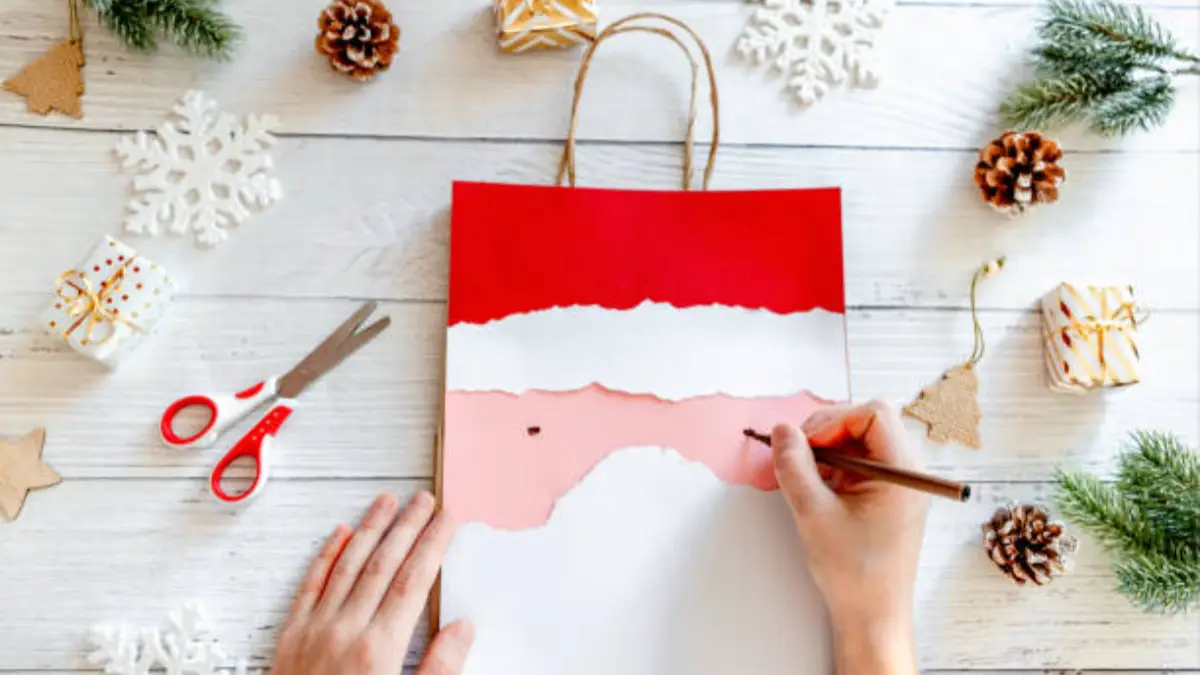
Gifting uses the same bag with a tissue sheet and a ribbon, or a flat bag as a wrap around a book or a carton. Party favors and handmade goods follow the same spec at a smaller size. The logo, the handle, and the bottom are still the engineering. A stamped brown bag is a one-color flexo job. It is not a different product category.
Event runs — a wedding, a launch, a holiday week — are short. Digital or a one-color flexo plate at the 100-piece floor is the practical route. Change the art. Keep the handle and the gusset, or you are tooling a new bag for one weekend.
Food
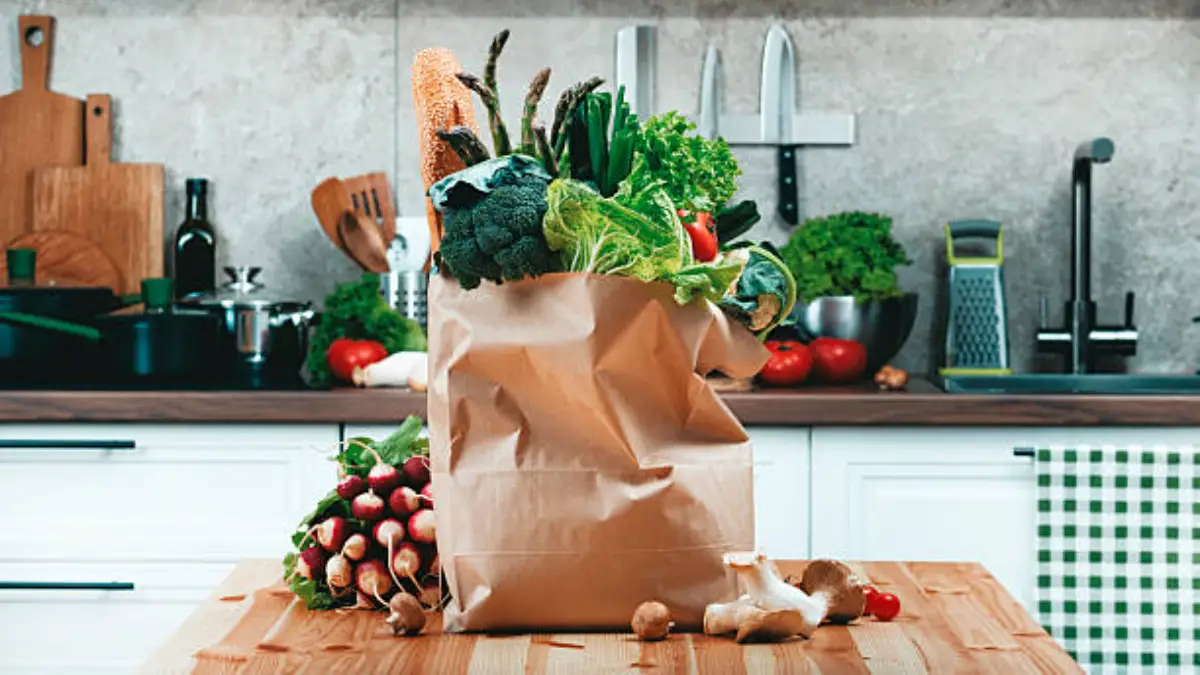
Bakeries and grocers use kraft because it breathes. Bread and some produce need that. A plastic liner traps moisture and changes the crust. Grease is the other problem. Unwrapped pastry needs a grease-resistant sheet or a glassine window, specified as food contact. A pretty art paper that wicks butter is the wrong bag even when the print is sharp.
Dry goods — coffee, grains, spices — use SOS or pinch-bottom in a food-contact kraft, often with a tin-tie or a label area kept clear of the seam. Separate SKUs with separate bags. The bag is the pack, so the ink and the paste have to be on the brand’s food-contact list.
A paper bag will absorb oil from fried food. That is a short-service use, and the bag is then contaminated for paper recycling. Say so to the store. Do not print a recyclable claim on a bag you expect to be soaked.
Inside the parcel, not as the parcel
Apparel brands put a shopping bag in the mailer so the customer can carry the piece afterward. The mailer is the shipper. The bag is folded flat beside the garment. Used as loose void fill, a paper bag compresses and lets the product walk. Spec a die-cut insert or crumpled paper that is actually meant as fill.
Small hardware can be counted into flat bags inside a master carton. Mark the count on the bag. The bag is organization, not cushion. Glass and ceramics want a mailer and a cell. A kraft sleeve around a bottle stops scuff between bottles. It does not replace the divider.
Electronics accessories — cables, a charger — can travel in a flat bag so they do not scratch a device in the same box. The bag needs no handle for that job. A handle is waste board and a snag.
When the bag is finished
Reuse is a retail fact when the handle patch holds and the bottom stays pasted. A torn mouth, a grease stain, or a soaked gusset is the end of that life. Those bags go to paper recovery if they are still plain paper. Film-laminated bags, foil-heavy faces, and grease-soaked bakery bags are the ones to keep out of a mill’s furnish. Print the claim only for the bag you specified.
Local recycling takes clean paper. It does not take a bag that has been a paint mask or an oil rag. Brands can help by using one material: kraft or art paper, paper handles, aqueous ink, a patch of the same fiber.
What to put on the order
- Style: SOS, flat, pinch-bottom, or shopping bag
- Gsm and color of the paper, FSC if this order needs the mark
- Gusset and bottom
- Handle type, patch size, fiber of the handle
- Print method, colors, keep-off areas at folds and patches
- Food-contact standard, if any surface touches food
- Quantity
Fill a sample with the heaviest SKU, lift it by the handle, and leave a bakery sample against the real product overnight. The handle and the grease either show up there, or they show up at the store.
