A paper bag spec is a sheet, a finish, and a print process. Sustainability language on the hanger does not change how the bag is sorted in a US or EU mill. The sheet and anything laminated to it do.
US states and cities restrict single-use plastic bags on different calendars. The EU has pushed lightweight plastic carrier bags down and, under the Packaging and Packaging Waste Regulation (PPWR), is moving packaging toward recyclability. A paper bag meets that direction when it is actually paper at the point of collection. A PE window or a full film laminate can take it out of the paper stream. If you need a formal declaration, it follows your spec.
Sheets
Kraft
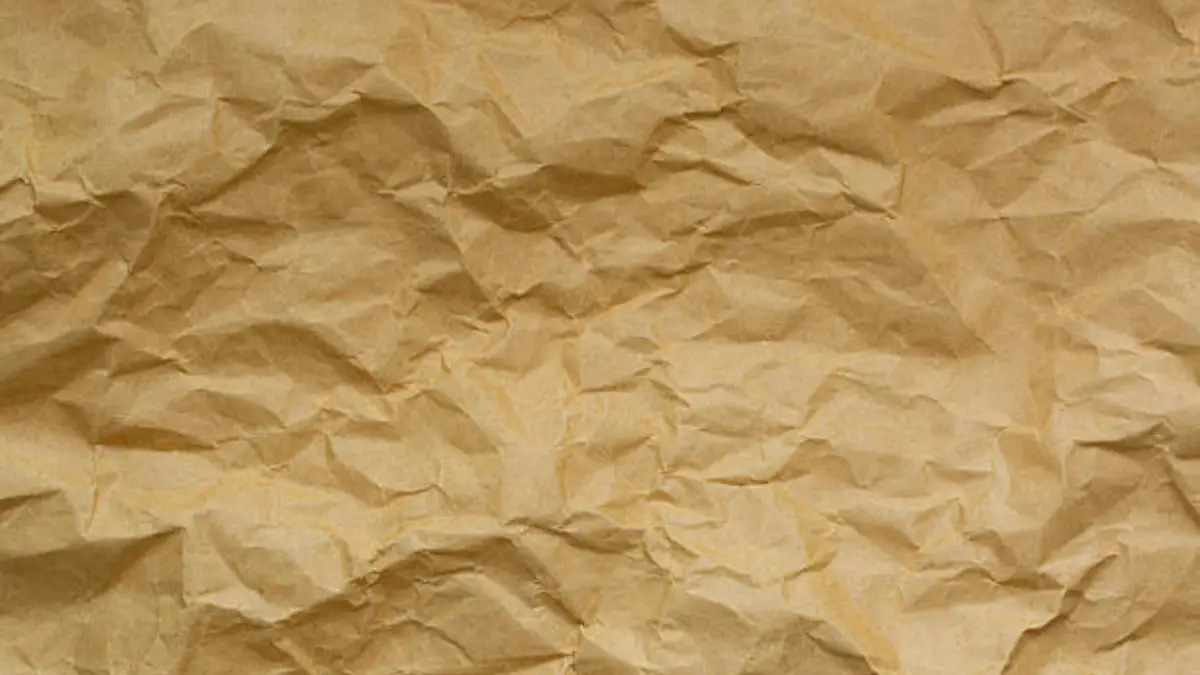
Kraft is wood pulp cooked so the fiber stays long. Unbleached kraft is brown, strong in tear, and the usual face for shopping totes and grocery bags. It scuffs and stains more visibly than a coated white sheet. For many brands that stain is the point.
It recycles as paper when it is uncoated or only lightly aqueous-coated. Handle cords and plastic rivets are separate components. List them.
Recycled
Recycled kraft and recycled white use post-consumer fiber. You save a virgin-fiber claim and you accept more shade variation. Strength at the same gsm is often lower than virgin kraft, so a heavy tote may need a higher gsm to hit the same load. Do not treat “recycled” as a single grade. Ask for the fiber source and the gsm.
Bleached and white
Bleached or white-top sheets take photography and bright solids. The mill uses more process to get the color. Print looks closer to a folding carton. If the brand story is “unbleached,” this is the wrong sheet, even when the bag is still recyclable.
Unbleached
Unbleached is the brown kraft above, sometimes with a white reverse, sometimes not. It skips the bleaching step. The face is rougher, so fine reverses and small type need a plate and an ink film that can live with that texture. Large type and a single color usually look right.
Clay-coated
A clay coating fills the surface so offset or a finer flexo screen holds a sharper dot. It is a mineral coating, not a plastic film. It prints cleaner and resists light stain better than raw kraft. Confirm with the mill how that grade is meant to be recovered. Clay coat and plastic laminate are not the same line item.
Textured and cotton-content sheets
These are for a lid-like face on a gift tote: felt-marked, linen, or a high cotton content. They take blind emboss well. Large foil areas get patchy because the surface is not flat. They cost more because the sheet costs more and the press has to be watched. Use them when the bag is the gift, not when it is a carry-out for a heavy bottle.
FSC on any of these is available on request. Put it on the PO if the logo has to appear.
Finishes

Aqueous gloss and matte
A water-based coating adds rub resistance and a sheen choice. Gloss lifts color on a coated sheet. Matte hides fingerprints and keeps the bag quieter. Both are the usual finishes when you want protection without a plastic film.
Film lamination
Gloss or matte film adds tear and moisture resistance. It is a plastic layer. Say so in the material statement. Brands that need the bag in a paper recycling claim should look at aqueous first and use film only where the product demands a barrier the aqueous coat cannot give.
Water-resistant and grease-resistant treatments
Dispersion barriers and grease-resistant treatments keep rain and oil from wicking through. They are common on bakery and hot-food bags. They are a chemical treatment of the sheet, specified by the performance you need, not by a marketing word. If the bag touches food, ask for the paper and ink declaration that matches that food and that market. A shopping-bag line is not automatically a food-contact line.
Emboss and texture
Blind emboss and deboss are done with a die on the sheet, before forming. They need a stable sheet and a design that still reads after the bag is glued and the gusset is folded. Fine detail disappears on heavy texture.
Print process
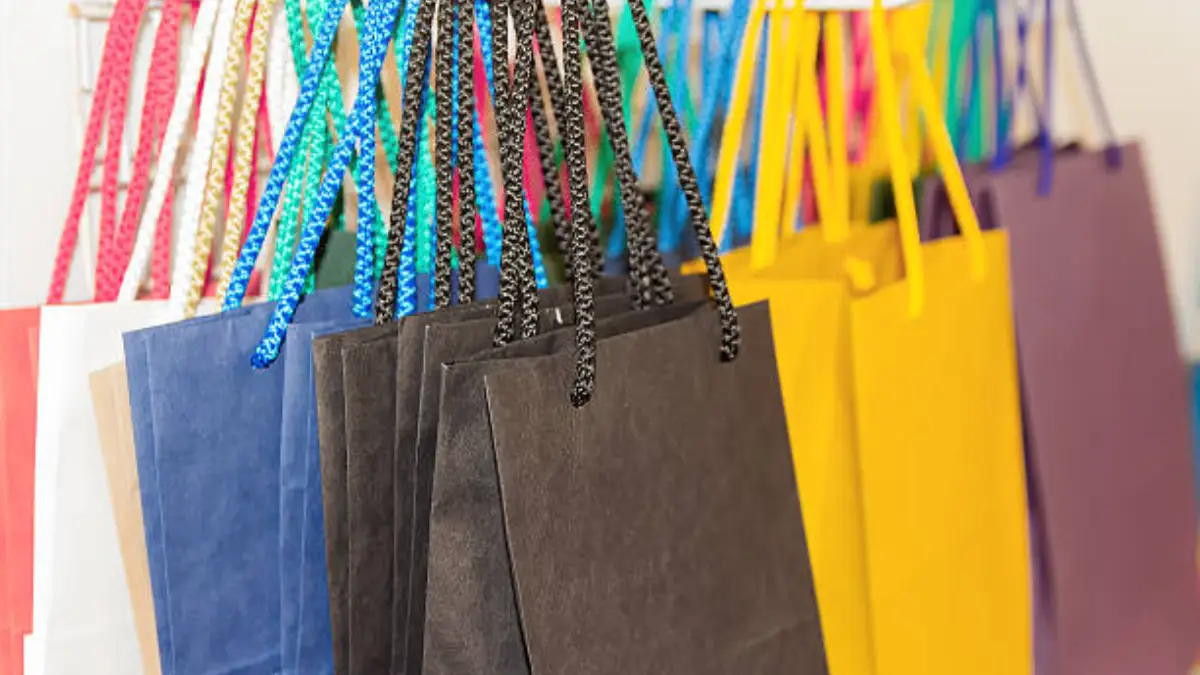
- Flexo. The usual press for formed-style kraft totes in volume. Cylinders or plates, water-based ink, good for line art and solids. Fine photographs on brown kraft are the wrong job for a coarse anilox.
- Offset. Sheet-fed, before the bag is formed. Sharper type and image. Setup wants a quantity that pays for plates, which is why a one-color flexo tote and a four-color offset tote are priced differently. Tendlyn’s MOQ is 100, and the quote still depends on which process the art needs.
- Digital. Short art, variable marks, no plate. Useful when the structure is fixed and only the face changes.
- Screen. Heavy solids and special inks, usually a spot logo rather than a full-color photograph.
Foil and blind emboss sit on top of these as extra passes. Keep them off seams and patches.
What to write on the request
Match the sheet to the load and the art.
- Heavy carry, quiet brand: unbleached kraft, higher gsm, twisted paper handles, one or two flexo colors.
- Photography or beauty: white or clay-coated, offset or digital, aqueous coat.
- Bakery or oily food: grease-resistant sheet, food-contact paperwork, art that survives oil at the bottom corner.
- Gift: textured sheet or a heavier kraft, one foil or an emboss, even turn-in.
Cost follows sheet, finish, print process, handle, and quantity. Recycled fiber is not a promise of a lower price. A textured sheet is not a promise of a better bag if the handle tears out. Ask for the quote after those lines are filled in. There is no standing price table.
The declaration of conformity, when you need one, follows the spec you wrote: fiber, coating, ink, and components such as cord and eyelets.
