Corrugated board shows up wherever a paper shipper has to stack, cushion, or carry a printed face. The flute, the liner, and the coating change by industry. The word "corrugated" on its own is not a specification.
| Sector | What the pack has to do | Board you actually spec |
|---|---|---|
| Food and drink | Stack, sometimes resist moisture, sometimes touch food | Single wall, with a moisture or food-contact note if the route needs it |
| Parcel and retail | Survive a sorter, carry a brand panel, come back as a return | E or B flute mailer, or a plain shipper around a retail carton |
| Pharma and devices | Protect a primary pack, carry labels and a lot code | A shipper around the real barrier. Temperature control is a qualified system, not a flute |
| Electronics | Cushion, and control static if the part needs it | Double wall or a die-cut with an insert. Anti-static is a liner spec |
| Industrial goods | Stack a dense part | Double or triple wall, with a compression number |
| Dangerous goods | Contain a regulated hazard | A tested UN specification pack, which is a separate approval |
Food and drink
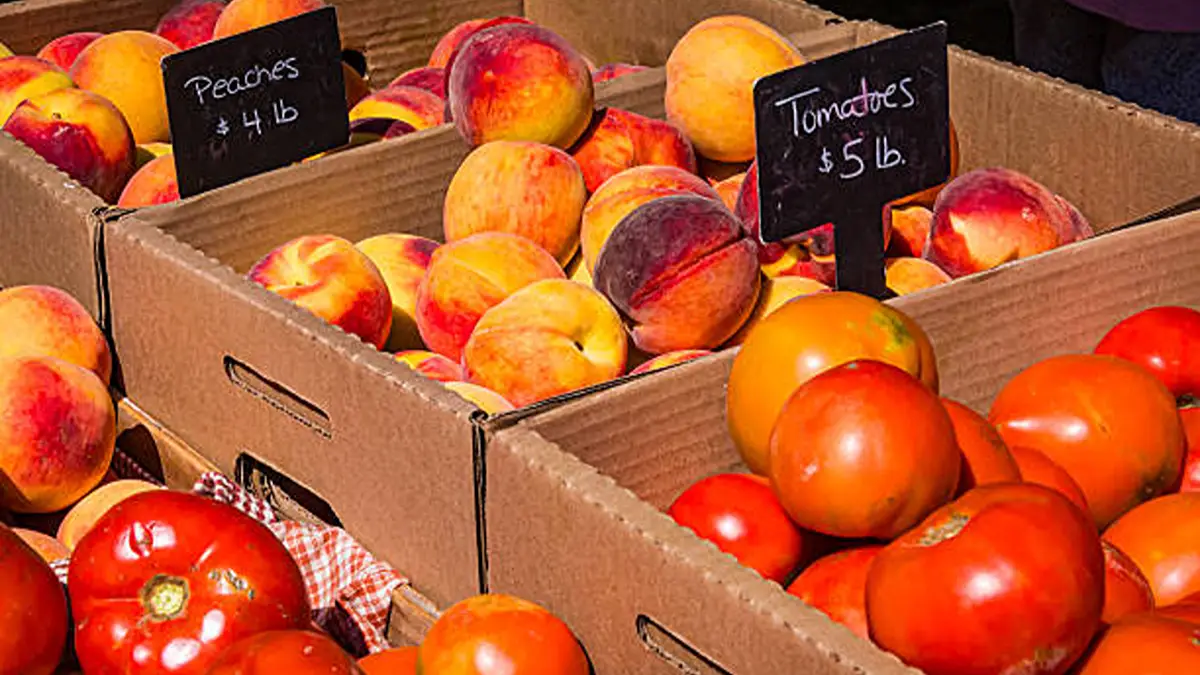
Food uses corrugated in three different ways, and they should not be written as one spec.
Produce trays and ventilated cases move fruit. The holes are part of the die. Wet environments push people toward wax or a moisture-resistant coating. Wax is the version many recycling mills will not take. If the box carries a recycling mark, name a coating the mill on that contract will accept.
Cases for bottles and cans are ordinary single wall or double wall. Condensation is a liner and coating question. The flute does not stay stiff once it is soaked.
A snack or confectionery shipper is often a printed case around a primary pouch or a folding carton. The case can be retail-ready, with a tear-out panel. The food-contact rules apply to whatever actually touches the food. A box around a sealed pouch is not the same file as a pizza box or a bakery carton whose liner is the food surface. Ink, starch, and liner for that contact have to be the ones named in the brand's spec. The declaration of conformity follows that spec.
Parcel and retail

A mailer is the shipper and, often, the only branded surface the customer sees. E flute prints cleaner and keeps the cube down. B flute is the step up for a heavier fill. The box ships flat, the filler erects it, and the return journey is the same board if the customer reuses it.
Subscription and e-commerce packs fail in predictable places: a void so large the product punches the wall, a tuck or a roll-over flap that opens in a sorter, and print cracked across a crease. An insert or a smaller blank fixes the first. A closure test on a filled sample fixes the second.
Retail-ready cases are die-cut so a store can open them and put them on a shelf. The perforation has to tear where you drew it, and stop where the stack still has to hold. Test that on the board you will run, not on a thinner sample.
Transit tests such as ISTA protocols are something a brand can require on a packed product. They are a test of the filled pack, not a logo a plant prints on the box.
Pharma and healthcare

Most corrugated in this sector is secondary or tertiary. The blister, the bottle, or the sterile barrier is the primary pack. The case has to keep that primary pack from being crushed, keep labels readable, and carry the lot and the address.
Temperature-sensitive goods need a qualified shipper: insulation, coolant, and a pack-out that was tested for a time and a route. A triple-wall case does not hold a vaccine at temperature. Writing it that way on a drawing creates the wrong purchase.
Tamper-evident tape, partitions, and a moisture spec are normal requests. They belong on the drawing. A plant's general paper box is not a medicinal primary-pack certificate. If the brand's quality file asks for a named standard, ask for that document against the item you are buying, and keep the claim inside what the document covers.
Electronics and appliances

Boards and devices need the product held, not merely surrounded. A die-cut insert, pulp, or a designed void beats a loose fill that lets the unit hit the wall. Double wall shows up on heavier appliances and on long export legs. A small device in a printed retail carton often wants E flute or a folding carton, then a master case.
Static-sensitive parts need an anti-static liner, bag, or insert specified as such. Ordinary kraft is not that material. Say which part is at risk, and put the anti-static item on the bill of materials.
The retail face, when there is one, is usually a folding carton or a litho-laminated microflute. Shipping marks live on the outer case in flexo. Splitting those two jobs keeps fine type off a C flute.
Industrial loads and regulated goods
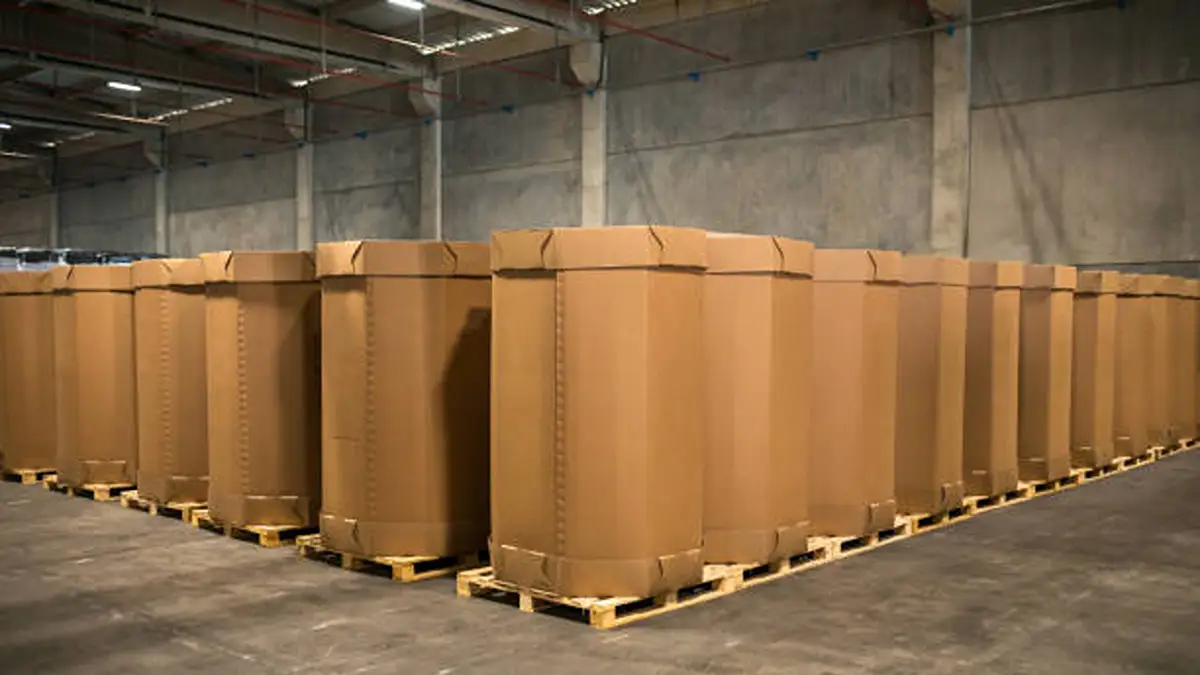
Dense parts, machined components, and some automotive shipments use double wall or triple wall because the stack is heavy. The number that matters is compression on the filled case, plus whatever the part needs so it cannot wander: a block, a die-cut, a strap. A thick board with an empty cavity still lets the part punch through.
Coatings and labels for chemicals follow the product's hazard. GHS marks are printed as the regulation requires. They do not turn the case into a dangerous-goods pack.
A UN specification package for dangerous goods is a tested design: board, closure, and the mark that goes with that test. A heavy corrugated case from a normal converting run is not that package. If the shipment is regulated, buy the tested spec and keep the test report with the part number.
Fiber, coatings, and what changes next

Recovered fiber is already a large part of many liners and mediums. The recycling stream is old corrugated containers. Mills take clean, dry board. They downgrade or refuse wax, extruded film, and packs full of plastic windows or food waste.
FSC fiber is available on request when the mill and the plant can pass the claim. It is not on every reel. Print the claim only when the invoice carries it.
What buyers are changing in the spec, without a slogan:
- Less board where a compression test still passes, which means a real test, not a lighter sheet chosen from a swatch.
- Digital or short-run flexo when the SKU count is high and the art changes.
- A code on the case for the brand's own traceability. The code is only as good as the data the brand writes behind it.
- Mailers sized to the product so the void filler shrinks.
Guangzhou Tendlyn Trading Co., Ltd. has converted paper packaging since 2009 in its own plants in Foshan and Zhanjiang. For the sectors above, the relevant pieces are mailer boxes and folding cartons, along with rigid boxes, paper bags, and paper tubes. MOQ is 100. A heavy UN case or a qualified cold-chain shipper is a different purchase from that range. A quote for a mailer or a carton is written after flute or board, print, structure, and quantity are known.
