Customers do not describe board weight in gsm. They say the box feels cheap, or they pause with the lid. That pause is paper, thickness, and one finish. It is not a slogan on the inside panel.
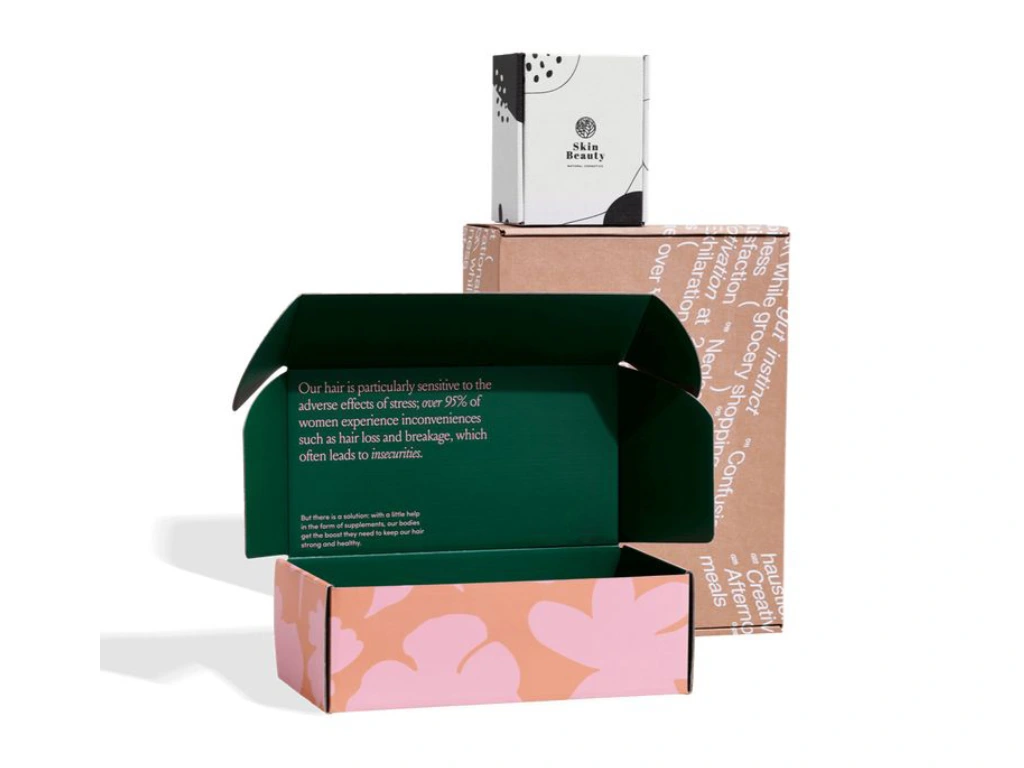
Specify the sheet the way you specify a flute. Name the job it does: stiffness, print face, hand, or a recycling constraint. A “luxury paper” line on a brief is not a spec.
What the hand is reacting to
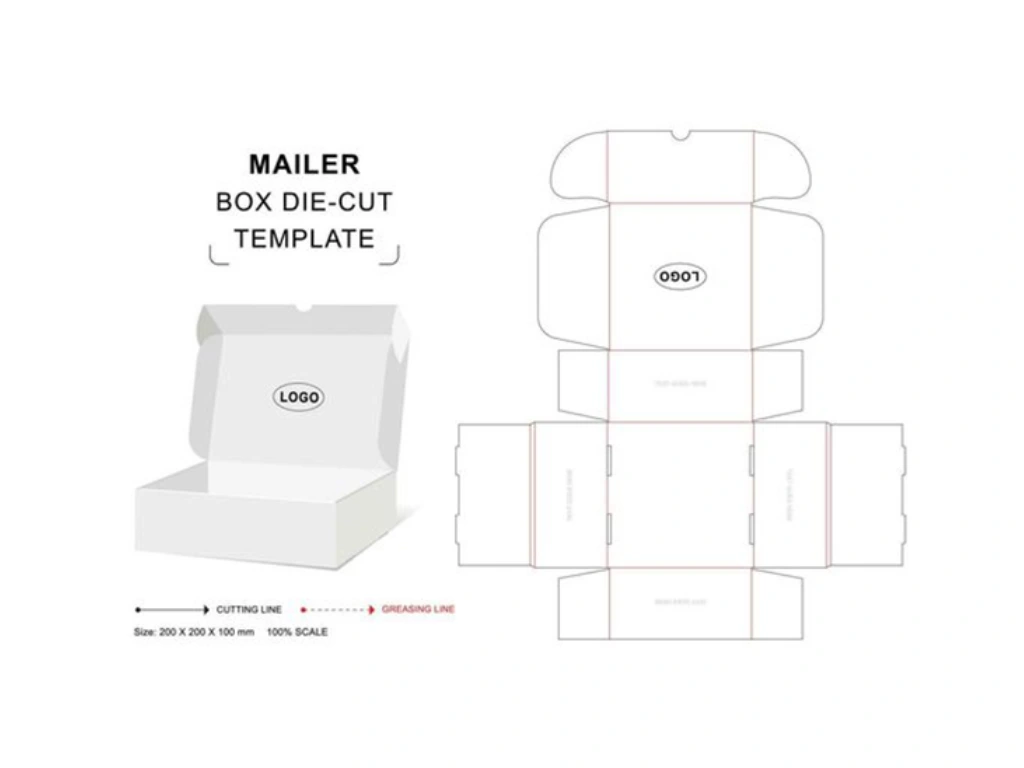
Paper feels warmer than a plastic shell because it has tooth and it gives slightly under a thumb. Rigid board adds the other half. A light carton with a soft-touch film still feels like a carton. The weight has to be in the core.
Three checks on the sample tell you more than a mood board. Lift the empty box. Open the hinge twice. Drag a fingernail across the face. Scuff, crack at the turn-in, and a hollow feel all show up there.
Sheets and what they change
Greyboard
Greyboard (chipboard) is the core of magnetic lids, drawers, and lid-and-base boxes. The range buyers write most often is 1,200–1,800 gsm. Denser products go thicker. The number is stiffness and wall thickness, not a crush claim you can invent in a meeting.
The outside paper is a wrap. The greyboard is what they feel when they pick the box up. If the wrap is beautiful and the board is thin, the lid twists.
Coated art paper
C1S and C2S art paper are the smooth faces. C1S is the usual rigid wrap: print on the coated side, glue on the open side. C2S prints both sides, which fits a folding carton whose inside carries a story or a lot code.
Matte or gloss is a coating choice on top of that sheet. The sheet itself takes offset, foil, and spot UV. It is the right face for cosmetics, a sleeve around a jar, and any panel where small type has to stay sharp.
Textured paper
Linen, laid, and leather-like embossed sheets are specified when the brand wants touch before graphics. Jewelry, fragrance, and short cosmetic runs use them.
Texture fights foil. It also cracks if the turn-in is tight and the sheet is stiff. Get a wrapped corner before you order a foil die that covers the texture.
Kraft
Unbleached kraft reads as fiber. Organic cosmetics, food gifts, and apparel mailers use it for that reason. It is strong in tear. It is a poor place for a pale photograph.
If you need both the brown face and a sharp logo, print a small area, foil a simple mark, or laminate a printed sheet onto a kraft board and accept that you have changed the recycling story.
A lot of buyers say they want “natural” material. Natural still has to be a named sheet: unbleached kraft, recycled kraft, or a white board with no film. Otherwise the plant will pick one for you.
Black paper
A black wrap is a black sheet. It is not a heavy black ink laid on white art paper. Ink black marks and shows gray at the score.
Foil and spot UV sit cleanly on black because you already have the contrast. Fragrance, dark tech accessories, and gift sets use it. Raw matte black shows every scuff in fulfillment. Specify aqueous or a film if the box is handled.
Metallic and pearl
Pearl and metallic faces are ink or film on paper. Film is plastic. Use a small area if the pack is supposed to stay in the paper stream. Holiday sets and confectionery sleeves are the usual place. Emboss under a full metallic film tends to look bruised rather than sharp.
Soft-touch
Soft-touch is a coating or a film that feels like a light suede. It hides fingerprints better than high gloss. Many soft-touch films are plastic laminates. Aqueous soft-touch exists and scuffs sooner. Say which one, especially if a recycler or a PPWR question is already in the brief.
Perfume, small electronics, and rigid cosmetic lids are where brands ask for it. It does not add stiffness. The greyboard still has to.
How to choose
Write five lines.
- Weight and fragility. A glass jar needs the core, not a thicker coating. Corrugated around a rigid box is a shipping choice, not a hand-feel choice.
- Print. Photographs and small type want C1S or a litho sheet. Kraft wants less ink and larger marks.
- One tactile move. Texture, or soft-touch, or foil. All three on one lid is make-ready stacked on make-ready, and the hand cannot read them.
- Brand face. Uncoated fiber, coated color, or black. Pick one before you open a swatch book.
- Recycling and fiber claims. FSC is available on request. Film lamination, heavy foil coverage, and PET windows are the items that take a pack out of a simple paper claim.
Aesop and Lush are often cited because their outer packs stay quiet and mostly paper. You can copy the discipline without copying the layout. Uncoated or lightly coated board, one finish, type that is actually large enough.
What to approve on the sample
Check grain. Paper wraps with the grain around the edge that has to bend. Against the grain, the turn-in cracks.
Check the hinge. Soft-touch and thick texture both add caliper. A hinge designed on uncoated 157 gsm art paper can bind when you switch the sheet.
Check the inside. A coated inside prints a welcome line cleanly. An uncoated inside feels more like paper and shows scuffs from the product.
The quote waits on structure, board, print, and quantity. A swatch is not a price.
