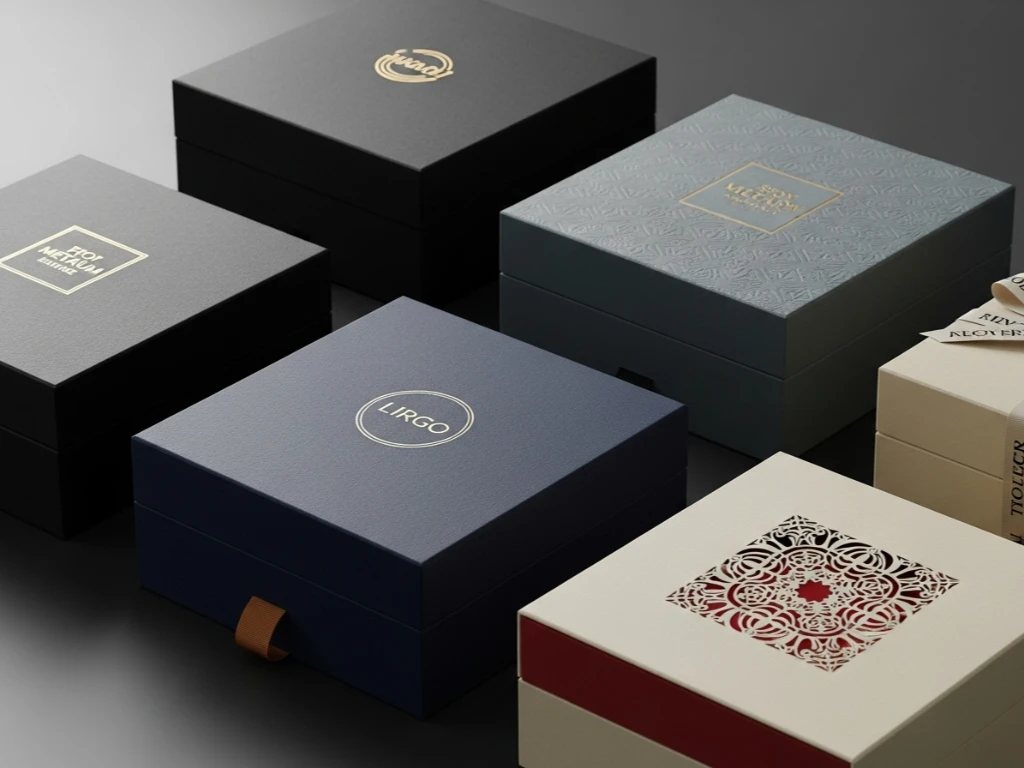
A two-piece box is a lid and a base, each wrapped, each rigid. The lid slides over the base. There is no crease through the front panel, which is why a foil logo can sit in the middle of a face and stay in one piece.
Brands specify it when that panel, the weight, and the way the lid comes off are part of the product. A folding carton still does the job when the pack has to ship flat and print cheaply across a lot of SKUs.

What the opening is
The base holds the product. The lid is a cover with four walls. The customer lifts it clear. That motion is the whole presentation. It depends on fit, not on a paragraph of brand language.
If the lid is tight, the wrap scuffs on the lip after a few openings and the customer has to rock it off. If the lid is loose, it rattles in the mailer and can come off in the master carton. The plant should state the fit they are holding. Open and close the sample twenty times before you sign it. The twentieth time is the one that shows a scrape.
Greyboard for this build is usually 1.5 mm to 3 mm. Lid and base are often different calipers. The lid's inner size is the base's outer size plus a clearance for the wrap on both pieces. That clearance is a number on the spec, agreed on the white sample, not a feeling in a meeting.
How it is made
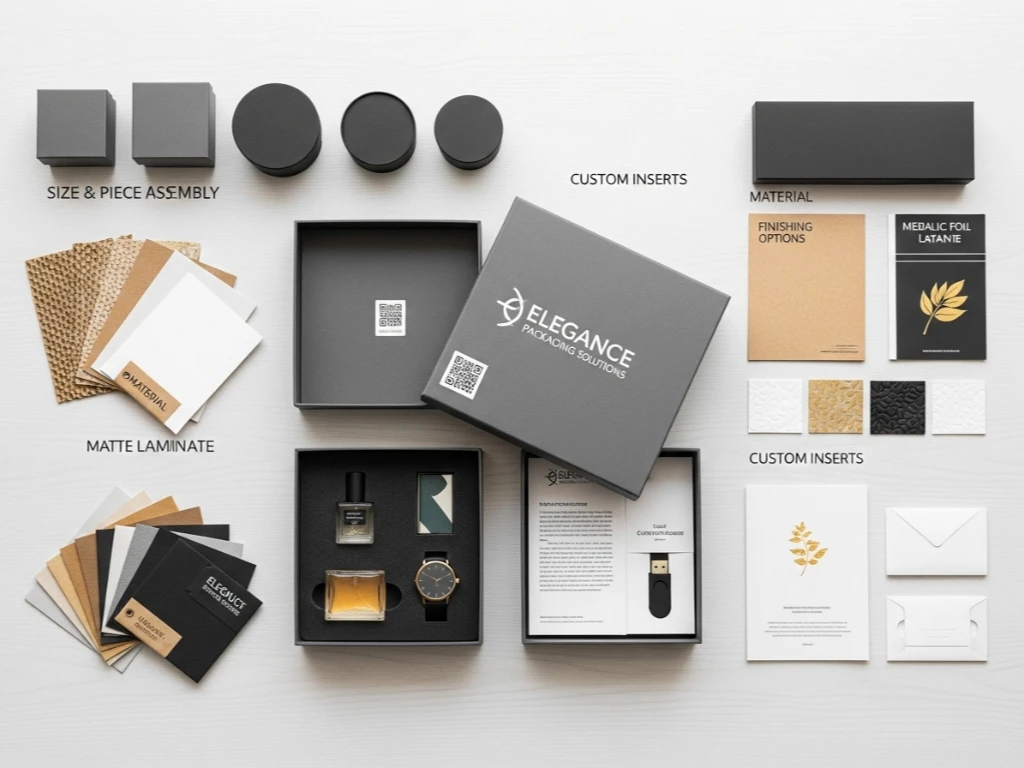
The board is cut and grooved. Corners are stayed or joined, so each piece is a rigid tray before any paper goes on. The wrap is printed flat, then mounted. The turn-in is pulled over the top edge and down the inside. On the base, the turn-in is what the product and the insert see. On the lid, it is what you see when the lid comes off.
Because the face is not scored, foil, blind emboss, and spot UV sit on an unbroken panel. They are applied to the wrap before mounting. A sheet that walks on the wrapper moves the logo even when the PDF was centered. Ask to see the wrap layout with the turn-in drawn, and keep the mark inside the visible face.
Inserts are a second drawing: a paper tray, molded pulp, or EVA. The insert height has to leave room for the lid to seat. A tray that is proud of the base holds the lid up and looks like a bad fit.
A ribbon lift belongs in a slot. Under the lid, a thick ribbon becomes a wedge.
Finish and color
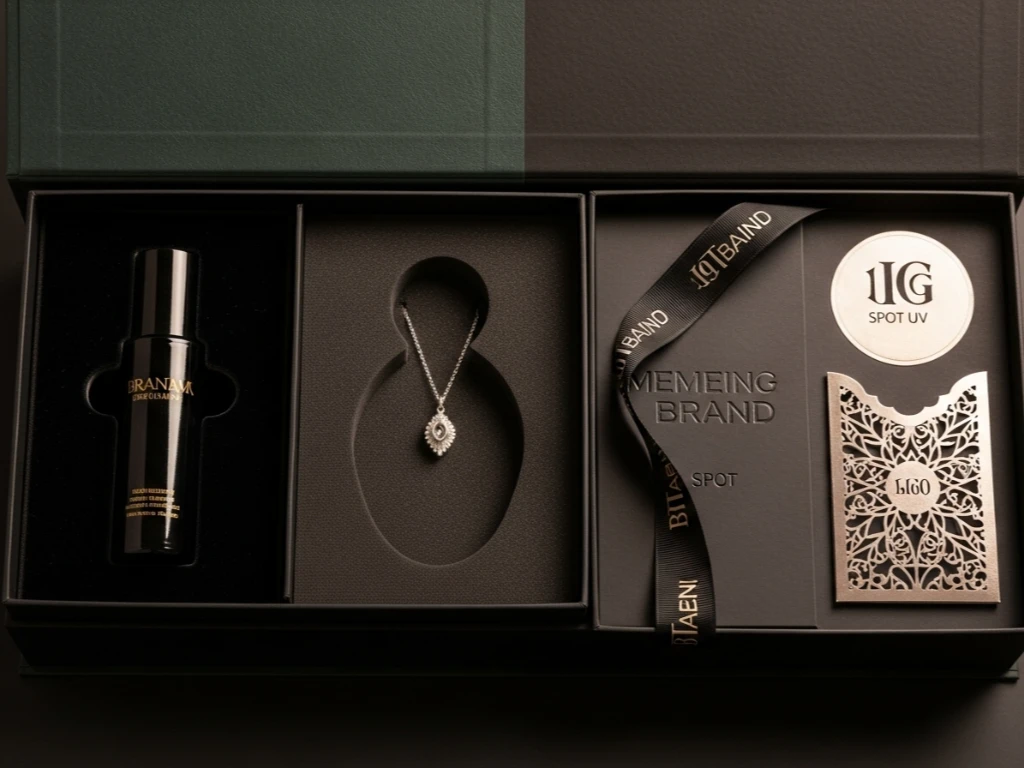
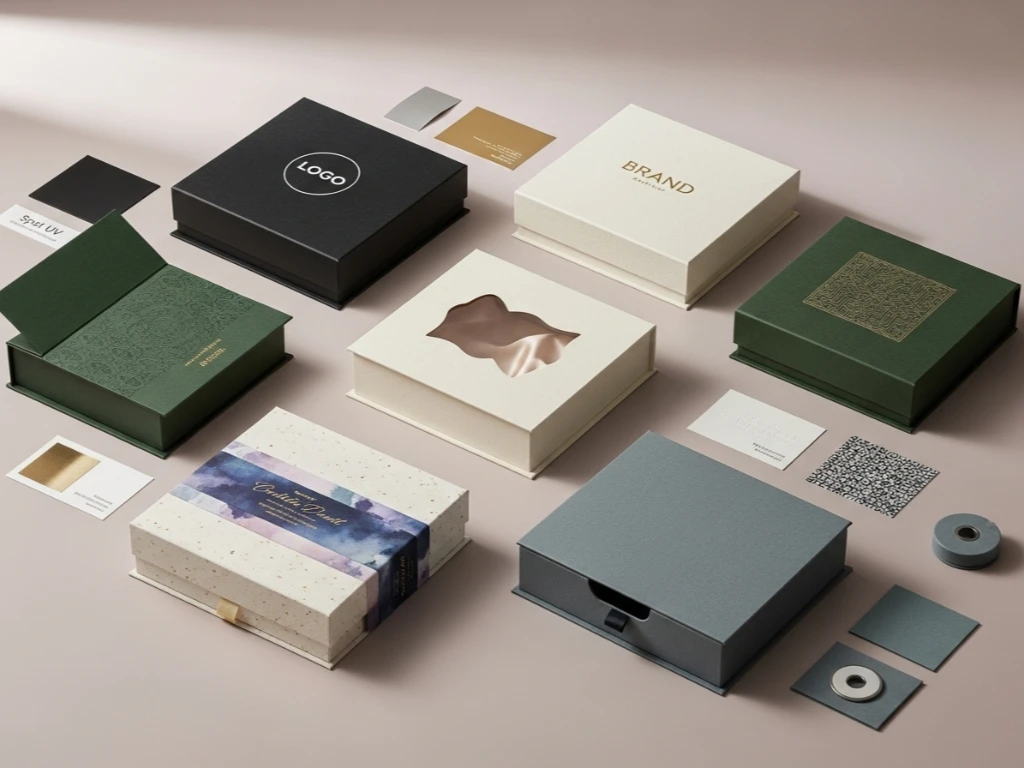
The wrap is the visible material.
- Coated art paper for offset and for a smooth foil base.
- Textured paper when the grain is the point. Foil on a deep texture needs a test. The stamp may not reach the valleys.
- A fabric or leatherette wrap for fashion sets. Thickness changes the turn-in and the lid clearance. Resample the fit when you change the wrap.
Color is a Pantone or a drawdown on that wrap, under a named light. The same number on a different sheet is a different color. Lid and base should be printed in a way that lets you match them. If they are printed weeks apart, a retained sheet from the lid run has to sit next to the base run.
Interior color is a choice: the greyboard's own face, a tinted liner, or a printed sheet. Unspecified, you get grey.
Parcel, counter, and reuse
A two-piece box on a counter is already in its finished shape. A two-piece box in a parcel is an item that can separate. It needs a mailer or a master carton sized close to the lid, or a paper band around the lid, so the lid cannot walk.
The board does not cushion a drop. Glass still needs the insert. The flute, if you need one, is the outer mailer, commonly E flute for a printed mailer and B flute when the set is heavier.
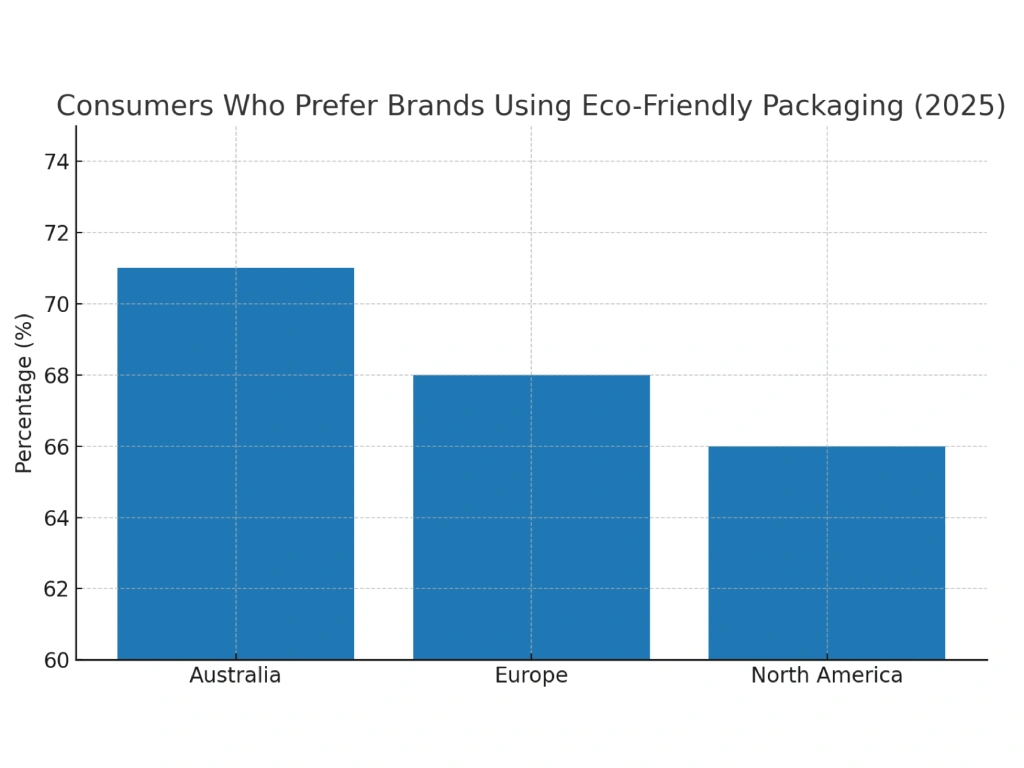
People keep these boxes when the lid still fits after the product is in use. That is the reuse you can stand behind. A magnet, a metalized foil, and a full film laminate are still in the recycling note. FSC paper is available on request. It is not the default on the wrap. Any declaration of conformity follows the brand's spec.
What to ask the plant
Before a purchase order:
- Caliper of lid and base, wrap grade, and the fit they will hold.
- A white sample you can open and close, before plates are made.
- Who owns the greyboard die and the wrap die, and where they are stored for the reorder.
- Finish list with positions: foil, emboss, spot UV, magnet. Magnets set into the board, not stuck on under the wrap as an afterthought.
- The shipper. Inner size of the mailer, and whether the lid is banded.
Guangzhou Tendlyn Trading Co., Ltd. has made two-piece boxes and the rest of its paper range since 2009, in its own plants in Foshan and Zhanjiang. That range is folding cartons, mailer boxes, rigid boxes, paper bags, and paper tubes. MOQ is 100. Tools and make-ready are part of a first order. A reorder of the same dies is a different conversation. The quote is written after structure, board, print, and quantity are known.
A structural sample can be checked before print. Send the product, or a dummy of the same size, so the cavity is cut for the real shoulder and cap.
info@axwp.com, +86 158 1238 1273, WeChat trimgem.
