Corrugated board is used because a fluted medium holds two liners apart. The panel becomes a light beam: it stacks, it takes a knock, and it still ships flat. That is the reason it is the default shipper, and the reason a printed mailer can be the same material as a brown case.
It is the wrong board when you need a light folding carton with fine type, or a wrapped rigid lid that stays in someone's hand. Those are solid board and greyboard. The flute is for the route.
What the sheet is
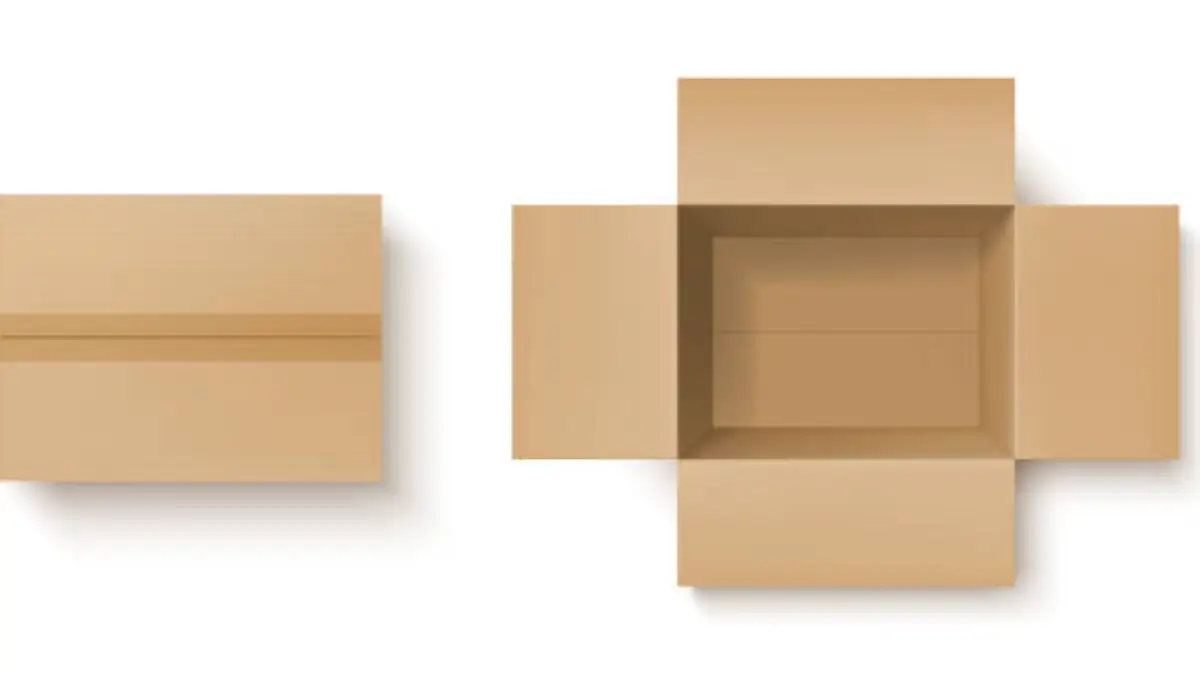
Liner, flute, liner. The medium is steamed, formed on corrugating rolls, and bonded with starch at the flute tips. A second liner goes on at the double-backer. The corrugator then slits, scores, and cuts sheets.
Single wall is one flute. Double wall is two. Triple wall is three, for dense goods. After that, converting prints, die-cuts or slots, and joins the blank with glue, tape, or stitches. Most of these boxes leave the plant flat. The customer erects them.
A regular slotted case is the fast, square shipper. A die-cut mailer, a tray, or a retail-ready case is the same board with a different knife. The knife and the flute have to be specified together. A crease cut for the wrong caliper cracks the liner or leaves a round corner.
Freight, damage, and make-ready
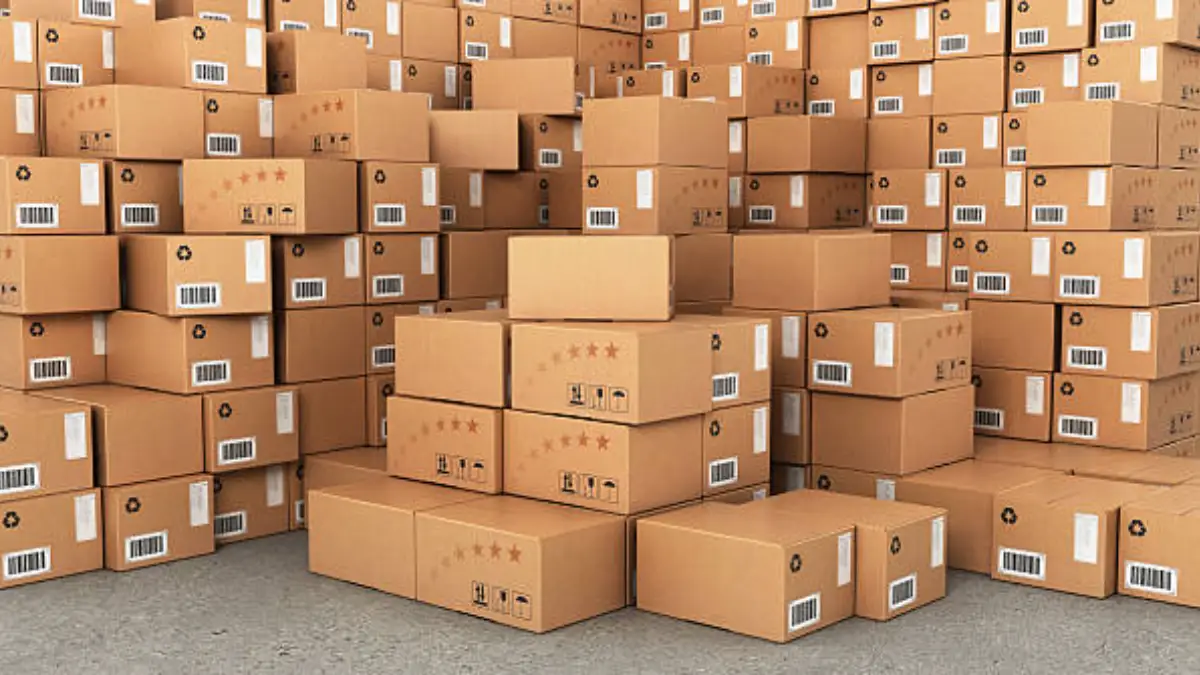
The cost sits in liner weight, flute, print, and whether you are buying a stock slot or a new die. There is no fixed percentage you can take off a freight bill by "switching to corrugated." You can see the drivers.
- The board is light for the compression it gives, so the shipper is not a wooden crate and not a solid plank of paper. A heavier liner resists puncture. It also adds weight you pay to move.
- Blanks ship and store flat. The cube you pay for is paper, not air, until the box is erected.
- A stock slotted size avoids a die. A mailer, a window, or a handle does not. Make-ready and the die are on the first order.
- The flute that matches the fill reduces crushed product. The flute that is too light, or a box with a large empty void, does not. An insert is often the cheaper fix than another wall of board.
- A barcode and a regular size are what let a case run through a warehouse. The board does not integrate itself with anything. The spec does.
A quote is written after the structure, the board, the print, and the quantity are known. Guangzhou Tendlyn Trading Co., Ltd. has made paper packaging since 2009 in its own plants in Foshan and Zhanjiang. Mailer boxes are in the range, with folding cartons, rigid boxes, paper bags, and paper tubes. MOQ is 100.
Recycling and fiber

Old corrugated containers are a normal recovered grade. Starch adhesive does not block that. Wet bales, wax, extruded film, and heavy plastic windows do. An aqueous coating on a kraft mailer is a different end-of-life from a waxed wet-produce box. Write the recycling line for the coatings you actually ordered.
Many liners already contain recovered fiber. If you need a chain-of-custody claim, FSC paper is available on request, and the claim on the box should be the claim on the invoice.
Food contact is separate from "it is paper." A case around a sealed pouch is packaging. A board whose liner touches food, including many bakery and pizza uses, needs liner, ink, and adhesive named for that contact. Heat resistance and grease resistance are coating specs. They are why a pizza leaves in corrugated rather than in a thin folding carton that wicks oil. They are not automatic on every C flute. The declaration of conformity follows the brand's spec.
European packs are being written against PPWR. A recyclability sentence on the case should match the construction you will still be selling when that file is audited.
Print and the retail face
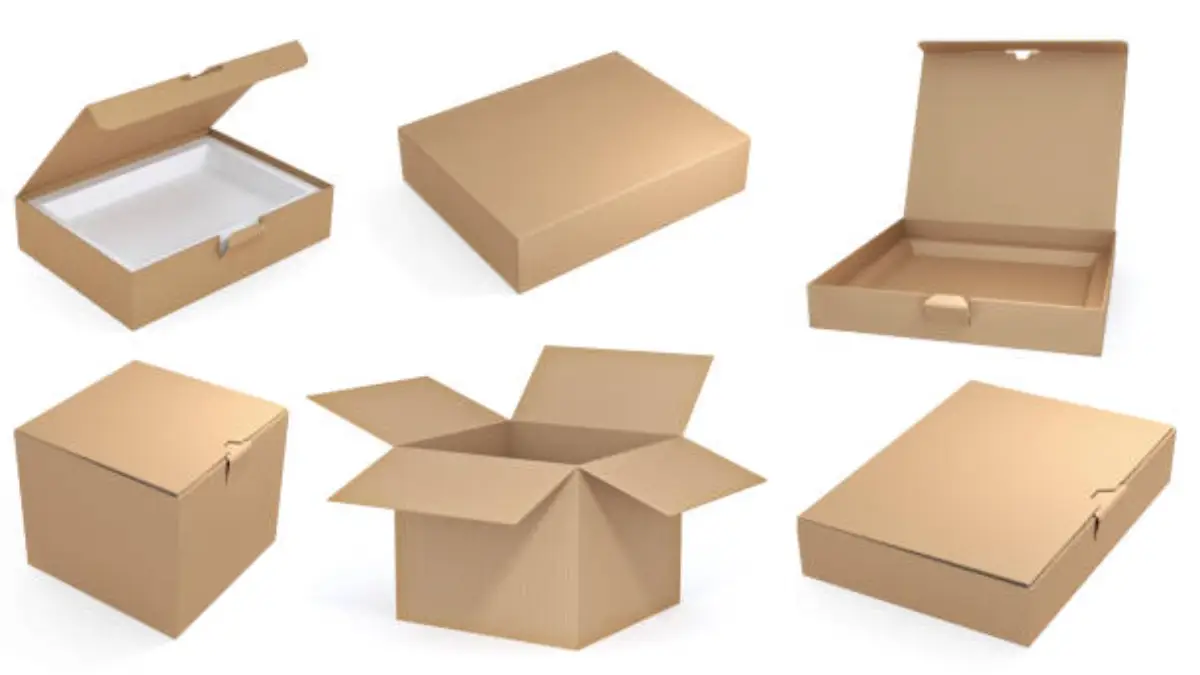
Flexo on the liner carries shipping marks, a one-color panel, and a simple mailer graphic. Fine type and a photograph want E or F flute, a better flexo, or a litho sheet laminated to the flute. Foil and emboss are possible on some of those paths and irrelevant on a brown shipping case. Spec the process with the art.
Structural extras are cuts: a window, a handle, a tear strip for a retail-ready case, an insert that holds the product off the wall. Each cut is a place the compression can drop. Look at a filled, erected sample before you add a third window because the dieline looked empty.
Tamper evidence is a tape or a seal you specify, placed where it has to break. A printed "sealed" line is ink.
Flute and wall
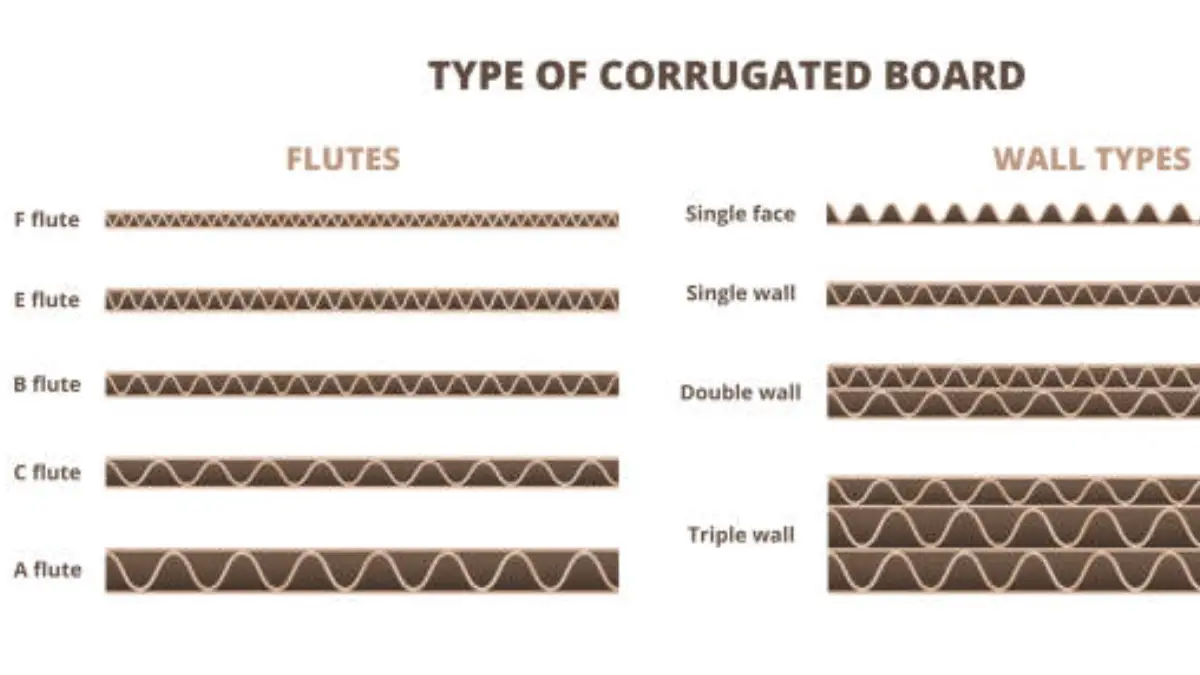
| Flute | About | Use |
|---|---|---|
| A | 4.5–5 mm | Tall wave, more cushion. Uncommon on new retail print. |
| C | About 4 mm | The usual shipping flute. |
| B | About 3 mm | Tighter arches, better flat crush, a flatter print face. Cases, trays, heavier mailers. |
| E | About 1.5 mm | Printed mailers and retail cartons. |
| F | Under 1 mm | Small cartons and sleeves with fine type. |
A cushions. B holds a stack better than A. E prints. Combining them is what double wall is for: an E or B face with a C flute behind it when you need print and a long route in one blank.
| Job | A reasonable starting spec |
|---|---|
| Printed mailer, light fill | E flute, single wall |
| Heavier mailer or a rough route | B flute, or double wall if the test says so |
| Dry food case around a pouch | Single wall, food-contact only if the liner touches food |
| Bakery or pizza, liner toward the food | The grease and food-contact sheet, not a generic shipper |
| Small device | Insert, then E or B, inside a master case if the channel stacks |
| Dense part | Double or triple wall, with a compression figure |
Hazardous goods, when the regulation applies, take a tested UN specification pack. A thicker flute is not that file.
What to put on the drawing
Write the inside size, the flute, the wall count, the liner if you care which one, the print process, and the closure. Add the test you need on a filled pack if the channel asks for one. Add the coating if there is moisture, grease, or a recycling sentence.
Leave the board alone where a plain slotted case is enough. Spend the die and the flute where the product is getting crushed or the customer is seeing the box. That is the whole choice.
info@axwp.com, +86 158 1238 1273, WeChat trimgem.
